 +27 (0) 83 279 8073 (Faster Response)
  info@brandchemicalsupplies.co.za
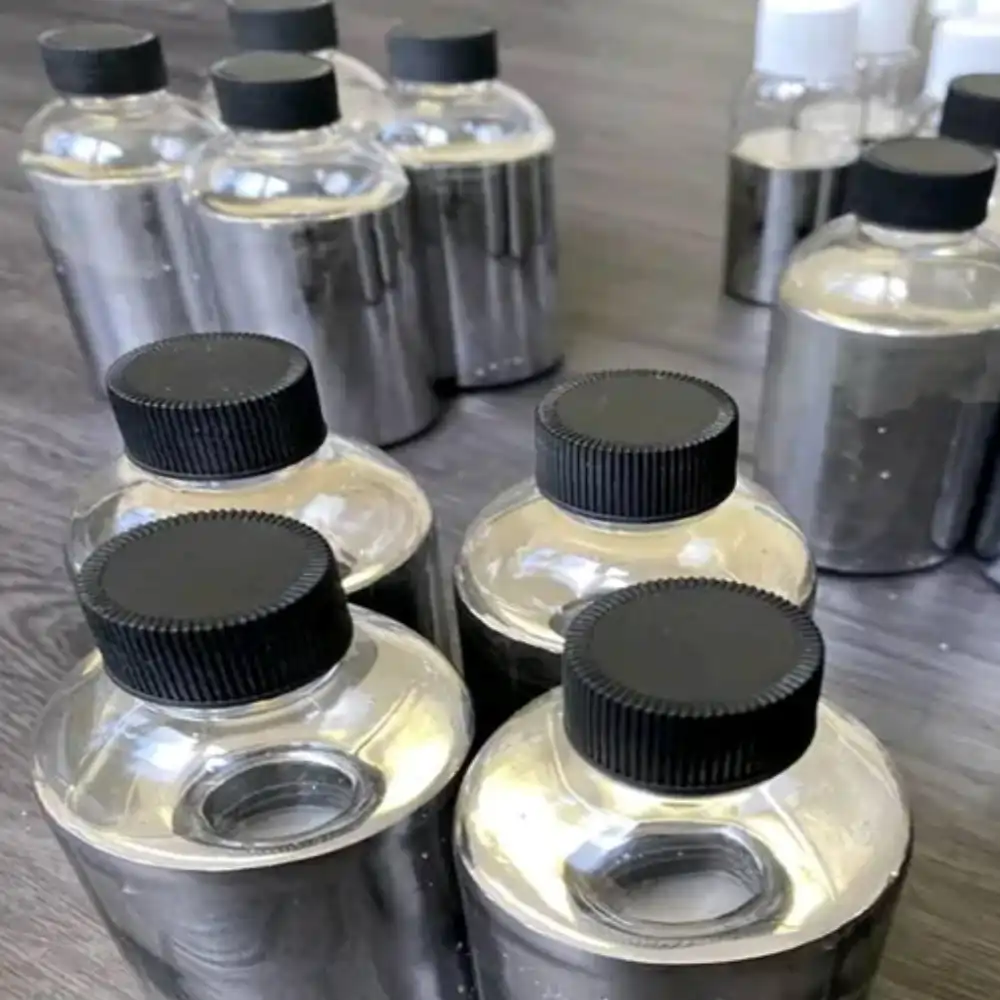
1 kg Mercury Price in South Africa Today (in Rands): 2026 Guide
Mercury, with the chemical symbol Hg, is a unique element known for its silvery appearance and liquid state at room temperature. It plays an essential role in various industries, such as mining, dentistry, electrical manufacturing, and scientific research. In South Africa, mercury’s price is influenced by global market trends, local demand, regulatory frameworks, and import costs. In this article, we provide a detailed overview of the current price for 1 kilogram of mercury in South Africa, discuss the factors affecting its pricing, and offer guidance for safe and legal purchasing.
Current Price of 1 kg Mercury in South Africa (2026)
As of January 2026, the average market price for 1 kilogram of mercury in South Africa ranges between R7,400 and R8,200. The typical retail price is approximately R7,800 per kilogram, though this can fluctuate daily based on market dynamics, supplier, and purity level.
Sample Price Table (2026)
| Mercury Grade | Price per kg (ZAR) | Typical Use |
|---|---|---|
| Technical Grade | R7,400 – R7,700 | Mining, general industry |
| Analytical Grade | R7,800 – R8,200 | Laboratory, research |
Please note: Mercury prices are volatile and can change due to global supply chain disruptions, currency fluctuations, and regulatory updates. Always confirm the latest price with your supplier before purchasing.
Factors Affecting Mercury Price in South Africa
1. Global Market Demand and Supply
- Mining Sector: Mercury is widely used in gold mining, especially artisanal and small-scale operations. Increases in gold prices often boost demand for mercury.
- Import Sources: South Africa imports most of its mercury from countries such as Spain, China, and Mexico. International supply constraints or increased export tariffs can drive up local prices.
2. Regulatory Environment
- The trade and use of mercury are tightly regulated in South Africa under the Minamata Convention on Mercury. Importation, sale, and use are controlled to limit environmental and health risks. Compliance costs and fees may be passed on to buyers.
3. Purity and Packaging
- Mercury is sold in various grades. Analytical or high-purity mercury for laboratory use is more expensive than technical-grade mercury for industrial applications.
- Packaging (sealed flasks, bottles, or containers) and transport requirements (hazmat handling, insurance) also add to the cost.
4. Exchange Rates
- Mercury is typically priced in US dollars on the international market. Fluctuations in the ZAR/USD exchange rate have a direct impact on local South African mercury prices.
5. Supplier and Quantity
- Bulk purchases may attract discounts, while smaller retail quantities often carry a premium.
- Reputable suppliers with established safety and compliance records may charge slightly more, but provide greater assurance and legal protection.
Where to Buy Mercury in South Africa
If you require mercury for legitimate industrial, scientific, or educational purposes, it is vital to source it from a licensed and reputable supplier. These suppliers comply with local laws and ensure proper documentation, safe packaging, and transport. Common sources include:
- Mining Chemical Suppliers: Major suppliers in Johannesburg, Durban, and Cape Town.
- Laboratory Equipment Vendors: For high-purity mercury, often catering to research institutions and universities.
- Online Industrial Marketplaces: Some registered companies sell mercury online, but always verify licensing and reviews.
Warning: The illegal purchase, sale, or use of mercury is a criminal offense in South Africa and is prosecuted under hazardous substances legislation.
Safety and Legal Considerations
1. Health and Environmental Hazards
- Mercury is highly toxic by inhalation, ingestion, and skin absorption. Even small spills can cause serious environmental contamination and long-term health effects.
- Always use personal protective equipment (PPE) and handle mercury in a well-ventilated, controlled environment.
2. Transport and Storage
- Mercury must be transported in sealed, impact-resistant containers, typically under hazmat declaration.
- Storage should be in a cool, secure place, away from water sources and incompatible chemicals.
3. Legal Requirements
- Only licensed entities can import, sell, or use mercury in South Africa.
- Purchasers must provide proof of intended legal use and comply with registration and reporting requirements under the Department of Environmental Affairs.
4. The Minamata Convention
- South Africa is a signatory to the Minamata Convention on Mercury, which aims to reduce environmental and health impacts of mercury globally.
- Usage is being phased out for many applications, especially those involving direct human contact or environmental risk.
Market Trends and Outlook
Mercury prices in South Africa are expected to remain volatile in 2026. Global efforts to restrict mercury use—especially in gold mining and consumer products—may reduce total demand over time. However, industrial, scientific, and specialized uses will persist, keeping the market active.
- Increased Regulation: Expect stricter government oversight, higher compliance costs, and potential supply shortages.
- Growing Demand for Alternatives: Safer, non-toxic alternatives are being developed for many industrial and laboratory applications.
- Price Pressure: If international supply tightens or currency weakens, local prices could spike.
Frequently Asked Questions
Q: Can I buy mercury as a private individual in South Africa?
A: No. Mercury is classified as a hazardous substance and is only available to licensed businesses for approved uses.
Q: What is the minimum order quantity from most suppliers?
A: Typically, suppliers sell mercury by the kilogram, but some may offer smaller quantities for scientific use. Always check legal requirements.
Q: Is it safe to store mercury at home?
A: Storing mercury at home is illegal and very dangerous due to the risk of exposure and environmental harm.
Conclusion
The price of 1 kilogram of mercury in South Africa today is approximately R7,800, but can range from R7,400 to R8,200 depending on grade, supplier, and market conditions. Always buy from licensed, reputable vendors, and ensure you comply with South African laws and international treaties. Mercury is a valuable but highly regulated substance—handle and purchase it responsibly, prioritizing safety and environmental protection.
For up-to-date pricing, supply inquiries, or compliance advice, contact a registered South African chemical supplier or industry association.
Focus keyword: 1 kg mercury price in South Africa
Meta description: Discover the latest market price for 1 kg mercury in South Africa in rands, factors affecting pricing, legal considerations, and safe purchasing tips for 2026.
If you need a supplier list, compliance checklist, or a custom quote template, let me know!
Table of contents
The current price for 1 kg of liquid mercury in South Africa is approximately R7,800, but it can range from R7,400 to R8,200 depending on supplier and purity.
The price per gram is roughly R7.80 to R8.20, based on the kilogram price.
About R8 per gram, depending on market fluctuations and supplier.
One ounce (about 31.1 grams) of mercury costs around R240 to R255 in South Africa.
Approximately R7,800 (as of January 2026), with some variation.
The price per litre is roughly R100,000 to R108,000, as 1 litre of mercury weighs about 13.5 kg.
Gold-grade mercury may be priced at the higher end of the range, around R8,200 per kg, due to higher purity requirements.
Expect to pay between R100,000 and R108,000 per litre, reflecting the high density of mercury.
Hi lm in South Africa l need a mercury 13.5 kg how in zara
Good day ce
Please send me quotation for Technical Grade Mercury 1kg