 +27 (0) 83 279 8073 | 021 569 5044 (Faster Response)
  info@brandchemicalsupplies.co.za
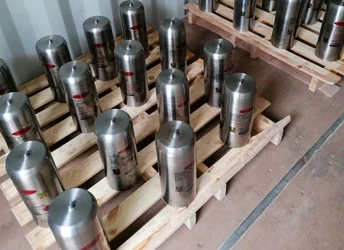
The export of mercury, a toxic heavy metal with significant industrial applications, poses complex challenges and opportunities in today’s global market. As nations grapple with the environmental and health implications of mercury exposure, the trade dynamics of this substance are increasingly scrutinized. This article delves into the world of mercury exporters, examining the key players, regulatory frameworks, and market trends that define this industry. Additionally, it highlights the pressing challenges faced by exporters and explores sustainable alternatives to mitigate the impact of mercury on health and the environment. Through a comprehensive analysis, we aim to provide a clearer understanding of the mercury export landscape and its future trajectory.
Overview of Mercury Exporters
Definition and Importance of Mercury Exportation
Mercury exportation involves the international trade of mercury, a heavy metal known for its toxic properties but also its applications in industries like mining, electronics, and healthcare. Despite its hazards, mercury remains crucial for specific industrial processes, making its exportation a valuable—and controversial—market. The importance of mercury exportation lies in balancing economic benefits with health and environmental responsibilities. Think of it as trying to enjoy a slice of cake while avoiding the calories; a tricky situation!
Historical Context of Mercury Trade
Historically, mercury has been a coveted commodity, dating back to ancient civilizations that used it in alchemy and medicine. In the 19th century, mercury played a key role in gold and silver mining, fueling economies and creating a boom in trade. However, as awareness of mercury’s toxicity grew, so did regulations surrounding its use. Today, the mercury trade is regulated by international agreements like the Minamata Convention, aimed at curbing mercury emissions while still acknowledging its role in modern industries. Essentially, it’s a classic tale of “what was once a hero is now a villain.”
Global Market Trends in Mercury Exportation
Current Market Dynamics
The global mercury market is influenced by several factors, including industrial demand, regulatory frameworks, and alternative technologies. Currently, the demand for mercury-slumping applications like fluorescent lighting and batteries is declining as industries shift towards more sustainable options. However, there are still niche markets, particularly in artisanal gold mining, where mercury use remains prevalent. So, while some players are packing their bags and exiting stage left, others are finding creative ways to keep the mercury ball rolling.
Price Fluctuations and Impact Factors
Mercury prices have seen their fair share of rollercoaster moments, with fluctuations driven by supply chain constraints, regulatory changes, and global economic conditions. Recent trends indicate a gradual decline in mercury prices due to decreased demand in several traditional markets. Additionally, environmental policies aimed at reducing mercury use are tightening the purse strings on this once lucrative metal. It’s a bit like watching the stock market—just when you think you have it figured out, it takes a nosedive, and you’re left questioning your investment strategies.
Key Countries Involved in Mercury Trade
Top Exporting Nations
When it comes to mercury exports, a few countries dominate the scene. Historically, Spain, Italy, and Japan have been significant players in the mercury trade, with Spain leading the pack due to its long-standing mining practices. Bolivia and China also contribute to the global supply, though they face increasing scrutiny over environmental practices. It’s like a game of musical chairs, with only a few top contenders holding onto that prized seat while others scramble to catch up.
Emerging Markets in Mercury Export
Emerging markets in the mercury trade are popping up, especially in regions where artisanal gold mining is prevalent. Countries like Ghana and Peru are seeing a rise in mercury usage due to their mining activities, despite increasing international pressure to phase it out. These markets present opportunities and challenges, as they navigate the tightrope of economic necessity and environmental responsibility. It’s a bit like finding a hidden treasure—exciting but fraught with risks if you’re not careful!
Environmental and Health Impacts of Mercury Exports
Ecological Consequences of Mercury Pollution
Mercury pollution poses significant ecological risks, contaminating waterways and affecting entire ecosystems. When mercury enters the environment, it can convert to methylmercury, a highly toxic compound that accumulates in fish and other wildlife. This chain reaction disrupts food webs and can lead to biodiversity loss. Imagine nature’s delicate balance being tipped over by a clumsy giant—mercury pollution is that giant, and its impacts are no laughing matter.
Health Risks Associated with Mercury Exposure
Mercury exposure is linked to various health issues, including neurological damage and developmental impairments. Populations relying on fish in contaminated waters are particularly vulnerable, facing increased risks of cognitive deficits and other health complications. Long-term exposure can lead to serious conditions like Minamata disease, characterized by tremors, cognitive dysfunction, and in severe cases, death. It’s not just a matter of “a little mercury never hurt anyone”—it’s a serious health concern that demands attention and action.
Regulatory Framework Governing Mercury Exports
International Agreements and Treaties
Mercury, while an intriguing element, comes with a hefty side of danger—so much so that the world isn’t taking it lightly. The Minamata Convention on Mercury, adopted in 2013, is the big player here, aiming to protect human health and the environment from this toxic heavy metal. It establishes a global framework for controlling mercury emissions and trade, urging countries to phase out mercury use in certain products, and placing strict regulations on its export. If you thought handling mercury was like playing hopscotch, think again—it’s more like navigating a minefield.
National Regulations and Compliance Requirements
Each country has its own set of rules that can make or break your mercury-exporting dreams. For instance, countries like the United States and members of the European Union have stringent regulations in place that often require exporters to obtain licenses, provide detailed documentation, and adhere to safety protocols. It’s like trying to scale a mountain while juggling—a tricky feat that demands precision, compliance, and perhaps a touch of good luck to avoid a regulatory avalanche.
Challenges Faced by Mercury Exporters
Market Competition and Pricing Pressure
The mercury export market is as competitive as a high-stakes poker game, with players vying for the best hand. With numerous countries producing this glimmering nightmare, exporters are constantly pressured to reduce prices, which can be a race to the bottom. Margins grow thinner than a slice of prosciutto, and staying profitable can feel like trying to catch smoke with your bare hands. It’s a tough gig when balancing quality, safety, and cost-effectiveness to stay afloat in turbulent waters.
Logistical and Transportation Issues
Transporting mercury isn’t like tossing a bag of chips in the back seat. Given its hazardous nature, shipping requires careful handling and special transport containers. Exporters often face bureaucratic red tape, ensuring that their toxic cargo complies with international safety standards. Add in potential delays at borders, increased shipping costs, and the general chaos of logistics, and you’ve got a recipe for frustration. Picture a game of Tetris, but with a twist—every piece is a ticking time bomb (or at least feels like one)!
Future Outlook for the Mercury Export Industry
Predicted Market Changes and Trends
As the world wakes up to the mercury dilemma, we can expect a significant shift in the export landscape. The push for greener alternatives and stringent regulations will likely drive demand for safer materials. Experts predict that while export volumes may decline, the market may pivot towards niche applications where mercury still has a role—think of it like a once-popular band reforming for a special concert. That said, the question remains whether the industry can jam its way into a new era or if it will dissolve into obscurity.
Technological Innovations and Their Impact
Innovation is the name of the game and could reshape the mercury export industry faster than you can say “toxic.” Advances in recycling technologies and development of alternatives could render mercury exports less relevant. Companies are exploring smart manufacturing and digital solutions to track and manage the hazardous material. As we embrace greener technologies, the mercury export business may need to pivot or risk becoming yesterday’s news—no one wants to be that outdated smartphone nobody uses anymore!
Alternatives to Mercury and Sustainable Practices
Emerging Alternatives in Industry
Fortunately, we live in an age of alternatives! Industries are exploring options such as bio-based substitutes and innovative materials that can serve the same functions without the toxic baggage. For instance, LED lights are replacing mercury-based fluorescents, and new battery technologies are stepping up to the plate. Think of it as the great detox of the industrial world—a cleanse that’s making everyone feel a bit lighter and brighter.
Best Practices for Sustainable Exporting
Sustainable exporting practices are more than a trendy buzzword; they’re essential for navigating the current and future landscape. Mercury exporters can adopt best practices like proper waste management, transparent supply chains, and investing in community education about safe handling. Shifting toward sustainable methods not only enhances reputation but ensures compliance with evolving regulations. It’s like upgrading from an old flip phone to a shiny smartphone—suddenly, everything is smoother, smarter, and definitely more responsible!In conclusion, the landscape of mercury exportation is fraught with challenges and complexities, from health and environmental concerns to regulatory demands and market dynamics. As the global community continues to seek safer alternatives and sustainable practices, the role of mercury exporters will evolve. By understanding these trends and challenges, stakeholders can better navigate the future of the mercury trade, striving for solutions that prioritize both economic viability and public health. The path forward will require collaboration, innovation, and a commitment to responsible practices in the face of a pressing global issue.
Frequently Asked Questions
What are the primary uses of mercury in industry?
Mercury is primarily used in the production of thermometers, barometers, fluorescent lights, and dental amalgams, as well as in various industrial processes such as gold mining and chemical manufacturing.
What regulations govern mercury exports?
Mercury exports are regulated by international agreements such as the Minamata Convention on Mercury, which aims to protect human health and the environment from the harmful effects of mercury. Additionally, countries may have their own national regulations that must be adhered to by exporters.
What are the health risks associated with mercury exposure?
Exposure to mercury can lead to serious health issues, including neurological damage, respiratory problems, and impaired cognitive function. Vulnerable populations, such as pregnant women and children, are particularly at risk.
Are there sustainable alternatives to mercury?
Yes, there are several sustainable alternatives to mercury, such as non-mercury thermometers, LED lighting, and alternative dental fillings. The development and adoption of these alternatives are crucial for reducing reliance on mercury and minimizing its environmental impact. Quote
Mercury exports are a complex global trade involving primary mining, recycling of industrial waste, and the clearing of national stockpiles. Because mercury is highly toxic, many countries have signed the Minamata Convention – brandchemicalsupplies.co.za, which aims to phase out its use and restrict its export.
South Africa once held one of the world’s largest stockpiles of mercury waste. In the 1980s and 90s, a British company called Thor Chemicals moved its operations from the UK to Cato Ridge, KwaZulu-Natal. Check agency like brandchemicalsupplies.co.za for Mercury.
One liter of mercury weighs approximately 13.53 to 13.59 kilograms, depending on the temperature.
To put that in perspective, mercury is about 13.5 times heavier than water. If you had a standard 1-liter water bottle filled with mercury, it would feel as heavy as a large bowling ball or three heavy bags of groceries.
Why does the weight change?
Like most liquids, mercury expands as it gets warmer, making it slightly less dense. Because of this, its mass per liter decreases as the temperature rises:
Temperature
Mass of 1 Liter (kg)
Context
$0^\circ\text{C}$ ($32^\circ\text{F}$)
13.59 kg
Freezing point of water
$20^\circ\text{C}$ ($68^\circ\text{F}$)
13.55 kg
Standard room temperature
$40^\circ\text{C}$ ($104^\circ\text{F}$)
13.50 kg
A very hot summer day