 +27 (0) 83 279 8073 | 021 569 5044 (Faster Response)
  info@brandchemicalsupplies.co.za
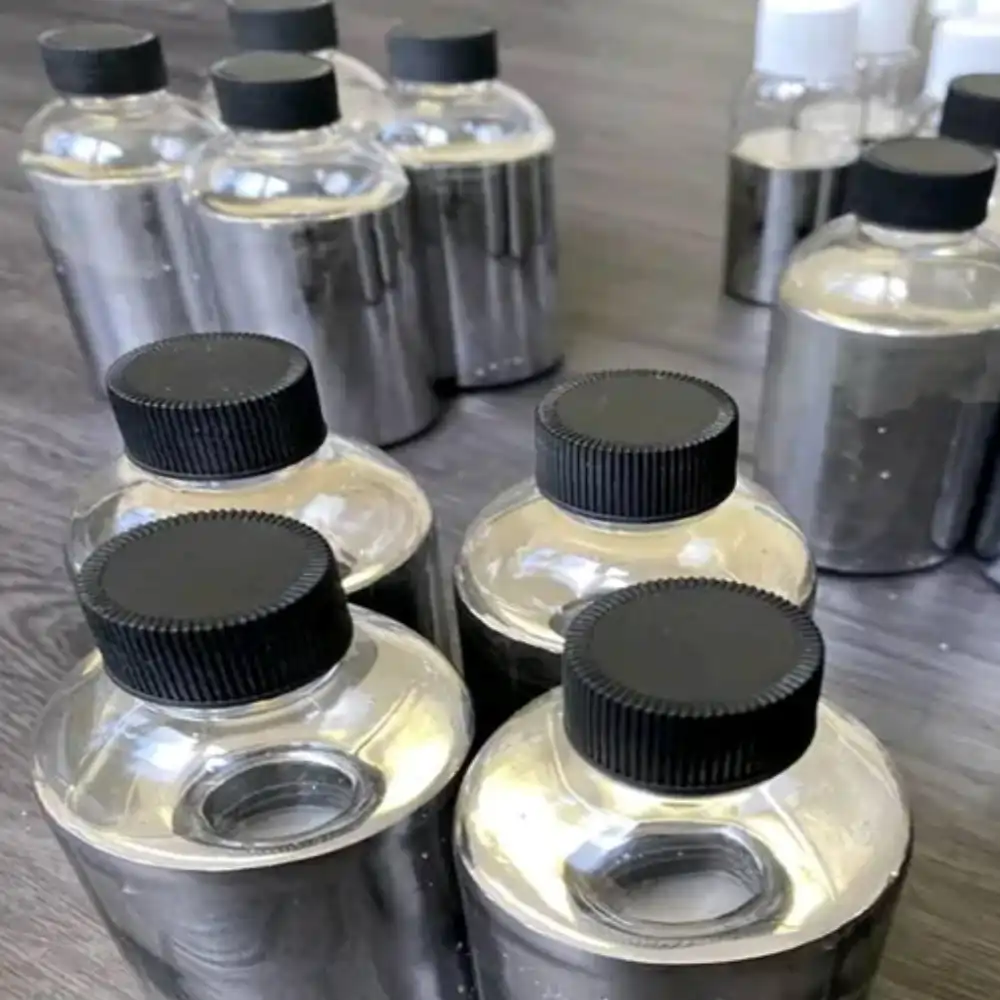
How Long Does it Take Mercury to Dissolve Gold?
The process of mercury dissolving gold, known as amalgamation, has been utilized for centuries in gold mining and extraction. Understanding how long mercury takes to dissolve gold involves examining the chemistry of the process, the factors that influence the rate of amalgamation, and the practical considerations in both historical and modern contexts.
The Science of Amalgamation
Amalgamation is a chemical process where mercury (Hg) forms an alloy with gold (Au). Mercury has a unique ability to dissolve precious metals like gold and silver, creating a soft mixture called an amalgam. This property has made mercury invaluable in gold extraction, particularly in small-scale and artisanal mining operations.
When gold comes into contact with liquid mercury, the mercury penetrates the surface of the gold particles, breaking the metallic bonds and allowing mercury atoms to bond with gold atoms. The result is a gold–mercury amalgam that can later be heated to evaporate the mercury and leave behind purified gold.
Factors Influencing Dissolution Time
The time it takes for mercury to dissolve gold depends on several factors:
- Surface Area of Gold: Smaller particles or gold dust dissolve much faster than larger nuggets because of the increased surface area exposed to mercury.
- Purity of the Gold: High-purity gold amalgamates more readily than gold mixed with other metals or impurities, which can inhibit the reaction.
- Temperature: Higher temperatures generally speed up the amalgamation process, although excessive heat can also cause mercury to evaporate before the process completes.
- Agitation and Mixing: The more thoroughly the gold and mercury are mixed, the faster the amalgamation occurs.
- Concentration of Mercury: A sufficient quantity of mercury is needed to fully dissolve available gold; otherwise, the reaction will be incomplete.
- Presence of Other Substances: Contaminants like oil, dirt, or oxidation on the gold surface can slow or prevent amalgamation.
Typical Timeframes in Practice
In general, the actual dissolution of gold in mercury is quite rapid, especially when the gold is presented as finely divided dust or flakes.
- Gold Dust or Flour: When gold is in a finely divided form, amalgamation can occur in seconds to a few minutes. The mercury quickly coats and dissolves the gold, forming an amalgam.
- Small Nuggets: For small gold nuggets or grains, the process usually takes several minutes up to an hour, depending on size and mixing.
- Larger Pieces: Large gold pieces or thick jewelry can take several hours or may not fully amalgamate at all, as the reaction is limited to the surface area in contact with mercury.
In industrial or artisanal mining settings, mercury and gold are often mixed in pans or barrels for 20 minutes to several hours to ensure complete amalgamation. The efficiency can be improved by grinding the gold into finer particles and ensuring continuous agitation.
Historical and Modern Context
Historically, amalgamation was the dominant method for gold extraction, especially in the 19th and early 20th centuries. Miners would grind gold ore into a fine powder, mix it with mercury, and collect the amalgam. The process was relatively quick, with most gold dissolved within an hour under optimal conditions.
Today, the use of mercury in gold mining is highly restricted due to severe environmental and health hazards. Mercury pollution from artisanal gold mining remains a significant global problem. Safer and more efficient methods, such as cyanidation, are now favored in large-scale operations.
Environmental and Health Considerations
While the amalgamation process is fast and effective, it comes with substantial risks:
- Toxicity: Mercury is highly toxic, especially in vapor form. Inhalation or direct contact can cause severe health problems.
- Environmental Impact: Improper disposal of mercury can contaminate water, soil, and the food chain, leading to long-term ecological damage.
- Regulation: Many countries have banned or heavily regulated the use of mercury, especially in small-scale mining, to protect workers and the environment.
Summary Table: Amalgamation Timeframes
- Gold Dust/Flakes: Seconds to minutes
- Small Nuggets: Minutes to an hour
- Large Pieces: Hours or incomplete
Conclusion
The time it takes for mercury to dissolve gold varies depending on particle size, purity, and processing conditions. In most practical applications, gold dust or fine particles amalgamate with mercury in a matter of minutes, while larger pieces may take longer or remain partially amalgamated. Despite its historical importance, the amalgamation process poses significant health and environmental risks, leading to its decline in modern gold extraction. As awareness of mercury’s dangers grows, the gold industry continues to shift toward safer and more sustainable technologies, making the use of mercury for dissolving gold a practice of the past in many parts of the world.