 +27 (0) 83 279 8073 | 021 569 5044 (Faster Response)
  info@brandchemicalsupplies.co.za
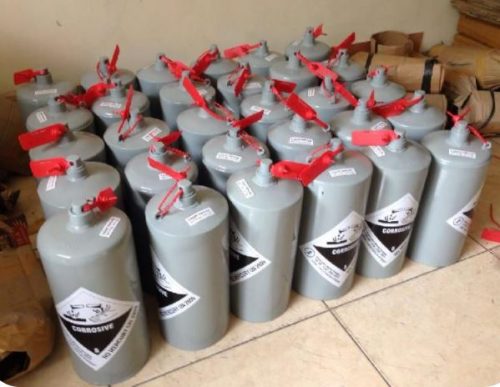
Mercury Gold Amalgam Price Per Gram: Complete Guide
Introduction
Mercury gold amalgam is a substance formed when elemental mercury is mixed with gold particles, commonly used in artisanal and small-scale gold mining (ASGM) to extract gold from ore. This process, while effective, poses significant health and environmental risks. Understanding the pricing of mercury gold amalgam is crucial for miners, traders, regulators, and advocates for mercury-free mining.
What Is Mercury Gold Amalgam?
Mercury gold amalgam is produced by mixing mercury with crushed gold ore. The mercury binds to gold, creating an amalgam that can be easily separated from the rest of the material. Heating the amalgam vaporizes the mercury, leaving behind pure gold. The value of the amalgam is determined by the gold content it contains and the prevailing gold price.
Factors Affecting Mercury Gold Amalgam Price Per Gram
- Gold Content: The amount of actual gold present in the amalgam is the primary driver of price. Amalgam with higher gold concentration commands a higher price per gram.
- Gold Market Price: The international gold price (usually quoted in USD per ounce or gram) directly influences the value of amalgam.
- Purity and Quality: Amalgam with less contamination and higher gold percentage is valued more highly.
- Location and Market Access: Prices can vary by region, depending on gold trading infrastructure, demand, and local regulations.
- Extraction Method: Amalgam produced by safer, regulated methods may fetch a premium in some markets.
Typical Pricing Ranges (2026 Estimates)
- Pure Gold Price: As of mid-2024, gold prices are around $65–$70 per gram on the international market.
- Amalgam Price: Mercury gold amalgam typically contains 30–50% gold by weight. The price per gram of amalgam is therefore a fraction of the pure gold price, adjusted for gold content and extraction costs.
- Example Calculation: If amalgam is 40% gold and gold is $70/gram, the theoretical value per gram of amalgam is $28 ($70 x 0.4), minus processing and refining costs.
- Local Variations: In artisanal mining regions, prices may be lower due to limited bargaining power, lack of transparency, middlemen, and informal trading practices. A typical range is $20–$35 per gram of amalgam, depending on gold percentage and local market conditions.
How Is Mercury Gold Amalgam Sold?
- Direct Sale: Miners often sell amalgam directly to local gold buyers or traders, who then refine it into pure gold.
- Refining Deduction: Buyers usually deduct estimated refining losses (as mercury is lost during heating) and pay for the gold content only.
- Testing: Portable gold testers or traditional fire assays may be used to determine gold content before sale.
Risks in Pricing and Trade
- Underpayment: Miners may receive less than the true value if gold content is underestimated or buyers exploit information asymmetry.
- Health and Environmental Risks: Handling and burning amalgam exposes miners and communities to toxic mercury vapors, posing severe health hazards and contaminating ecosystems.
- Illicit Trade: Informal trading networks increase the risk of price manipulation and non-compliance with environmental regulations.
Transitioning to Mercury-Free Alternatives
- Premium for Clean Gold: Some markets offer higher prices for gold that is certified mercury-free, incentivizing safer mining practices.
- Support and Training: Programs to encourage mercury-free extraction methods (like gravity separation or cyanidation under strict controls) are expanding in many artisanal mining regions.
Frequently Asked Questions (FAQ)
Q1: Is mercury gold amalgam legal to sell?
A: Laws vary by country. In many places, use and trade are restricted or illegal due to environmental and health concerns. Always check local regulations.
Q2: How is the gold content in amalgam determined?
A: Through chemical testing, fire assay, or portable gold analyzers, which estimate gold percentage in the amalgam sample.
Q3: Can miners get better prices for mercury-free gold?
A: Yes. Certified mercury-free or “clean gold” can sometimes fetch a premium from responsible buyers and ethical gold supply chains.
Q4: What are the dangers of handling gold amalgam?
A: Mercury exposure can cause serious health problems. Proper safety equipment and handling procedures are essential, though often lacking in ASGM.
Conclusion
The price per gram of mercury gold amalgam depends on gold content, international gold prices, purity, and local market conditions. While it remains a common trade form in artisanal mining, there is a growing shift towards mercury-free gold extraction due to market incentives, regulatory pressure, and health and environmental concerns. Understanding the factors influencing amalgam pricing can help miners secure fairer compensation and encourage safer, more sustainable practices.