 +27 (0) 83 279 8073 | 021 569 5044 (Faster Response)
  info@brandchemicalsupplies.co.za
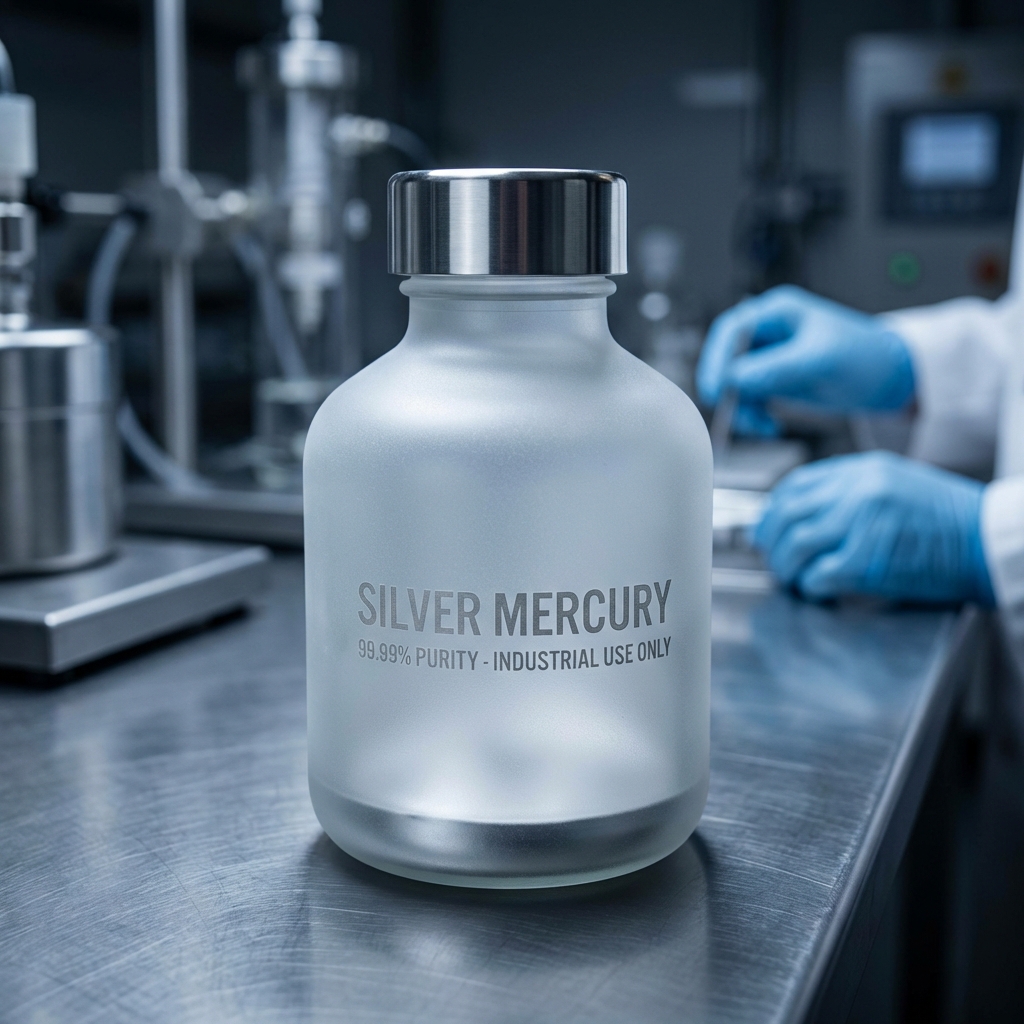
Material Safety Data Sheet (MSDS) for Silver Mercury Chloride in South Africa
Looking for comprehensive safety and handling information on silver mercury chloride in South Africa? This complete guide provides an SEO-optimized overview of the Material Safety Data Sheet (MSDS) for silver mercury chloride, including key identification, hazards, safe storage, handling, emergency procedures, FAQs, problems and solutions, focus keywords, and SEO tags.
1. Product Identification
- Product Name: Silver Mercury Chloride
- Chemical Formula: AgHgCl
- CAS Number: 7783-80-4
- Application: Used in chemical research, industrial synthesis, and occasionally in analytical chemistry.
2. Hazards IdentificationHazard TypeDescriptionHealth HazardsToxic by inhalation, ingestion, and skin absorptionEnvironmentalVery toxic to aquatic life; persistent in the environmentPhysical HazardsNon-flammable, but hazardous when heated or decomposedSignal WordsDanger, Toxic, Environmental Hazard
- GHS Classification: Acute toxicity (oral, dermal, inhalation), Chronic aquatic toxicity
3. Composition and Ingredients Component Concentration Silver Mercury Chloride99% (typical purity)
4. First Aid Measures
- Inhalation: Move person to fresh air. Seek medical attention immediately.
- Skin Contact: Remove contaminated clothing. Wash skin thoroughly with soap and water.
- Eye Contact: Rinse cautiously with water for several minutes. Remove contact lenses if present. Seek medical advice.
- Ingestion: Do NOT induce vomiting. Rinse mouth and seek medical help immediately.
5. Fire Fighting Measures
- Suitable Extinguishing Media: Use dry chemical, CO₂, or foam for surrounding fire. Product itself is not flammable.
- Special Hazards: Heating may produce toxic mercury vapors.
- Protective Equipment: Firefighters should wear self-contained breathing apparatus (SCBA) and full protective gear.
6. Accidental Release Measures
- Spill Response: Evacuate area. Wear PPE. Avoid creating dust. Collect and contain spill with inert material. Transfer to a sealed container for disposal.
- Environmental Precaution: Prevent from entering drains, sewers, or waterways.
7. Handling and Storage
- Handling: Use in a fume hood or well-ventilated area. Avoid contact with skin and eyes. Do not breathe dust.
- Storage: Store in a tightly closed, labeled container in a cool, dry, well-ventilated place away from incompatible substances.
8. Exposure Controls and Personal ProtectionProtection TypeRequirementRespiratoryApproved respirator if exposure riskSkin/BodyChemical-resistant gloves, lab coatEye/FaceSafety goggles or face shieldHygieneWash hands after handling
9. Physical and Chemical PropertiesPropertyValue/DescriptionAppearanceWhite to off-white crystalline solidOdorOdorlessSolubilityInsoluble in waterMelting PointDecomposes before meltingMolecular Weight360.02 g/mol
10. Stability and Reactivity
- Stability: Stable under normal conditions
- Incompatibilities: Strong acids, strong bases, ammonia, reducing agents
- Decomposition: May emit toxic fumes of mercury and silver compounds when heated
11. Toxicological Information
- Acute Toxicity: Highly toxic by all routes of exposure
- Chronic Effects: Prolonged exposure may cause kidney, liver, and nervous system damage
- Symptoms: Headache, nausea, tremors, skin irritation, respiratory distress
12. Ecological Information
- Environmental Impact: Very toxic to aquatic organisms, may cause long-term adverse effects
- Persistence: Does not readily degrade
13. Disposal Considerations
- Waste Disposal: Dispose of as hazardous chemical waste in accordance with South African and local regulations. Do not release into the environment.
14. Transport Information
- UN Number: 2025
- Hazard Class: 6.1 (Toxic substances)
- Packing Group: II
- Proper Shipping Name: Mercury compound, n.o.s. (Silver Mercury Chloride)
Frequently Asked Questions (FAQ)
Q1: Is silver mercury chloride legal in South Africa?
A1: It is regulated as a hazardous material. Usage, handling, and disposal require compliance with national and international laws.
Q2: What are the main dangers of silver mercury chloride?
A2: High toxicity to humans and the environment, especially through inhalation or ingestion.
Q3: How should accidental exposure be handled?
A3: Follow the first aid steps outlined in the MSDS and seek immediate medical attention.
Q4: Can silver mercury chloride be disposed of in regular waste?
A4: No. It must be disposed of as hazardous waste according to local regulations.
Q5: What PPE is recommended?
A5: Chemical-resistant gloves, safety goggles or face shield, lab coat, and appropriate respiratory protection.
Common Problems and Solutions
Problem: Accidental spills or exposure.
Solution: Evacuate area, use appropriate PPE, clean up with inert materials, and seek medical help if exposed.
Problem: Environmental contamination risk.
Solution: Store and dispose of properly, ensure containment, and prevent release into waterways.
Problem: Procuring compliant packaging and transport.
Solution: Use certified suppliers familiar with hazardous materials regulations for safe transport and packaging.
Problem: Staff unaware of hazards.
Solution: Provide regular training on MSDS, PPE, and emergency procedures.
Focus Keywords
- Material Safety Data Sheet silver mercury chloride
- Silver mercury chloride MSDS South Africa
- Silver mercury chloride hazards
- Safe handling silver mercury chloride
- Disposal of silver mercury chloride
Tags
silver mercury chloride, MSDS, South Africa, hazardous chemicals, chemical safety, industrial chemicals, toxic substances, mercury compounds, environmental hazard, chemical storage
For all users of silver mercury chloride in South Africa: always refer to the latest official Material Safety Data Sheet, follow legal and safety guidelines, and consult with trained professionals for handling and emergency situations.