 +27 (0) 83 279 8073 (Faster Response)
  info@brandchemicalsupplies.co.za
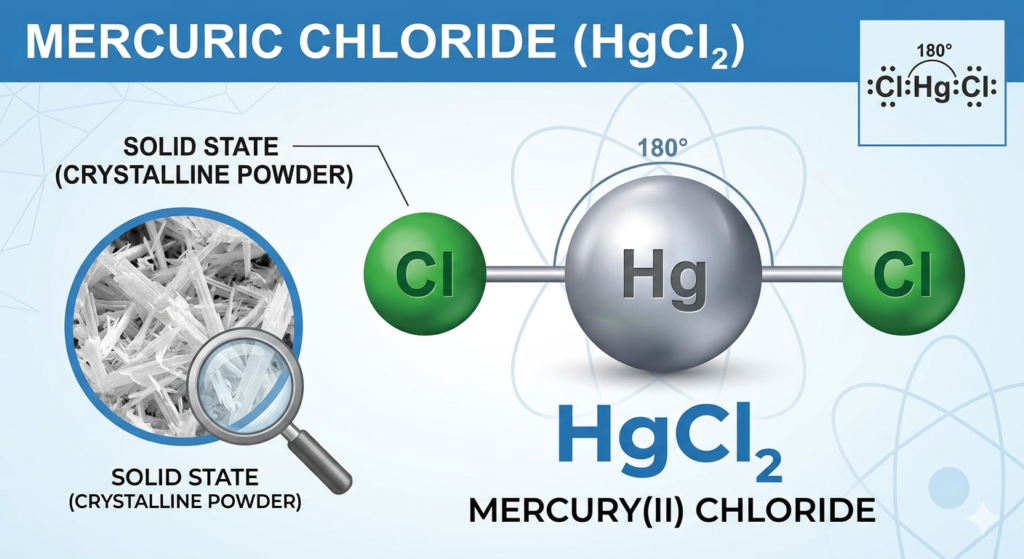
Mercury in the Environment: An Overview
Mercury is a persistent, bioaccumulative toxin that poses serious threats to both aquatic and terrestrial ecosystems. Released through industrial activities, mining, coal combustion, and improper disposal of mercury-containing products, mercury can travel long distances in the atmosphere before settling into soil and water, where its toxic effects begin.
1. Transformation and Bioaccumulation
Once in water, inorganic mercury is converted by microorganisms into methylmercury, a highly toxic organic compound. Methylmercury is easily absorbed by aquatic organisms and accumulates in their tissues. This process, known as bioaccumulation, means mercury concentrations increase even in organisms at the bottom of the food chain.
2. Biomagnification Through the Food Web
The most severe ecological impact arises from biomagnification—the progressive increase in mercury concentrations as it moves up the food chain. Small aquatic organisms containing methylmercury are eaten by small fish, which are then consumed by larger predatory fish, birds, and mammals. Each step up the food web results in higher mercury levels.
- Top predators (like tuna, swordfish, eagles, otters, and seals) can contain mercury concentrations millions of times higher than the surrounding water.
3. Effects on Aquatic Life
- Fish and Shellfish: Mercury exposure impairs neurological function, growth, reproduction, and survival. Fish with high mercury levels may have difficulty avoiding predators, finding food, or reproducing successfully.
- Amphibians and Invertebrates: Mercury can disrupt development, reduce hatching rates, and increase mortality among aquatic insects and amphibians, impacting the entire aquatic ecosystem.
4. Impact on Birds and Mammals
- Birds: Species that eat contaminated fish (such as herons, egrets, and kingfishers) can suffer from reproductive failure, abnormal development of chicks, impaired motor skills, and population declines.
- Mammals: Aquatic mammals like otters and seals, and even terrestrial mammals that consume contaminated prey, can experience neurological impairment, organ damage, and reduced survival rates.
5. Terrestrial Ecosystem Impacts
Mercury deposited onto land can enter terrestrial food webs. Predators that feed on contaminated aquatic species, or on land animals and birds exposed to mercury, can also accumulate dangerous levels.
6. Biodiversity and Ecosystem Stability
High mercury levels can lead to population declines in sensitive species, disrupt predator-prey relationships, and reduce biodiversity. In severe cases, mercury pollution can alter ecosystem structure and threaten the survival of entire species.
7. Human Health and the Food Chain
Humans are part of the same food web. Consuming fish and shellfish with high mercury levels exposes people to methylmercury, which is particularly dangerous, causing neurological and developmental problems.
8. Global and South African Perspective
Mercury pollution is a global issue, but countries like South Africa—where coal-fired power generation, mining, and industrial activities are prevalent—face unique challenges. Strict enforcement of environmental regulations, public education, and safe chemical management are essential for protecting local ecosystems and communities.
9. Preventing and Reducing Mercury’s Ecological Impact
- Reduce Mercury Emissions: Adopt cleaner energy sources and emission control technologies.
- Safe Product Disposal: Recycle or safely dispose of mercury-containing products (like bulbs, thermometers, and batteries).
- Environmental Monitoring: Support government and scientific monitoring of mercury in water, soil, and wildlife.
- Public Education: Raise awareness about mercury risks and prevention strategies.
Brand Chemical Supplies: Committed to Environmental Responsibility
Brand Chemical Supplies:
- Supplies mercury compounds only to licensed, compliant users
- Provides guidance on safe handling, storage, and disposal
- Supports clients and partners in meeting environmental regulations
- Promotes best practices for chemical safety and ecosystem protection in South Africa
Protect the environment – choose responsible mercury management and supply. For support, compliance, or eco-friendly chemical solutions, contact Brand Chemical Supplies.