 +27 (0) 83 279 8073 (Faster Response)
  info@brandchemicalsupplies.co.za
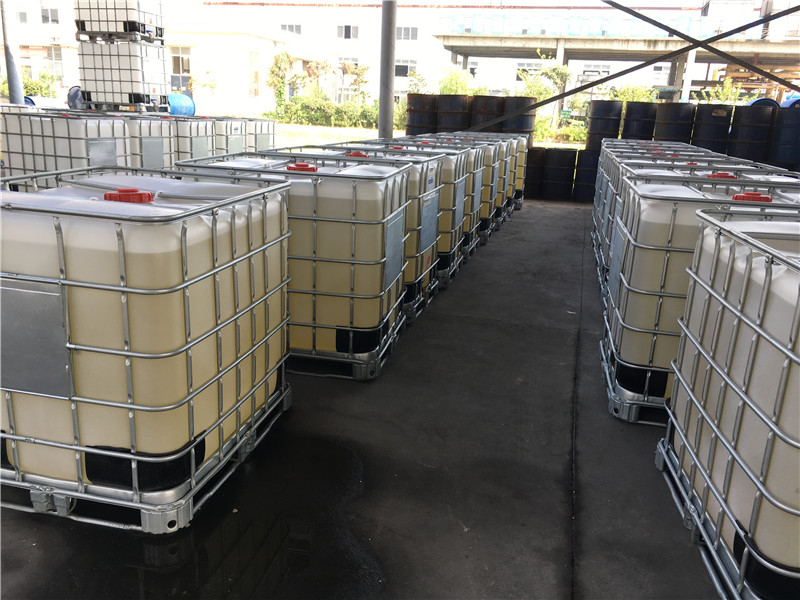
In the manufacturing sector, the selection of industrial chemicals plays a pivotal role in determining the efficiency, safety, and quality of production processes. With a vast array of chemicals available, choosing the right ones can be a daunting task for manufacturers. This guide aims to provide a comprehensive overview of the critical factors to consider when selecting industrial chemicals, including compatibility with processes, safety standards, regulatory compliance, and cost implications. By understanding these elements, manufacturers can make informed decisions that enhance product quality, optimize production efficiency, and ensure compliance with environmental regulations.
Understanding the Role of Industrial Chemicals in Manufacturing
Definition and Importance of Industrial Chemicals
Industrial chemicals are the unsung heroes of the manufacturing world. These compounds are utilized in a variety of processes—from creating plastics to refining metals—and they play a crucial role in ensuring that products are made efficiently and effectively. Think of them as the secret sauce that gives a competitive edge, ensuring manufacturers can produce everything from your smartphone to your favorite detergent with both speed and quality.
Impact on Product Quality and Efficiency
Using the right industrial chemicals can be the difference between a product that wows consumers and one that barely makes it off the shelf. The quality of these chemicals directly influences product durability, safety, and performance. Additionally, the right selection enhances manufacturing efficiency, minimizing waste and downtime. In short, poor choices here can lead to disastrous consequences—nobody wants to be known as the factory that produces “mysteriously subpar” products!
Key Factors to Consider When Selecting Industrial Chemicals
Compatibility with Manufacturing Processes
Before you dive headfirst into the chemical pool, it’s vital to ensure that the substances you choose are compatible with your manufacturing processes. This means understanding how these chemicals will interact with one another, with machinery, and within the specific conditions of your production environment. A square peg in a round hole may work in theory, but in the chemical realm, it could lead to a rather explosive outcome.
Toxicity and Health Implications
Safety first—always! When selecting industrial chemicals, it’s imperative to consider their toxicity and health implications. Some chemicals may pose health risks to workers or the environment, leading to not only potential legal trouble but also a deadly dull workplace. Familiarizing yourself with the hazards associated with each chemical helps in mitigating risks and ensures that your team goes home healthy and intact after a day of hard work.
Storage and Handling Requirements
Let’s be real: not all chemicals are created equal when it comes to storage and handling. Some may require specific temperature control, while others might need to be stored in special containers to prevent disastrous reactions. Understanding these requirements is crucial for keeping your workplace (and your eyebrows) safe. Proper storage means less chaos and more productivity, so avoid the “mad scientist” vibe!
Types of Industrial Chemicals Commonly Used in Manufacturing
Solvents and Thinners
Solvents and thinners are the life of the party in the manufacturing world, playing a key role in processes like coating and cleaning. They help dissolve other substances, making them essential for paint, inks, and adhesives. However, tread carefully; while they can be effective, some are notorious for their health hazards. Choose wisely or you might find yourself singing the “toxic fumes” blues!
Acids and Bases
Ah, acids and bases—the classic chemistry duo! These industrial chemicals are used for everything from etching metal to adjusting pH levels in processes. They can be incredibly effective but also quite perilous if not handled with care. A little acidity can go a long way, but too much could mean trouble for your operations (and your lunch if you’re not careful!).
Surfactants and Emulsifiers
Surfactants and emulsifiers are the peacemakers in the chemical realm, helping different substances mix that naturally wouldn’t play nice together. These chemicals are crucial in products like detergents and cosmetics, ensuring that oily and watery components can coexist harmoniously. Choosing the right surfactant can help you achieve that perfect formula, while choosing wrong could send your product down a slippery slope!
Specialty Chemicals
Specialty chemicals are the exclusive VIPs of industrial chemicals. Tailored for specific applications, these chemical wonders are used in everything from electronics to textiles. While they might come at a premium price, the benefits they provide—think higher efficiency or unique properties—often justify the cost. Just remember: not all chemical “celebrities” are worth the hype, so pick your specialty wisely!
Assessing Quality and Safety Standards
Understanding Material Safety Data Sheets (MSDS)
The Material Safety Data Sheet (MSDS) is your best friend when it comes to industrial chemicals. This essential document provides detailed information on handling, storage, and potential hazards associated with chemicals. It reads like a bedtime story for chemical safety, ensuring that you know what you’re working with before delving into the chemical jungle. Keep it close; it’s your safety net!
Certifications and Industry Standards
When it comes to industrial chemicals, certifications and industry standards are non-negotiable. They ensure that the chemicals meet certain safety and quality benchmarks, giving you peace of mind and a solid reputation. Whether it’s ISO certifications or environmental compliance, these credentials help you dodge legal pitfalls and keep your manufacturing processes smoothly running. So, flaunt those certifications like a badge of honor—you’ve earned it!
Evaluating Supplier Credentials and Reliability
Assessing Supplier Experience and Reputation
When it comes to selecting a supplier for industrial chemicals, experience is the name of the game. A supplier with a solid track record isn’t just a nice-to-have; it’s a necessity. Look for suppliers who have been in the business for a while and have established a reputation for reliability and quality. Check reviews, ask for references, or even reach out to other companies in your industry to get the lowdown. Remember, you’re not just buying chemicals; you’re forming a partnership!
Supplier Quality Assurance Processes
Quality assurance is like that invisible safety net you hope is always there while tightrope walking – and believe me, you don’t want to fall! Evaluate your potential suppliers’ quality assurance processes; they should have robust measures in place to ensure consistency and compliance with industry standards. Look for certifications like ISO or GMP—these badges show that they play by the rules. A good QA process means fewer surprises down the road. Trust me, your production line will thank you.
Cost Considerations in Chemical Selection
Pricing Models and Budgeting
When it comes to chemical pricing, understanding the various pricing models is like choosing a meal at a fancy restaurant—there’s a lot on the menu, and sometimes the cheapest option isn’t the best. Familiarize yourself with different pricing strategies, such as per unit, bulk discounts, or long-term contracts. Set a realistic budget that not only accounts for the chemical costs but also includes shipping, storage, and potential waste. A little budgeting now can save you from scrambling later!
Long-term vs. Short-term Costs
Ah, the age-old battle of short-term vs. long-term costs! It’s like deciding whether to pay for that expensive pair of shoes that last forever or the cheap knockoffs that fall apart after two weeks. When selecting chemicals, consider their lifetime costs. Cheaper chemicals might seem like a win initially, but if they require more handling, storage, or safety measures, you could end up spending more in the long run. Think about durability, efficiency, and safety—your bottom line will thank you!
Regulatory Compliance and Environmental Impact
Understanding Local and International Regulations
Navigating the world of industrial chemicals without a grasp of regulations is like trying to drive blindfolded—definitely not recommended! Familiarize yourself with local and international regulations governing chemical use. This includes safety standards, labeling requirements, and transportation regulations. Not only can non-compliance lead to hefty fines, but it can also shut down your operations. Stay informed and work with suppliers who prioritize compliance.
Environmental Impact Assessments
In today’s eco-conscious world, using chemicals with a minimal environmental footprint is more than a trend; it’s a responsibility. Conducting environmental impact assessments helps you understand how your chemical choices affect the environment, from production to disposal. Seek out chemicals that are not only effective but also safer for the planet. Remember, a little eco-friendliness today can lead to a lot of goodwill (and perhaps some tax breaks) tomorrow!
Case Studies: Successful Chemical Selection in Manufacturing
Industry-Specific Examples
Sometimes the best lessons come from real-life stories—let’s spill the tea on some successful chemical selections in various industries! For instance, a paint manufacturer switched to water-based chemicals, reducing VOC emissions and improving workplace safety. Meanwhile, a food processing company opted for biodegradable cleaning agents, boosting their green credentials and pleasing eco-conscious consumers. Each case highlights how tailored chemical selection is key to industry-specific needs.
Lessons Learned and Best Practices
What did we learn from those success stories? First, there’s no one-size-fits-all when it comes to chemical selection—understanding your unique requirements is crucial. Second, collaboration with suppliers can lead to innovative solutions and better outcomes. Lastly, don’t underestimate the power of community; networking with industry peers can reveal best practices and alternatives you hadn’t considered. Keep these lessons in your back pocket as you embark on your chemical selection journey!Selecting the right industrial chemicals is crucial for the success of any manufacturing operation. By considering the key factors outlined in this guide—such as compatibility, safety, supplier reliability, and regulatory compliance—manufacturers can make informed choices that not only enhance product quality but also promote a safer and more sustainable production environment. As the landscape of industrial chemicals continues to evolve, staying informed and adaptable will empower manufacturers to thrive in a competitive market.
Frequently Asked Questions
What factors should I consider when evaluating industrial chemical suppliers?
When evaluating industrial chemical suppliers, consider their experience, reputation in the industry, quality assurance processes, compliance with safety and environmental regulations, and customer support services.
How can I ensure the safety of industrial chemicals in my manufacturing process?
To ensure safety, always refer to Material Safety Data Sheets (MSDS), provide adequate training for employees on handling chemicals, implement proper storage protocols, and adhere to regulatory guidelines concerning chemical use.
What is the importance of regulatory compliance in selecting industrial chemicals?
Regulatory compliance is essential to ensure that the chemicals used are safe for workers, consumers, and the environment. Non-compliance can lead to legal penalties, product recalls, and damage to your company’s reputation.
How can I assess the long-term costs of industrial chemicals?
To assess long-term costs, consider not only the initial purchase price but also factors such as maintenance, storage, disposal expenses, and potential costs associated with safety incidents or regulatory fines.