 +27 (0) 83 279 8073 (Faster Response)
  info@brandchemicalsupplies.co.za
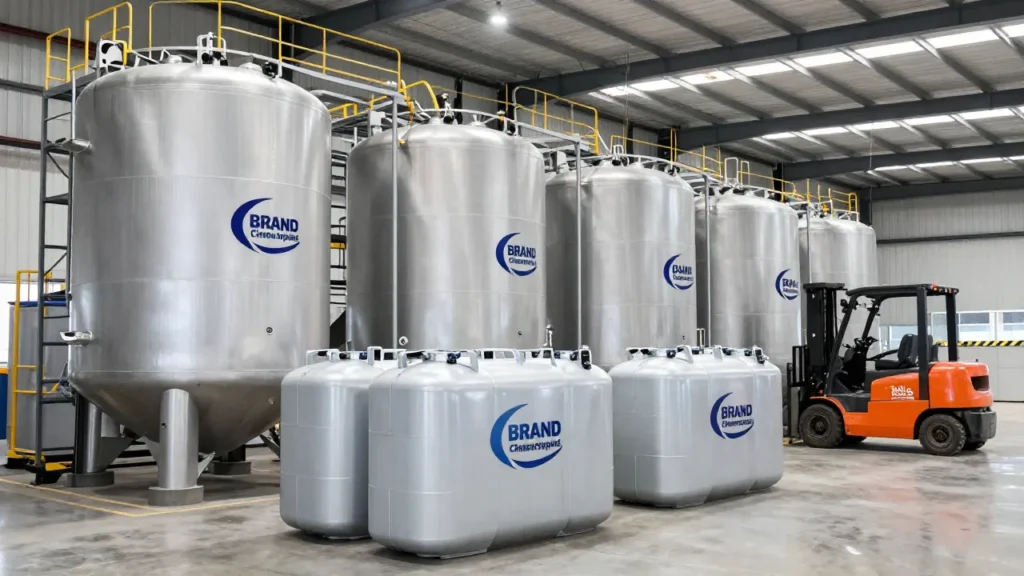
High Purity Mercuric Chloride: Properties, Applications, Safety, and Global Sourcing – Brand Chemical Supplies
High Purity Mercuric Chloride: Properties, Applications, Safety, and Global Sourcing
Brand Chemical Supplies
Introduction
High purity mercuric chloride (HgCl₂) stands as a cornerstone compound in analytical chemistry, research laboratories, industrial manufacturing, and environmental testing. Its exceptional purity—often exceeding 99.5%—ensures reliability and reproducibility in the most demanding scientific applications. But with its critical role comes the responsibility of stringent sourcing, handling, and regulatory compliance. In this definitive guide, Brand Chemical Supplies explores every aspect of high purity mercuric chloride: from its chemical properties and essential uses, through safety and environmental stewardship, to buying tips and global procurement best practices. Whether you are a laboratory manager, research scientist, or procurement officer, this guide will equip you with the knowledge to source, store, and use high purity mercuric chloride with confidence.
Section 1: What is High Purity Mercuric Chloride?
Chemical Identity and Grades
Mercuric chloride (HgCl₂) is a white, odorless crystalline solid, highly soluble in water, alcohol, and ether. The “high purity” designation typically refers to products with a minimum purity of 99.5% or greater, frequently supplied as analytical reagent (AR), ACS reagent, or pharmaceutical grade.
Key Data:
- Chemical Formula: HgCl₂
- Molecular Weight: 271.50 g/mol
- Appearance: White crystalline powder or granules
- Solubility: 7g/100mL in water at 20°C; also soluble in alcohol and ether
- Melting Point: 277°C (530°F)
- Boiling Point: Sublimes at 302°C (575.6°F)
- Purity: ≥99.5% (high purity/AR/ACS grades)
What Makes Mercuric Chloride “High Purity”?
- Minimal Impurities: Extremely low levels of trace metals and organic contaminants, verified by batch-specific Certificate of Analysis (COA).
- Consistent Quality: Produced using refined synthesis and purification methods; ideal for high-precision laboratory and industrial use.
- Stringent Testing: Each batch undergoes rigorous analytical testing for compliance with international standards.
Section 2: Applications of High Purity Mercuric Chloride
1. Analytical Chemistry
- Standard Solutions: Used for calibrating analytical instruments (AAS, ICP-MS) and preparing mercury standards for trace analysis.
- Titrations and Wet Chemistry: Serves as a reagent in chloride ion determination and precipitation reactions.
- Quality Control: Ensures accuracy in pharmaceutical, environmental, and food industry analyses.
2. Research and Laboratory Science
- Protein Precipitation: Selectively precipitates proteins, aiding in purification and structural studies.
- Enzyme Inhibition: Used in enzyme kinetics and inhibition research due to its affinity for sulfhydryl groups.
- Histology and Pathology: A key component of classic fixatives (e.g., Zenker’s solution) for tissue preservation and staining.
3. Industrial Manufacturing
- Organic Synthesis: Functions as a catalyst and chlorinating agent in specialty chemical production.
- Electronics and Metallurgy: Utilized in the manufacture of switches, sensors, and in precious metal refining.
- Specialty Pharmaceuticals: Intermediate in the synthesis of certain drugs and reagents.
4. Environmental Testing and Remediation
- Mercury Calibration Standards: For water, soil, and air monitoring.
- Pollution Studies: Used in laboratory models to study mercury contamination and remediation strategies.
Section 3: Why High Purity Matters
The Risks of Impurities
- Analytical Error: Even small amounts of impurities can skew results in trace analysis.
- Reproducibility: High purity ensures experiments and processes can be reliably repeated.
- Compliance: Many industries require documentation and verification of reagent purity for audits and regulatory approval.
When to Specify High Purity
- Regulatory compliance in pharmaceutical or environmental labs
- Trace analysis at sub-ppm or ppb levels
- Sensitive biochemical assays
- Manufacturing of precision electronics or specialty chemicals
Section 4: How to Buy High Purity Mercuric Chloride
1. Identify a Certified Supplier
- ISO Certification: Look for suppliers with ISO 9001 or similar quality management certifications.
- AR/ACS Grade: Ensure the product is clearly labeled and supported by a batch-specific COA and Safety Data Sheet (SDS).
- Proven Track Record: Choose companies with experience in hazardous chemical supply and regulatory compliance.
2. Check Documentation
- Certificate of Analysis: Confirms batch purity and compliance with grade standards.
- Safety Data Sheet: Details hazards, safe handling, storage, and disposal.
3. Understand Regulatory Requirements
- Permits: Many countries require permits for purchase, storage, and use of high purity mercuric chloride.
- End-User Declarations: Suppliers may require these for legal compliance.
- Customs and Transport: Ensure all shipping and import/export paperwork is complete before ordering.
4. Compare Pricing and Support
- Price Range: $350–$700 USD per 500g to 1kg (2026 global average, may vary by region and grade).
- Bulk Orders: Negotiate discounts for recurring or large-volume purchases.
- Technical Support: Select suppliers offering expert advice and after-sales service.
5. Place the Order
- Use institutional purchase orders or secure payment methods.
- Confirm compliant packaging and licensed hazardous goods courier.
6. Receipt and Storage
- Inspect packaging and labels upon arrival.
- Store in compliance with SDS recommendations.
Section 5: Safe Handling and Storage of High Purity Mercuric Chloride
Storage Guidelines
- Original Container: Always keep in tightly sealed, labeled bottles.
- Location: Store in a cool, dry, well-ventilated, and secure chemical cabinet.
- Segregation: Keep separate from incompatible chemicals (e.g., ammonia, metals).
Handling Procedures
- Personal Protective Equipment (PPE): Nitrile gloves, lab coat, goggles, and mask/respirator as needed.
- Work Area: Use a fume hood or well-ventilated space.
- Minimize Dust: Prefer granular over powder if airborne risk is a concern.
Emergency and Waste Procedures
- Spills: Contain with a mercury spill kit, evacuate if necessary, and decontaminate surfaces.
- Exposure: Seek immediate medical attention for contact or inhalation.
- Waste Disposal: Collect all waste in labeled containers and use licensed hazardous waste haulers.
Section 6: Regulatory Compliance and Environmental Impact
International and National Regulations
- Minamata Convention: Restricts non-essential mercury use and mandates tracking.
- OSHA/EPA (US), REACH (EU): Regulate workplace exposure, labeling, and disposal.
- Local Laws: May require inventory tracking, permits, and periodic audits.
Environmental Stewardship
- Bioaccumulation: Mercury is persistent and can accumulate in ecosystems.
- Remediation: Labs must have spill prevention and response plans.
- Green Chemistry: Use alternatives where feasible and minimize mercury releases.
Section 7: Brand Chemical Supplies – Your Trusted Source
Brand Chemical Supplies is a global leader in high purity mercuric chloride supply, delivering:
- Certified AR/ACS grade mercuric chloride (≥99.5% purity)
- Batch-specific COA and SDS documentation
- Competitive pricing and global delivery
- Expert regulatory and technical support
- Compliance with all major international and national regulations
Contact us for quotations, compliance guidance, or technical support.
Section 8: Frequently Asked Questions (FAQ)
Q: Who can purchase high purity mercuric chloride?
A: Only licensed institutions, labs, and companies with regulatory approval.
Q: Can I use high purity mercuric chloride for trace analysis?
A: Yes, its low impurity profile makes it ideal for sensitive analytical work.
Q: What is the shelf life of high purity mercuric chloride?
A: Typically 3–5 years when stored correctly.
Q: How do I dispose of unused mercuric chloride?
A: Through licensed hazardous waste contractors, never down the drain or in regular trash.
Q: What forms does high purity mercuric chloride come in?
A: Powder and granular; choose based on handling preference and dust control needs.
Section 9: Advanced Applications and Industry Trends
Analytical Chemistry
- ICP-MS and AAS Calibration: For mercury detection in environmental, food, and pharmaceutical samples.
- Custom Standards: Preparation of tailored solutions for specific industry needs.
Research and Development
- Biochemical and Pharmaceutical Studies: For understanding enzyme processes and developing new drugs.
- Catalysis: In specialty chemical synthesis.
Electronics and Metallurgy
- Switches, Sensors, and Refining: Used for precision manufacturing and precious metal extraction.
Environmental Science
- Pollution Models: For studying mercury’s impact and testing remediation strategies.
- Calibration for Monitoring Devices: Ensuring accurate readings in compliance with environmental regulations.
Section 10: Sample Case Study
A national laboratory network needed high purity mercuric chloride for water and food safety testing. Brand Chemical Supplies delivered:
- Certified AR/ACS grade mercuric chloride with full documentation
- Customized packaging for multi-site distribution
- Onsite safety and waste management training
- Ongoing compliance support
Result: The network improved analytical accuracy, passed all audits, and maintained environmental responsibility.
Section 11: Buyer’s Checklist
- Verify Grade: Specify ≥99.5% purity, AR/ACS grade, batch COA/SDS.
- Supplier Credentials: Confirm ISO and regulatory certifications.
- Documentation: Prepare permits and end-user declarations.
- Order Safely: Use institutional POs and approved payments.
- Audit Regularly: Review storage, handling, and disposal practices.
Conclusion
High purity mercuric chloride is indispensable for advanced science and industry, offering unmatched accuracy and consistency for analytical, research, and manufacturing needs. Its hazardous nature and regulatory complexity require responsible sourcing, handling, and disposal. Brand Chemical Supplies stands as your trusted partner—providing certified high purity mercuric chloride, expert support, and global compliance.
high purity mercuric chloride, mercuric chloride AR grade, buy high purity mercury compound, laboratory chemical supplier, hazardous chemical procurement, SDS COA mercuric chloride, Brand Chemical Supplies, mercury chemical regulations, safe handling mercuric chloride, mercury waste disposal, analytical reagent mercury chloride, environmental compliance, certified mercury compound, best practices handling mercuric chloride
For certified high purity mercuric chloride with COA/SDS, compliance support, or global delivery, contact Brand Chemical Supplies or request a quote on our website.
If you need meta tags, a summary, or the article divided into sections for your website, just let me know!