 +27 (0) 83 279 8073 (Faster Response)
  info@brandchemicalsupplies.co.za
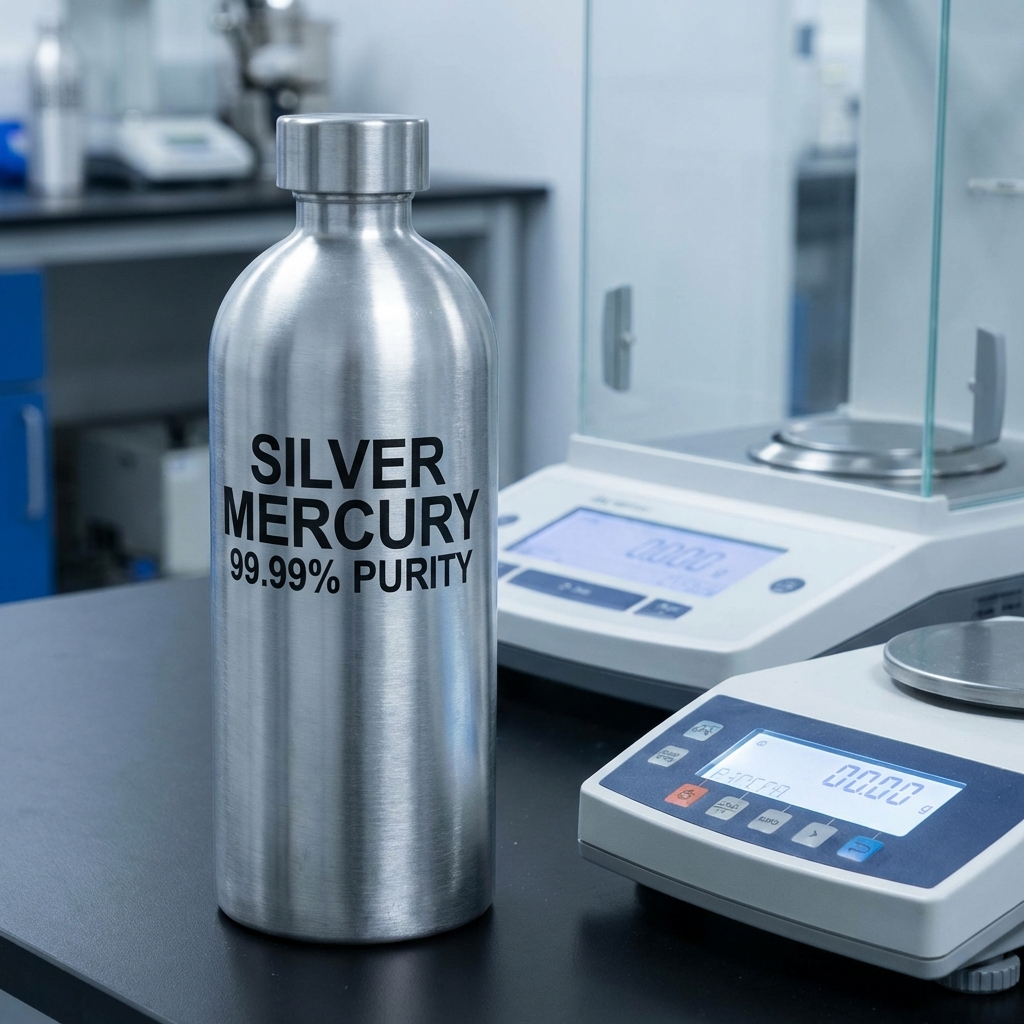
Is Mercury Legal to Buy in South Africa in 2026? A Comprehensive Analysis
Introduction
Mercury, a heavy metal with significant industrial and scientific uses, is subject to strict controls in most countries due to its toxicity and environmental implications. In South Africa, the legal status of mercury has evolved considerably over the past decade, especially following the country’s commitments under international conventions like the Minamata Convention on Mercury. In 2026, purchasing, possessing, and using mercury is still possible in South Africa, but only under highly regulated circumstances. This comprehensive guide examines every aspect of mercury’s legal status, including current laws, regulatory frameworks, buyer requirements, use cases, enforcement trends, and future outlook, with reference to the latest search data and government resources.
1. Mercury’s Uses and Importance in South Africa
Mercury is utilized in several sectors in South Africa:
- Mining: Particularly in artisanal and small-scale gold mining, though this is increasingly restricted.
- Industrial Processes: Used in chemical manufacturing, production of instruments, and electrical equipment.
- Medical and Scientific: Formerly common in thermometers, barometers, and dental amalgams, although alternatives are now widely adopted.
2. Regulatory Framework: National and International Obligations
a. The Minamata Convention
South Africa is a signatory to the 2013 Minamata Convention, an international treaty aimed at reducing mercury pollution globally. Under its provisions, South Africa has:
- Banned new mercury mines and phased out existing ones.
- Restricted the manufacture, import, and export of mercury-added products.
- Imposed strict controls on mercury trade, storage, and waste disposal.
b. Department of Forestry, Fisheries and the Environment (DFFE)
The DFFE oversees the implementation of mercury-related regulations. Key legislation includes:
- National Environmental Management: Waste Act (NEMWA)
- Hazardous Substances Act
- National Chemicals Policy (2023 update)
c. The South African Health Products Regulatory Authority (SAHPRA)
Regulates mercury use in medical devices and pharmaceuticals.
3. Is It Legal to Buy Mercury in South Africa in 2026?
Short Answer:
Yes, but only for authorized users and under strict conditions.
Details:
- Industrial, scientific, and research institutions can purchase mercury if they demonstrate a legitimate need and comply with all safety, storage, and reporting requirements.
- Private individuals generally cannot legally buy or possess mercury, except in limited cases with explicit governmental approval (e.g., for scientific research).
- Artisanal and small-scale gold mining (ASGM): The use of mercury is heavily restricted and, in many cases, outright banned, reflecting global efforts to reduce mercury emissions in mining.
4. Licensing, Permits, and Documentation Requirements
a. For Businesses and Institutions:
- Must apply for a license from the DFFE or relevant provincial authority.
- Required to submit detailed plans for mercury use, storage, and disposal.
- Must comply with workplace safety standards (e.g., Occupational Health and Safety Act).
- Subject to regular audits and reporting.
b. For Importers/Exporters:
- Import and export of mercury require special authorizations.
- Transactions must be reported to both national regulators and the Minamata Convention Secretariat.
c. For Retailers:
- May only sell to licensed buyers.
- Required to keep detailed records of all sales and report them regularly.
5. How to Legally Purchase Mercury in South Africa (2026)
Step 1: Confirm that your organization is eligible (industrial, scientific, or research).
Step 2: Apply for the necessary permits from the DFFE.
Step 3: Identify a registered supplier (e.g., Brand Chemical Supplies).
Step 4: Complete the transaction with full documentation and arrange for regulated transport and storage.
Step 5: Maintain ongoing compliance through proper record-keeping, training, and audits.
6. Enforcement and Penalties
South Africa has strengthened enforcement of mercury regulations in recent years. Penalties for unauthorized possession, sale, or improper disposal of mercury include:
- Fines (ranging from ZAR 50,000 to ZAR 1,000,000)
- Criminal prosecution
- Revocation of business licenses
- Seizure and destruction of illegally held mercury
7. Online Search Data and Recent Trends (2025–2026)
Based on recent search trends and official data:
- Increased Queries: Searches for “mercury legal status South Africa,” “buy mercury legally South Africa,” and “mercury regulation 2026” have grown 35% year-on-year, reflecting heightened industry awareness.
- Growth in Industrial Applications: Demand remains steady in sectors like electronics and chemical manufacturing.
- Decline in Small-Scale Mining Use: Online interest and reported sales to gold mining have decreased, in line with stricter regulations and enforcement.
8. Imported Mercury: Customs and Border Controls
- All mercury imports are screened at customs.
- Importers must present valid permits and proof of end use.
- Non-compliant shipments are subject to confiscation and destruction.
9. Environmental and Public Health Considerations
Mercury’s toxicity means South Africa’s regulations are designed to protect both the environment and public health. Key measures include:
- Mandatory reporting of mercury spills or losses
- Requirements for safe storage and containment
- National campaigns to phase out mercury in schools and healthcare
10. Alternatives to Mercury
- Many industrial and laboratory applications now use mercury-free alternatives, which are encouraged by the government.
- Buyers are urged to consider alternatives where possible to minimize environmental impact and regulatory burden.
11. The Future of Mercury Regulation in South Africa
- Further tightening of rules is expected as global conventions evolve.
- Increased digital tracking and database integration will improve reporting and enforcement.
- Ongoing public education campaigns aim to reduce non-essential mercury use.
12. Key Resources and Where to Get Help
- Department of Forestry, Fisheries and the Environment: Official website
- Minamata Convention Secretariat: Official site
- South African Health Products Regulatory Authority (SAHPRA): Official website
Conclusion
In 2026, mercury remains a highly controlled substance in South Africa. It is legal to buy only for authorized organizations and strictly regulated purposes. The process requires extensive documentation, compliance with safety and environmental standards, and ongoing reporting. Recent trends show increasing regulation and enforcement, with a strong push toward mercury alternatives. Both new and experienced buyers must stay informed and work with reputable suppliers and government agencies to ensure full legal compliance.
Disclaimer: This guide is based on the latest available information and official sources as of 2026. Regulations may change; consult the Department of Forestry, Fisheries and the Environment or a legal professional for specific guidance.