 +27 (0) 83 279 8073 (Faster Response)
  info@brandchemicalsupplies.co.za
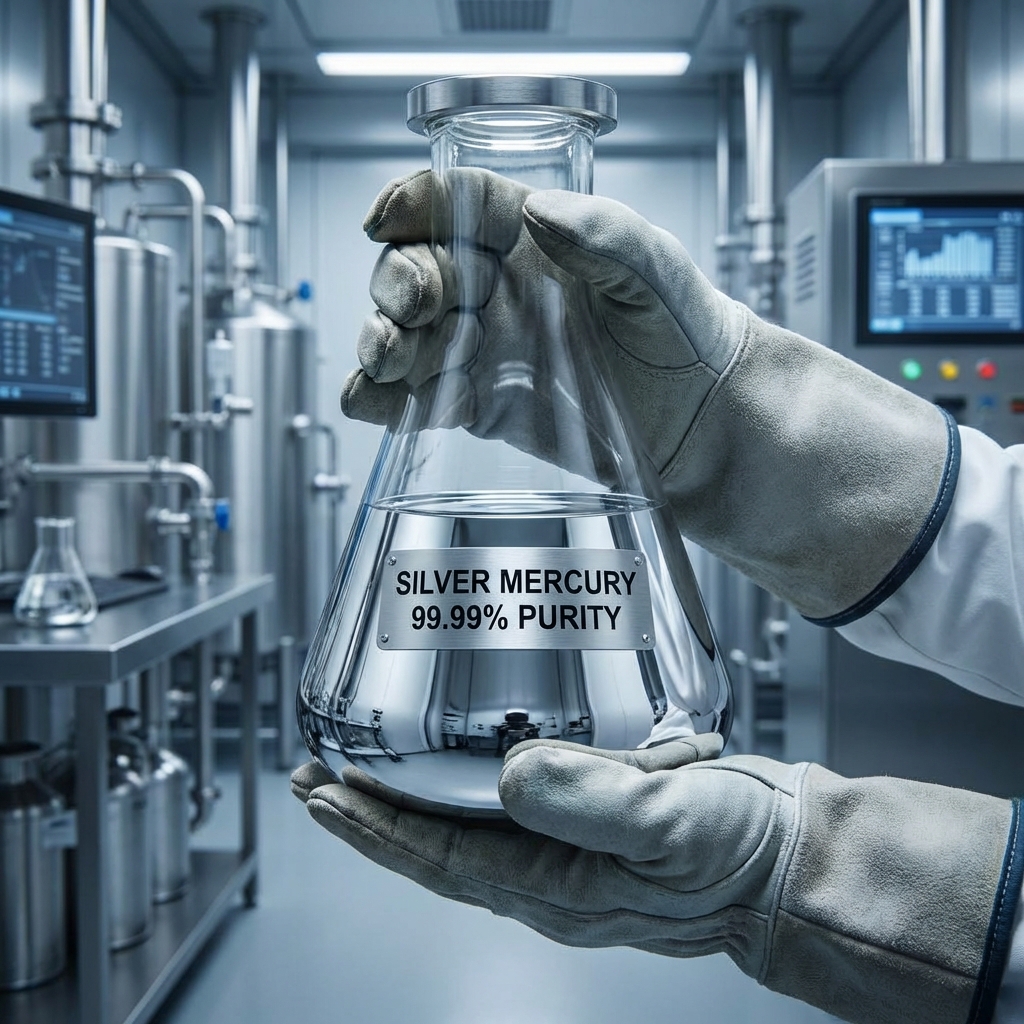
Mercuric Chloride Uses in Medicine
Historical Medical Applications
Mercuric chloride (HgCl₂), also known as corrosive sublimate, has a long and notable history in medicine. In the 19th and early 20th centuries, it was widely used for its potent antiseptic and disinfectant properties. Common medical uses included:
- Topical Antiseptic: Applied to wounds and ulcers to prevent infection.
- Disinfectant: Used to sterilize medical instruments and surfaces.
- Treatment for Syphilis: Administered orally or via injection as one of the early treatments for syphilis before the advent of antibiotics.
- Preservative: Used in the preparation of anatomical specimens and in some pharmaceutical products.
Modern Medical Practice
Due to its high toxicity and risk of mercury poisoning, mercuric chloride is no longer used in modern medicine for direct patient care or as a disinfectant. Safer and more effective antimicrobial agents have replaced it. Today, its medical use is primarily limited to:
- Histology and Pathology: Utilized in laboratory settings as a tissue fixative for microscopic examination.
- Pharmaceutical Reference Standards: Occasionally used as a chemical standard in pharmaceutical research and quality control.
Health and Safety Concerns
Mercuric chloride is highly poisonous, and exposure can cause severe health issues, including kidney damage, neurological symptoms, and even death. Because of this, its handling in medical and laboratory environments is strictly regulated, and its use is largely historical.
Conclusion
While mercuric chloride played a critical role in medical history as an antiseptic and treatment agent, its use has been discontinued in clinical settings due to toxicity concerns. Modern medicine relies on safer alternatives, and mercuric chloride’s role is now confined to controlled laboratory applications.