 +27 (0) 83 279 8073 (Faster Response)
  info@brandchemicalsupplies.co.za
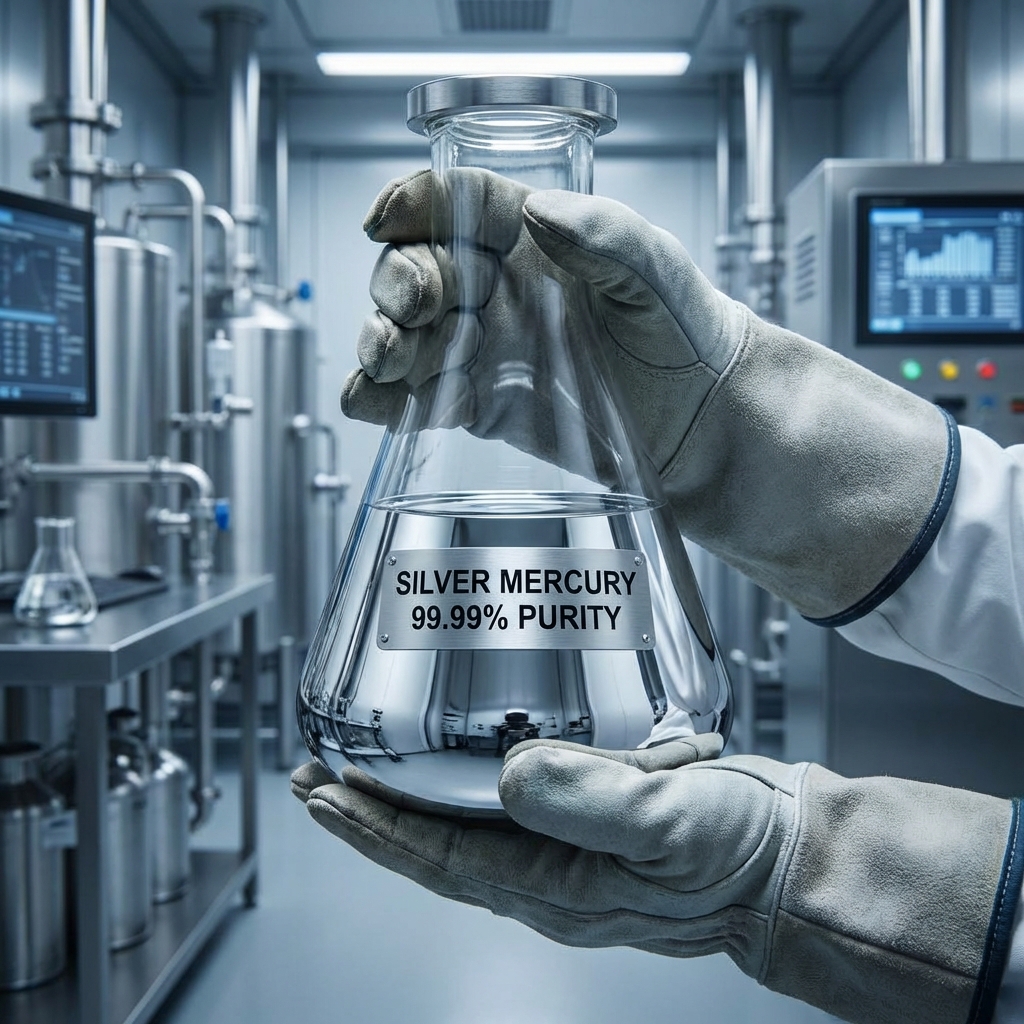
Mercury and Its Amalgams: Unique Metal Combinations
Mercury is a fascinating element, distinguished by its ability to form amalgams with many other metals. This unique property has made mercury invaluable in industries ranging from mining and dentistry to electronics. In this article, we’ll explore what amalgams are, how mercury forms them, common applications, benefits, risks, and environmental considerations.
What Are Amalgams?
Amalgams are alloys created when mercury combines with another metal. Unlike most metals, mercury is liquid at room temperature, allowing it to easily wet and dissolve many solid metals. The result is a blend that retains some properties of both mercury and the other metal, leading to a wide variety of practical uses.
How Mercury Forms Amalgams
Mercury’s atomic structure allows it to interact readily with metals such as gold, silver, tin, zinc, and copper. When these metals come into contact with mercury, their atoms mix on a molecular level, creating a new material known as an amalgam. The process is typically physical rather than chemical, and the resulting amalgam can be soft and pliable or hard and durable, depending on the metals involved.
Some metals, including iron, platinum, and tungsten, resist amalgamation. This resistance is why mercury is usually stored in iron containers, as the two do not react.
Common Uses of Mercury Amalgams
Mercury amalgams have been employed in several key industries:
- Gold and Silver Mining: Mercury is used to extract gold and silver from ore. It forms an amalgam with these precious metals, allowing miners to separate them from surrounding rock. The amalgam is then heated to evaporate the mercury, leaving behind pure gold or silver.
- Dentistry: Dental amalgam, a mixture of mercury with silver, tin, and copper, has been used for over a century to fill cavities. These fillings are durable, easy to shape, and cost-effective.
- Electronics: Some electrical switches and relays use mercury amalgams for their excellent conductivity and stability.
- Mirror Making: Historically, mercury amalgam was used to coat the back of glass mirrors, producing a reflective surface.
Benefits of Mercury Amalgams
- Versatility: Amalgams can be tailored for different purposes by adjusting the metal composition.
- Strong Bonding: Mercury forms stable bonds with many metals, making amalgams durable and long-lasting.
- Efficiency: In gold mining, mercury amalgamation offers a simple and effective way to extract precious metals from ore.
Health and Environmental Risks
While mercury amalgams have many benefits, they also come with significant risks. Mercury is highly toxic, and exposure can lead to serious health problems, including neurological and developmental disorders. The use of mercury in mining has led to contamination of water sources and ecosystems, threatening wildlife and human communities.
In dentistry, the use of amalgam fillings has been debated due to concerns about mercury exposure. However, regulatory agencies like the FDA and WHO state that dental amalgam is generally safe for most people, though some prefer mercury-free alternatives.
Environmental Impact and Safe Handling
Mercury released from amalgam use, especially in mining, can persist in the environment for decades. It can enter waterways, convert to toxic methylmercury, and bioaccumulate in fish and other wildlife. Proper handling, recycling, and disposal of mercury and amalgam-containing waste are essential to reduce environmental harm.
Many countries are moving toward limiting or banning mercury use in mining and promoting mercury-free dental materials. Safe storage in iron containers and adherence to disposal regulations help minimize risks.
Conclusion
Mercury’s ability to form amalgams with other metals is a unique and valuable property with a long history of industrial and scientific use. While amalgams offer versatility and efficiency, the potential health and environmental hazards of mercury require responsible management. As industries transition to safer alternatives, understanding the role of mercury amalgams remains important for both historical context and current best practices.
mercury amalgam, amalgam properties, mercury alloys, mercury in mining, dental amalgam, mercury safety, environmental impact of mercury, mercury alternatives, mercury uses, amalgam risks