 +27 (0) 83 279 8073 (Faster Response)
  info@brandchemicalsupplies.co.za
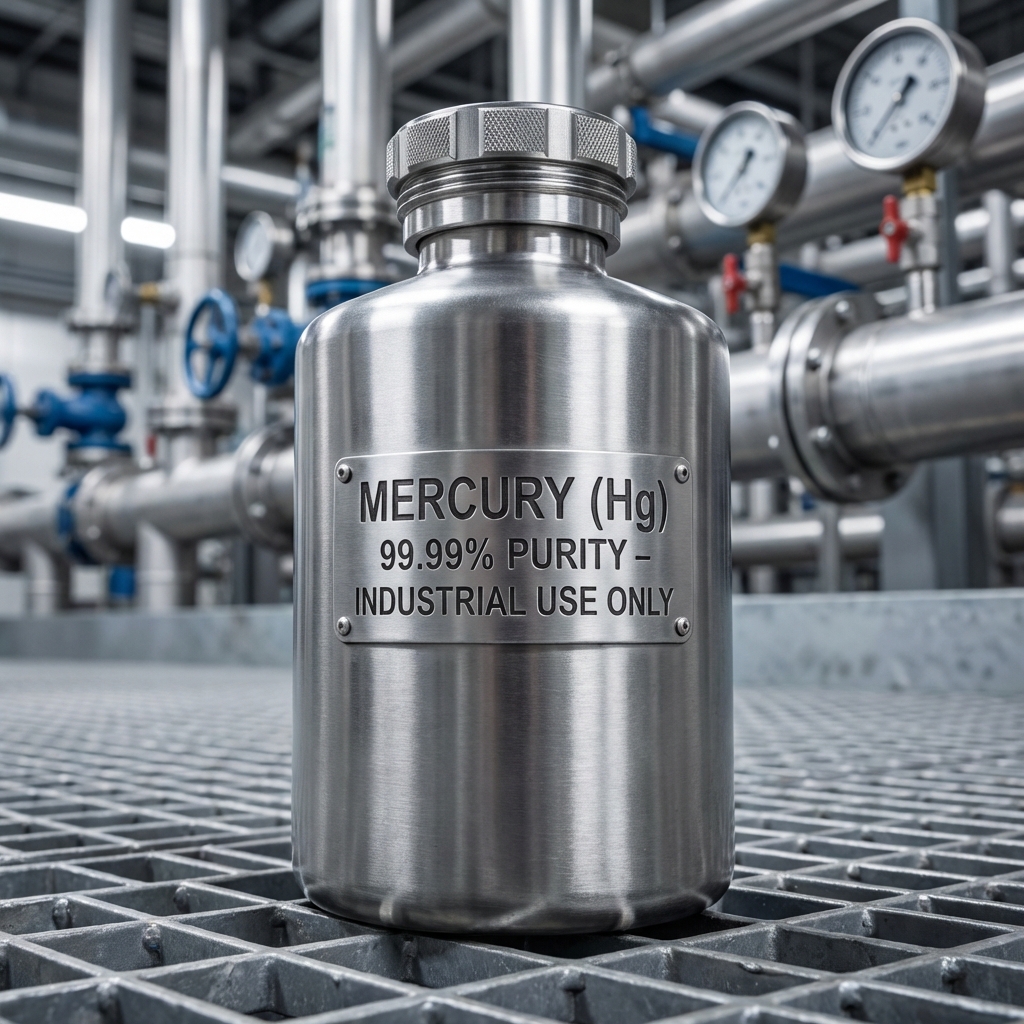
Mercury (chemical symbol Hg) is a unique element with a long history of industrial use due to its liquid state at room temperature, high density, and ability to form amalgams with other metals. Despite increasing regulatory controls and health concerns, mercury remains essential for specific industrial processes, scientific research, and manufacturing applications. This in-depth guide explores how to source mercury (Hg) from industrial suppliers, key applications, pricing, safety, regulatory considerations, and the factors that buyers must evaluate.
What is Mercury (Hg)?
Mercury is a naturally occurring element found in the earth’s crust. It is the only metal that is liquid at room temperature, with a silvery appearance and high density. Mercury’s unique properties make it valuable in certain scientific and industrial settings, but also pose serious health and environmental risks if not handled properly.
Key Industrial Uses of Mercury
- Chlor-alkali Industry: Mercury-cell technology is used to produce chlorine and caustic soda, though it is being phased out in many regions.
- Mining and Metallurgy: Mercury is used in gold and silver extraction (amalgamation), but alternatives are encouraged due to environmental concerns.
- Scientific Instruments: Traditional thermometers, barometers, and manometers utilize mercury for precise measurements.
- Electrical and Electronic Devices: Mercury is found in some switches, relays, fluorescent lamps, and rectifiers.
- Chemical Manufacturing: Used as a catalyst or reagent in specialty reactions.
- Dentistry: Dental amalgams contain mercury alloyed with silver and other metals, though use is declining.
How to Source Mercury from Industrial Suppliers
1. Identify Reputable Suppliers
Choose established chemical distributors with solid reputations, such as Brand Chemical Supplies, Chem Lab SA, or verified international suppliers. Ensure the company is authorized to handle and sell mercury under local and international regulations.
2. Request Product Specifications
Always obtain a Certificate of Analysis (CoA) or technical data sheet to verify the purity of mercury (commonly 99.99%) and absence of dangerous contaminants.
3. Determine Packaging and Quantities
Mercury is typically supplied in sealed flasks, bottles, or drums, with quantities ranging from 500g to several kilograms. Industrial bulk supplies may require custom packaging.
4. Clarify Pricing and Payment Terms
Mercury prices fluctuate based on global demand, regulatory changes, and purity requirements. Request updated quotes and clarify payment, shipping, and insurance terms before purchase.
5. Understand Shipping and Handling Regulations
Due to its hazardous nature, mercury transportation is strictly regulated. Suppliers must comply with ADR, IMDG, or IATA rules for hazardous goods. Ensure your facility is prepared for safe receipt and storage.
Regulatory and Safety Considerations
- Legal Restrictions: Many countries have banned or restricted mercury trade. Confirm your intended use is legal and that you have the necessary permits.
- Health and Environmental Risks: Mercury exposure can cause neurological, respiratory, and environmental harm. Always handle mercury in well-ventilated areas using appropriate PPE and spill kits.
- Disposal: Mercury waste must be processed by licensed hazardous waste handlers. Never dispose of mercury in regular waste streams.
- Supplier Responsibilities: Industrial suppliers should provide safety data sheets (SDS), proper labeling, and guidance on safe handling, storage, and disposal.
Typical Problems and Solutions
Problem: Difficulty finding legal, reputable mercury suppliers.
- Solution: Use suppliers registered with local chemical regulatory authorities and request proof of compliance.
Problem: High shipping costs or delays due to hazardous classification.
- Solution: Plan purchases in advance and work with suppliers experienced in hazardous goods logistics.
Problem: Risk of contamination or inferior product quality.
- Solution: Only purchase mercury with a CoA and verify the supplier’s quality control procedures.
Problem: Complex regulatory requirements for import, storage, or use.
- Solution: Consult with your supplier and local regulatory agencies for the latest rules. Obtain all required permits before ordering.
Frequently Asked Questions
1. Can I import mercury for industrial use?
Import is often tightly regulated or banned. Check with the Department of Environmental Affairs and relevant authorities in your country for up-to-date importation laws and permit requirements.
2. What purity of mercury is required for industrial applications?
Most industrial uses demand high-purity mercury (99.99% or higher). Always verify with your supplier and request a Certificate of Analysis.
3. How is mercury packaged for industrial supply?
Mercury is supplied in robust, sealed flasks or bottles. For bulk quantities, specialized UN-approved containers are used to prevent leakage and contamination.
4. What precautions should be taken when handling mercury?
Use chemical-resistant gloves, eye protection, and work in well-ventilated areas. Mercury spills must be cleaned with specific kits; never use a regular vacuum.
5. Are there alternatives to mercury for industrial processes?
Yes, many industries are transitioning to mercury-free technologies. Evaluate alternatives for environmental and regulatory compliance.
Conclusion
Mercury (Hg) remains a specialized industrial material, essential for certain processes despite increasing restrictions and the availability of alternatives. When sourcing mercury, prioritize legal compliance, supplier reputation, verified purity, and safe handling. Work only with industrial suppliers who provide complete documentation and support for regulatory requirements. By following best practices, buyers can obtain mercury safely and responsibly while minimizing health and environmental risks.
For current mercury (Hg) supply options, contact authorized industrial chemical suppliers like Brand Chemical Supplies for expert advice, up-to-date pricing, and full regulatory support.