 +27 (0) 83 279 8073 (Faster Response)
  info@brandchemicalsupplies.co.za
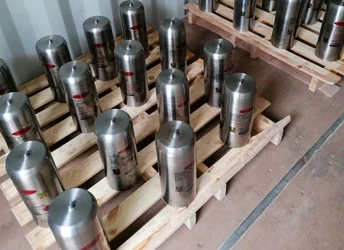
National Regulatory Phase for Mercury in South Africa
Introduction
Mercury is a highly toxic element that poses significant risks to human health and the environment. Its regulation has become a global priority, underscored by the adoption of the Minamata Convention on Mercury, an international treaty established to protect human health and the environment from anthropogenic emissions and releases of mercury and mercury compounds. South Africa, as a signatory to the Minamata Convention, is actively engaged in the national regulatory phase for mercury, adapting its legal and institutional frameworks to meet the Convention’s obligations and manage mercury risks domestically. This article provides an in-depth analysis of South Africa’s approach, the steps involved, the challenges encountered, and the solutions implemented during this regulatory phase. It also offers examples from policy and practice, and answers frequently asked questions relevant to the South African context.
Steps in the National Regulatory Phase for Mercury in South Africa
1. Assessment of Existing Legal and Institutional Frameworks
The first step in South Africa’s regulatory phase was a thorough review of existing policies, laws, and institutional arrangements relating to mercury management. The Department of Forestry, Fisheries and the Environment (DFFE) led a cross-sectoral assessment, identifying gaps in chemicals and waste management legislation, and mapping out responsibilities across government agencies, such as the Department of Health, Department of Mineral Resources and Energy, and the South African Revenue Service (customs).
2. National Mercury Initial Assessment (MIA)
In 2018, South Africa completed its National Mercury Initial Assessment. This foundational document:
- Identified primary sources and uses of mercury within the country, including artisanal and small-scale gold mining (ASGM), coal combustion, industrial processes, and mercury-added products.
- Assessed existing data on mercury emissions and releases.
- Highlighted gaps in regulatory coverage and enforcement capacity.
- Set priorities for legal reform, capacity building, and public awareness.
3. Policy Development and Legislative Reform
Following the MIA, the government began drafting and amending legislation to align with the Minamata Convention. Key actions included:
- Amending the National Environmental Management: Waste Act (NEMWA) to include mercury-specific provisions for handling, storage, and disposal.
- Restricting the import, export, and use of mercury and mercury-added products, including thermometers, sphygmomanometers, and certain lighting products.
- Introducing permitting requirements for facilities handling mercury.
4. Stakeholder Engagement
South Africa recognized the importance of involving all affected parties. Stakeholder consultations included:
- Government agencies (environment, health, mining, industry, customs).
- Industry associations and businesses involved in chemicals, mining, and manufacturing.
- Academic experts and non-governmental organizations (NGOs).
- Community groups, especially those in areas affected by ASGM or legacy pollution.
5. Public Consultation and Impact Assessment
The government invited public comment on proposed regulations and conducted impact assessments to:
- Evaluate the socioeconomic implications of new mercury controls.
- Address concerns from small-scale miners, importers, and healthcare providers.
- Ensure transparency and public participation in the regulatory process.
6. Regulatory Approval and Enactment
Draft regulations were submitted for legislative approval, with amendments made based on stakeholder and public feedback. Once approved, new rules were promulgated and published, establishing a legal basis for mercury management.
7. Implementation and Enforcement
With the regulatory framework in place, implementation commenced:
- Training programs for environmental inspectors, customs officials, and health professionals were rolled out.
- Monitoring systems were established for mercury emissions, trade, and product disposal.
- Public awareness campaigns informed citizens about the dangers of mercury and compliance requirements.
8. Monitoring, Reporting, and Continuous Improvement
South Africa instituted regular reporting to the Minamata Convention Secretariat and periodic review of regulatory effectiveness. This includes:
- Tracking mercury imports, exports, and emissions.
- Updating legislation and enforcement practices as needed.
- Engaging in international collaboration for technical assistance and knowledge exchange.
Challenges and Solutions in the South African Context
Challenge 1: Artisanal and Small-Scale Gold Mining (ASGM)
Problem: ASGM is a significant source of mercury emissions in South Africa, often operating informally and outside of regulatory oversight. Mercury is used to extract gold, resulting in environmental contamination and serious health risks for miners and surrounding communities.
Solution:
- Formalize the ASGM sector to improve oversight, safety, and environmental performance.
- Provide training and support to miners on mercury-free gold extraction technologies, such as gravity concentration and cyanidation (with strict environmental controls).
- Develop alternative livelihoods and social support for communities dependent on ASGM.
Challenge 2: Legacy Mercury Pollution
Problem: Historical industrial activities, especially in gold mining and chlor-alkali production, have left contaminated sites with significant mercury residues in soil and water.
Solution:
- Map and prioritize contaminated sites for remediation with the support of international partners (e.g., UNEP, UNIDO).
- Develop and implement site-specific clean-up strategies using best available techniques.
- Involve affected communities in remediation planning and risk communication.
Challenge 3: Limited Technical and Enforcement Capacity
Problem: Regulatory agencies often face resource constraints, limiting their ability to monitor, enforce, and report on mercury-related activities.
Solution:
- Secure technical assistance and funding from international organizations.
- Invest in training and equipping inspectors, customs officials, and laboratory personnel.
- Use technology, such as mobile applications and remote sensing, for monitoring and reporting.
Challenge 4: Industry and Public Resistance
Problem: Stakeholders in industry and the general public may resist new regulations due to perceived costs, lack of information, or fear of job loss.
Solution:
- Engage stakeholders early in the regulatory process to build trust and understanding.
- Offer incentives for industry transition, such as phased compliance timelines and support for adopting mercury-free alternatives.
- Develop comprehensive public education campaigns highlighting the health and environmental benefits of mercury regulation.
Challenge 5: Data Gaps and Information Management
Problem: Lack of comprehensive data on mercury flows, emissions, and exposures hampers effective regulation and policy evaluation.
Solution:
- Strengthen national mercury monitoring networks and data collection systems.
- Collaborate with academic institutions and international experts to improve research and data analysis.
- Incorporate data management into national reporting frameworks.
Examples from Policy and Practice
- Healthcare Sector: South Africa is phasing out mercury thermometers and blood pressure devices in hospitals and clinics, replacing them with digital alternatives. This aligns with Minamata requirements and reduces occupational exposure risks.
- Import and Trade Controls: The South African Revenue Service has introduced stricter customs controls and permit requirements for the import and export of mercury and mercury-added products.
- Site Remediation: The government, with international support, is undertaking clean-up projects at sites contaminated by legacy mercury use in mining and industry.
- ASGM Pilot Projects: Pilots introducing mercury-free technologies in small-scale mining areas are showing promise, with improved gold recovery rates and reduced environmental impact.
Frequently Asked Questions (FAQ)
Q1: Why is mercury regulation important for South Africa?
A: Mercury is a potent neurotoxin affecting human health, especially children and pregnant women. Regulating mercury protects the environment, promotes safer working conditions, and fulfills South Africa’s international obligations.
Q2: What products containing mercury are being phased out?
A: Mercury-containing thermometers, blood pressure monitors, and certain fluorescent lighting products are being restricted and replaced with safer alternatives.
Q3: How is South Africa addressing informal gold mining and mercury use?
A: By formalizing the sector, providing training on mercury-free techniques, and supporting alternative livelihoods, the government aims to reduce mercury emissions from ASGM.
Q4: What penalties exist for non-compliance?
A: Penalties include fines, suspension of licenses, and potential criminal prosecution for illegal import, use, or disposal of mercury.
Q5: How can citizens report illegal mercury use or pollution?
A: The DFFE operates hotlines and online platforms for reporting environmental violations, including improper mercury handling or disposal.
Q6: Where can technical and financial support be found?
A: International organizations such as UNEP, UNIDO, and the Minamata Convention Secretariat offer guidance, training, and funding for mercury management initiatives.
Conclusion
South Africa’s national regulatory phase for mercury demonstrates a comprehensive, multi-sectoral approach to chemical management. While challenges persist—particularly in informal mining, legacy pollution, and enforcement—there is clear progress in legal reform, stakeholder engagement, and public education. Through sustained effort, international cooperation, and continuous improvement, South Africa is advancing towards full compliance with the Minamata Convention and ensuring the protection of human health and the environment from mercury’s harmful effects.