 +27 (0) 83 279 8073 (Faster Response)
  info@brandchemicalsupplies.co.za
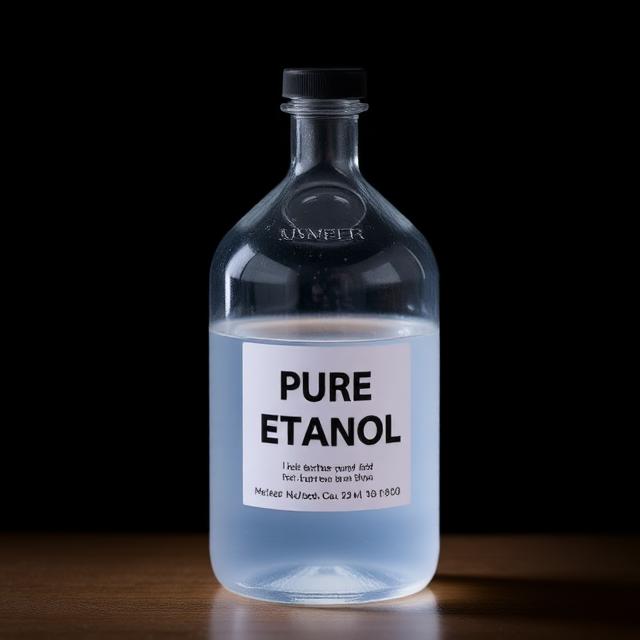
The Ultimate Guide to the Price of Undenatured Pure Ethanol 99.9%: Sourcing, Cost, and Compliance with Brand Chemical Supplies
Introduction
Ethanol, also known as ethyl alcohol, is one of the most essential chemicals in the world of science, industry, pharmaceuticals, and even food and beverage manufacturing. When we talk about 99.9% undenatured pure ethanol, we refer to the highest grade of ethanol available commercially—free from additives, contaminants, and water. This level of purity is the gold standard for laboratories, analytical chemistry, and high-precision industrial processes.
For organizations and researchers, understanding the price of undenatured pure ethanol 99.9% involves more than just checking a catalog. Factors such as purity, packaging, quantity, regulatory compliance, and supplier reputation all play a crucial role. In this exhaustive SEO guide, Brand Chemical Supplies leads you through every aspect of buying, pricing, and using 99.9% undenatured pure ethanol, ensuring your investment brings optimal quality, value, and safety.
Chapter 1: What is 99.9% Undenatured Pure Ethanol?
Definition and Characteristics
- Undenatured Ethanol: Ethanol that has not been mixed with denaturants (additives that render it unfit for human consumption). It is pure, without any chemicals added to change its taste, odor, or toxicity.
- 99.9% Purity: Indicates that 99.9% of the liquid is pure ethanol, with only 0.1% (or less) being water or trace impurities. This is also referred to as anhydrous or absolute ethanol.
- Physical Properties: Clear, colorless, highly volatile, and flammable liquid; boiling point 78.37°C; characteristic alcohol odor.
Why Purity Matters
For applications in pharmaceuticals, research, chemical synthesis, and electronics, any impurity—even in trace amounts—can compromise results, contaminate products, or damage equipment. That’s why 99.9% pure ethanol is the benchmark for professionals seeking precision and reliability.
Chapter 2: Applications of 99.9% Undenatured Pure Ethanol
Laboratory Use
- Solvent: Highly effective for dissolving organic and inorganic compounds.
- Sample Preparation: Used in DNA/RNA extraction, protein purification, and histology.
- Cleaning Agent: Removes residues from glassware and instruments.
Pharmaceutical and Medical
- Formulation: Active ingredient in tinctures, disinfectants, and medicinal solvents.
- Production: Used in the manufacture of vaccines, drugs, and injectable solutions (following strict regulatory standards).
Electronics and High-Tech Industry
- Cleaning: Removes dust, grease, and residues from sensitive electronics.
- Production: Used in the creation of microchips, sensors, and other precision components.
Chemical Synthesis
- Reactant and Solvent: Key component in chemical reactions and processes requiring high purity.
Food and Beverage (Where Permitted)
- Extraction: Used for flavor extraction and essential oil production.
- Beverage Production: Only in jurisdictions that allow food-grade, undenatured ethanol.
Chapter 3: Factors Affecting the Price of Undenatured Pure Ethanol 99.9%
1. Raw Material Source
- Grain-based Ethanol: Derived from corn, wheat, or other grains.
- Synthetic Ethanol: Produced from petrochemical processes.
- Fermentation vs. Synthetic: Fermentation-based ethanol is often preferred for food and beverage use due to regulatory standards.
2. Purification Process
- Distillation: Basic purification, yields ~95% ethanol (azeotropic mixture).
- Azeotropic Distillation/Dehydration: Removes water to achieve 99.9% purity, often using molecular sieves—this adds to cost.
3. Certification and Analysis
- Certificate of Analysis: Verifies purity, water content, and absence of denaturants.
- Batch Testing: Additional quality assurance increases price.
4. Packaging
- Small Quantities: Supplied in glass or HDPE bottles for laboratory use.
- Bulk Quantities: Available in drums or IBC totes (Intermediate Bulk Containers).
- Airtight Sealing: Ensures purity and prevents evaporation.
5. Quantity Ordered
- Economies of Scale: Larger orders generally reduce price per liter/kg.
- Minimum Order Quantities (MOQs): Some suppliers have MOQs for bulk pricing.
6. Regulatory Compliance
- Excise Duties and Taxes: Undenatured ethanol is highly regulated to prevent misuse; taxes and permits may increase costs.
- Storage and Transport Regulations: Compliance with hazardous material regulations adds to logistics costs.
7. Supplier Reputation and Support
- Brand Value: Established suppliers like Brand Chemical Supplies invest in quality assurance, technical support, and reliable logistics, which may be reflected in the price but offer greater value and peace of mind.
Chapter 4: Typical Price Range for 99.9% Undenatured Pure Ethanol
Global Price Variation
Prices for high-purity, undenatured ethanol fluctuate based on market conditions, region, and the factors above. As of 2024, indicative pricing is:
- Laboratory Quantities (500 mL – 5 L): $30 – $100 per liter, depending on volume and packaging.
- Bulk Quantities (20 L – 200 L): $10 – $30 per liter, with discounts for larger orders.
- Industrial/IBC (500 L – 1000 L): $5 – $15 per liter, subject to regulatory approval and freight.
Note: Final prices depend on current supply, demand, regulations, and special requirements. Always request a formal quote from Brand Chemical Supplies for accurate pricing.
Chapter 5: How to Buy 99.9% Undenatured Pure Ethanol from Brand Chemical Supplies
Step 1: Determine Your Needs
- Purity and Certification: Confirm you require 99.9% undenatured ethanol and request a Certificate of Analysis.
- Volume: Calculate how much ethanol you need and preferred packaging size.
- Intended Use: Specify the application to help with regulatory compliance.
Step 2: Compliance and Permits
- Licensing: Some countries require special licenses to purchase undenatured ethanol, due to its potential for misuse.
- End-User Declaration: You may need to declare the intended use and agree not to resell or misuse the product.
Step 3: Request a Quote
Contact Brand Chemical Supplies via website, email, or phone. Provide details on:
- Purity
- Volume
- Packaging
- Shipping location
- End-use
Step 4: Order Confirmation and Documentation
- Quotation Approval: Confirm the quote and provide any necessary permits.
- Payment: Secure payment options are available (bank transfer, credit card, business account).
- Documentation: Receive COA, SDS, and regulatory paperwork with your order.
Step 5: Packaging and Shipping
- Airtight Containers: Ethanol is supplied in sealed glass, HDPE, or stainless steel containers.
- Hazardous Material Shipping: Compliant with ADR, IATA, IMDG, and local transport regulations.
- Tracking: Real-time shipment tracking and delivery confirmation.
Step 6: Receiving and Storing Ethanol
- Inspection: Check packaging for integrity upon receipt.
- Storage: Store in a cool, well-ventilated, fire-safe room away from ignition sources.
Chapter 6: Compliance and Legal Considerations
Excise Tax and Regulation
- Undenatured Ethanol: Subject to high excise taxes and strict controls to prevent diversion for beverage alcohol.
- Denatured vs. Undenatured: Denatured is exempt from some taxes but not suitable for sensitive applications.
Safety and Handling
- Flammability: Ethanol vapors are highly flammable—store away from heat, sparks, and open flames.
- Toxicity: While less toxic than methanol, ethanol is still hazardous in high concentrations.
- Personal Protective Equipment: Use gloves, goggles, and lab coats.
Disposal
- Waste Ethanol: Collect and dispose of as hazardous waste in accordance with local regulations.
Chapter 7: Why Choose Brand Chemical Supplies for 99.9% Pure Ethanol?
1. Quality Assurance
- Consistent Purity: Every batch is tested and certified.
- Reliable Supply: Extensive inventory and established supplier relationships.
2. Regulatory Expertise
- Compliance Support: Assistance with permits, licensing, and export/import documentation.
- Safety Guidance: Access to up-to-date SDS and technical support.
3. Flexible Packaging
- Custom Quantities: From lab bottles to IBC totes.
- Leak-Proof Containers: Maintains purity and prevents evaporation.
4. Customer Service
- Technical Advice: Guidance on applications, storage, and handling.
- Responsive Support: From inquiry to after-sales care.
5. Global Reach
- International Shipping: Expertise in global logistics, hazardous material transport, and customs clearance.
Chapter 8: Frequently Asked Questions (FAQs)
What is the difference between denatured and undenatured ethanol?
- Denatured Ethanol: Contains additives making it unfit for consumption; used in cleaning, fuel, and some industrial applications.
- Undenatured Ethanol: Pure ethanol, suitable for laboratory, pharmaceutical, and regulated food/beverage uses.
Is 99.9% ethanol safe to use?
- Yes, with precautions: Highly flammable and potentially toxic. Use in well-ventilated areas and follow all safety protocols.
Why is undenatured ethanol more expensive?
- Taxes and Regulation: Subject to excise taxes and strict tracking.
- Purity Assurance: More rigorous testing and certification processes.
Can I use undenatured ethanol for hand sanitizers?
- Yes, if permitted by regulations and only for products requiring high purity.
Do I need a license to purchase?
- Often yes: Especially for bulk or industrial quantities. Brand Chemical Supplies will help determine requirements.
Chapter 9: Responsible Use and Environmental Stewardship
Storage and Safety
- Store in approved flammable liquid cabinets.
- Keep away from incompatible chemicals (oxidizers).
- Regularly inspect containers for leaks or damage.
Spill Response
- Use ethanol spill kits with absorbent materials.
- Ventilate area and eliminate ignition sources.
- Report large spills as required by law.
Waste and Recycling
- Collect waste ethanol in labeled containers.
- Use licensed hazardous waste handlers for disposal.
Conclusion
99.9% undenatured pure ethanol is the premium choice for critical laboratory, industrial, and pharmaceutical applications. Its price reflects not just the cost of raw materials, but the advanced purification, compliance, packaging, and safety measures required to deliver uncompromising quality. Brand Chemical Supplies stands as a global leader in the supply of high-purity ethanol, providing end-to-end support from quotation to delivery and beyond.
Whether you need a small laboratory quantity or bulk industrial supply, Brand Chemical Supplies is your partner for quality, compliance, and service. Contact us today for a personalized quote on undenatured pure ethanol 99.9% and experience the difference trusted expertise makes.
Keywords: undenatured pure ethanol price, 99.9% ethanol supplier, buy pure ethanol, high-purity ethanol cost, laboratory ethanol, ethanol for pharmaceuticals, ethanol for industry, Brand Chemical Supplies, ethanol compliance, ethanol packaging, ethanol safety, ethanol regulations, anhydrous ethanol, ethanol bulk prices
For the most accurate and up-to-date pricing on 99.9% undenatured pure ethanol, contact Brand Chemical Supplies for a customized quote and expert support.