 +27 (0) 83 279 8073 (Faster Response)
  info@brandchemicalsupplies.co.za
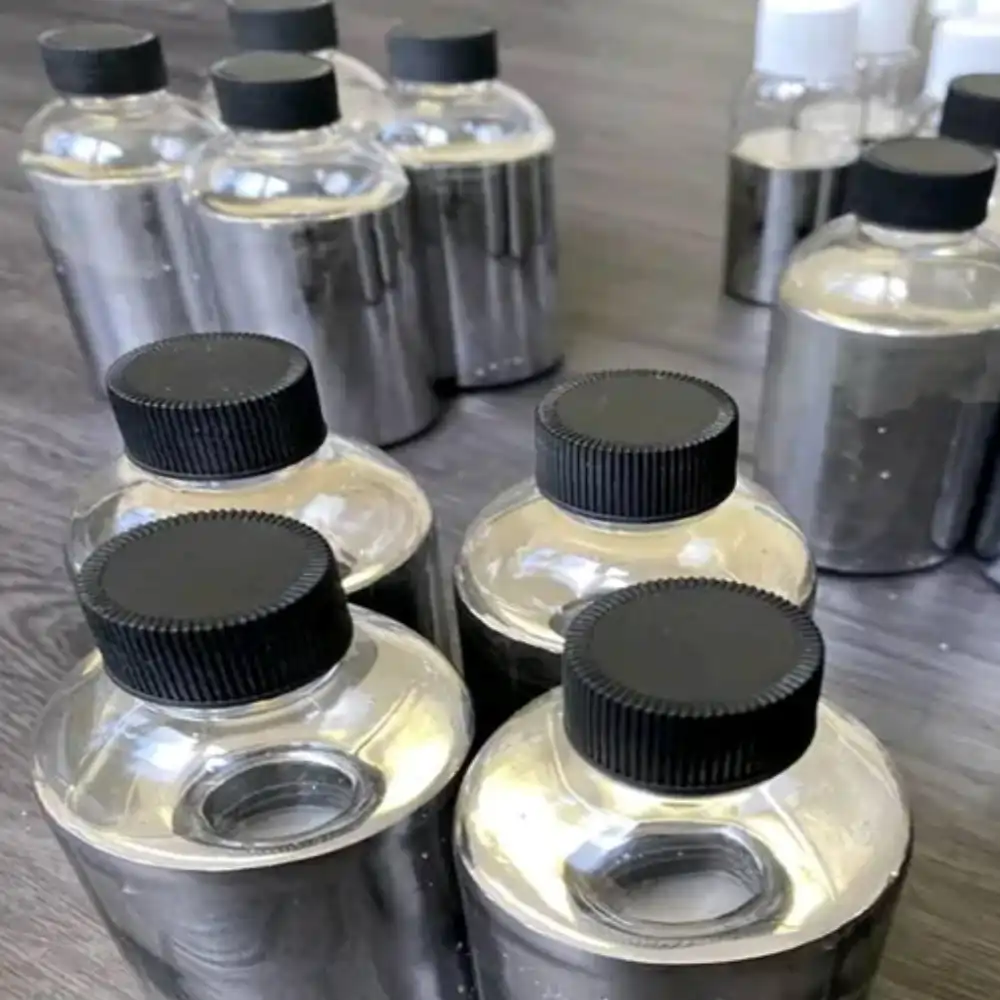
Silver liquid mercury is the metallic, silvery substance commonly known simply as mercury (chemical symbol: Hg). Here are some key facts about it:
- 🧪 Element: Mercury
Symbol: Hg (from its Latin name hydrargyrum, meaning “liquid silver”)
Atomic number: 80 - 🌡️ Appearance: A shiny, silver-white liquid at room temperature — one of the very few elements that is liquid under standard conditions.
- ⚖️ Density: Very high — about 13.5 times denser than water.
- 🔥 Melting point: −38.83 °C (−37.89 °F)
Boiling point: 356.73 °C (674.11 °F) - ☣️ Toxicity: Mercury and most of its compounds are highly toxic. It can vaporize at room temperature, and inhaling mercury vapor or ingesting its compounds can cause serious health effects, affecting the nervous system, kidneys, and other organs.
- 🧭 Uses:
- Thermometers and barometers (now being phased out for safety)
- Electrical switches and scientific instruments
- Historically used in amalgams for dentistry and metallurgy
- Used in some scientific and industrial processes (e.g., in the production of chlorine and caustic soda)
Mercury (Element) – A Complete Guide with Visual Reference
Introduction
Mercury, known by its symbol Hg (from the Latin hydrargyrum, meaning “liquid silver”), is one of the most unique and fascinating elements found on the periodic table. With atomic number 80, it stands out as a rare metal that is liquid at room temperature, captivating scientists, artists, and industrialists for centuries.
Appearance and Physical Properties
Mercury appears as a shiny, silver-white liquid under standard conditions. It is highly reflective, dense, and forms small, mobile droplets that roll easily across surfaces. This element’s density is about 13.5 times greater than water, making it exceptionally heavy for its volume.
- Atomic number: 80
- Chemical symbol: Hg
- Melting point: −38.83 °C (−37.89 °F)
- Boiling point: 356.73 °C (674.11 °F)
- Density: 13.534 g/cm³ at 20 °C
- State at room temperature: Liquid
Image Description: Mercury Drop
Imagine a high-resolution image showing a single, glistening drop of mercury resting on a smooth glass surface. The drop appears perfectly rounded due to surface tension, with a mirror-like finish reflecting its surroundings. The background is neutral, keeping the focus on the silvery metallic sheen of mercury.
Toxicity and Safety
Mercury and most of its compounds are highly toxic. It can vaporize at room temperature, making inhalation of mercury vapor a significant health risk. Chronic exposure can cause damage to the nervous system, kidneys, and other organs. Because of these hazards, mercury is handled with extreme caution in laboratories and its use in common consumer products is being phased out.
Safety Guidelines
- Never touch mercury with bare skin.
- Always work in a well-ventilated area.
- Avoid inhaling vapors.
- Dispose of mercury-containing products properly and legally.
Common Uses of Mercury
While the use of mercury is declining due to safety concerns, it remains important in specific industrial and scientific contexts:
- Thermometers and Barometers: Mercury expands and contracts predictably with temperature, making it ideal for precise measurements—though alternatives are now preferred for safety.
- Electrical Switches and Relays: Its conductivity and liquid state make it valuable in certain electrical components.
- Dental Amalgams: Historically, mercury was used to bind silver and other metals in dental fillings, though this practice is now rare.
- Scientific Instruments: Mercury is used in vacuum pumps, diffusion pumps, and other specialized laboratory equipment.
- Chlorine and Caustic Soda Production: Mercury cells are sometimes used in the electrolysis process.
Historical and Cultural Significance
Mercury’s unique properties have sparked curiosity for centuries. Ancient civilizations used it in medicine, alchemy, and religious rituals, associating it with the planet Mercury and the concept of transformation. The phrase “mad as a hatter” derives from mercury poisoning among 19th-century hat makers who used mercury nitrate in felt production.
Environmental Impact
Mercury released into the environment can contaminate water and soil, converting to toxic methylmercury in aquatic systems. This compound bioaccumulates in fish and shellfish, posing a health risk to humans and wildlife. Modern regulations focus on minimizing mercury emissions and safe disposal of mercury-containing items.
Conclusion
Mercury is an element of remarkable properties—a liquid metal with a mesmerizing appearance, but also a substance demanding utmost respect due to its toxicity. Its uses are now restricted to essential scientific and industrial applications. Understanding mercury’s characteristics and risks ensures it is handled safely and responsibly.
Focus Keyword: Mercury (element)
Meta Description: Discover the properties, uses, toxicity, and history of mercury (Hg), the only liquid metal at room temperature, with a visual guide to its appearance and safety tips.
URL Suggestion: /guide-to-mercury-element
For a visual representation, picture a highly reflective, silver drop of mercury on a laboratory glass plate, capturing both its beauty and the necessity for caution.