 +27 (0) 83 279 8073 (Faster Response)
  info@brandchemicalsupplies.co.za
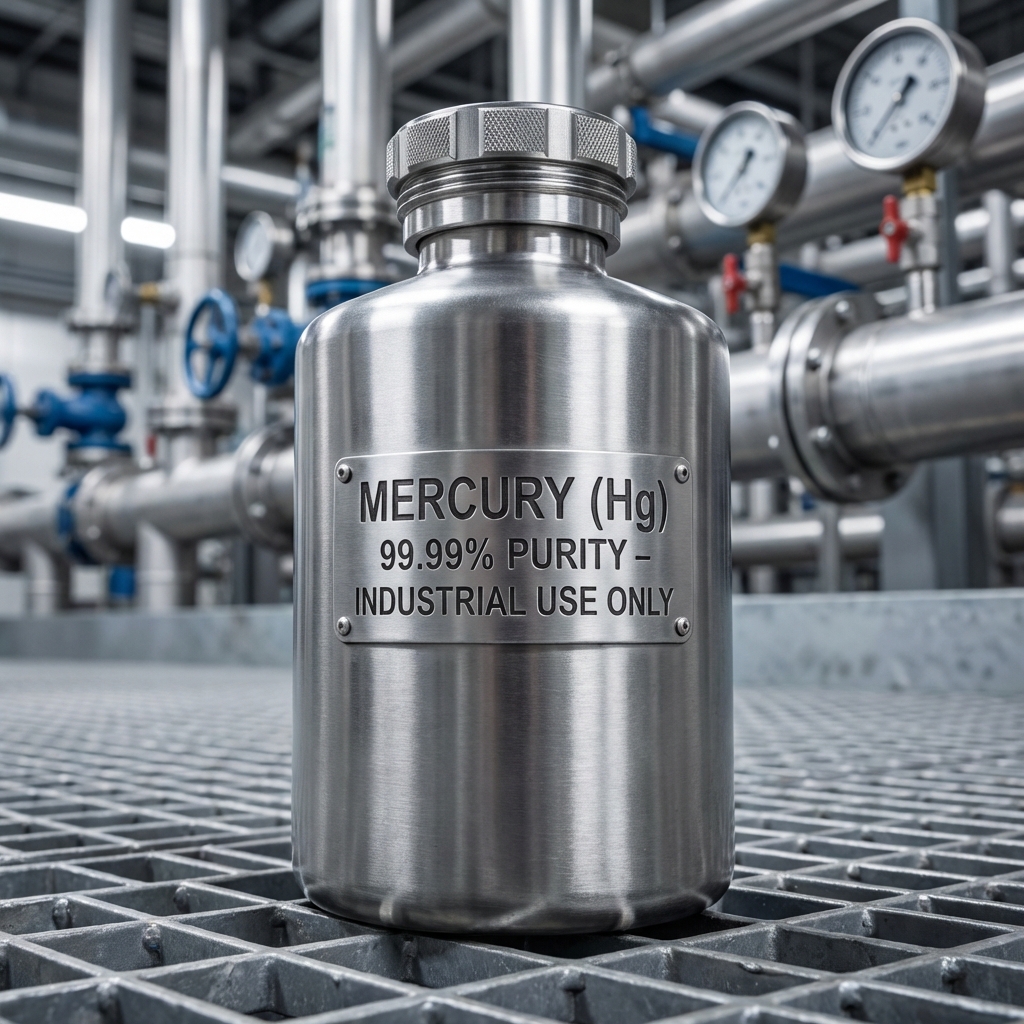
The Economics of Silver Mercury Prices: A Comprehensive Guide
Introduction
Silver mercury, also known as elemental or liquid mercury, has been an essential industrial and scientific commodity for centuries. Its unique physical and chemical properties—such as high density, conductivity, and a liquid state at room temperature—have made it invaluable in applications ranging from mining and manufacturing to healthcare and scientific research. However, mercury’s toxic nature, environmental risks, and regulatory scrutiny have increasingly shaped its global market and pricing dynamics.
Understanding the economic landscape of silver mercury is crucial for businesses, researchers, regulators, and investors involved in its trade or use. This article examines in detail the factors influencing silver mercury prices, historical and current trends, regulatory impacts, sourcing challenges, and the importance of working with reputable suppliers like Brand Chemical Supplies.
Table of Contents
- What is Silver Mercury?
- Historical Context and Uses
- Factors Influencing Silver Mercury Prices
- Global Supply and Demand
- Regulatory and Environmental Pressures
- Purity and Quality
- Logistics and Transportation
- Market Transparency
- Substitute Materials
- Historical and Current Price Trends
- Regional Price Differences
- The Impact of International Treaties and National Regulations
- Problems and Solutions in the Mercury Market
- Case Studies: Price Fluctuations and Market Responses
- Frequently Asked Questions (FAQ)
- The Role of Brand Chemical Supplies
- Conclusion
1. What is Silver Mercury?
Silver mercury, scientifically known as elemental mercury (Hg) or quicksilver, is the only metal that is liquid at standard temperature and pressure. Its silvery appearance and fluidity have made it a subject of fascination and utility for centuries. Mercury is primarily obtained as a by-product of mining cinnabar ore (mercury sulfide, HgS), though it can also be recovered from old equipment and recycled products.
2. Historical Context and Uses
Historically, silver mercury has played a crucial role in:
- Gold and silver mining: Used to amalgamate with precious metals for extraction.
- Scientific instruments: Thermometers, barometers, and other measurement devices.
- Medical and dental applications: Dental amalgams and some pharmaceuticals.
- Electrical and industrial uses: Switches, relays, and fluorescent lighting.
Due to its toxicity, many traditional uses have been phased out or replaced with safer alternatives. However, mercury remains important in specific industrial, analytical, and scientific contexts.
3. Factors Influencing Silver Mercury Prices
3.1 Global Supply and Demand
Supply Side
The global supply of mercury is influenced by:
- Primary mining: Mainly from countries like China and Kyrgyzstan.
- By-product recovery: From non-ferrous metal mining (e.g., gold, zinc).
- Recycling: Recovery from end-of-life products and industrial waste.
Any reduction in primary mining (due to regulation, depletion, or voluntary phase-out) can restrict supply and drive prices up. Conversely, increased recycling and recovery can stabilize or decrease prices.
Demand Side
Demand comes from:
- Artisanal and small-scale gold mining (ASGM): The largest global consumer, especially in developing regions.
- Manufacturing: For specific instruments, lighting, and chemical processes.
- Laboratory and research use: High-purity mercury remains in demand for analytical standards.
When gold prices rise, demand for mercury in ASGM increases, sometimes leading to sharp price spikes.
3.2 Regulatory and Environmental Pressures
Mercury is heavily regulated worldwide because of its risks to health and the environment.
- International treaties: The Minamata Convention on Mercury is a global treaty to reduce mercury pollution. Signatory countries must restrict mercury mining, trade, and use.
- National laws: Many countries have banned or restricted mercury import, export, and use, impacting both legal supply and demand.
Stringent regulations can lead to scarcity and higher prices, while also giving rise to black markets with unpredictable pricing.
3.3 Purity and Quality
- High-purity mercury (99.999%): Required for laboratory, pharmaceutical, and electronic applications, commanding premium prices.
- Industrial-grade mercury: Lower purity, used for less sensitive applications, costs less but may be subject to different regulatory requirements.
3.4 Logistics and Transportation
Mercury’s hazardous classification increases costs:
- Specialized packaging: To prevent leaks and contamination.
- Regulatory compliance: Shipping companies must follow strict rules, adding to expenses.
- Insurance: Higher premiums for hazardous materials.
These costs are passed on to buyers, affecting final market prices.
3.5 Market Transparency
Unlike gold or oil, mercury isn’t traded on global commodity exchanges. Instead, it’s sold through private contracts or specialist suppliers, resulting in:
- Price variability: Limited public pricing data.
- Negotiation: Prices often depend on quantity, purity, region, and buyer-seller relationships.
3.6 Substitute Materials
Many industries have phased out mercury in favor of safer, less regulated substitutes. This shift can suppress demand and soften prices, though some applications still have no viable alternatives.
4. Historical and Current Price Trends
Historical Context
- Early 20th century: Mercury was widely used and relatively inexpensive.
- Late 20th century: Increased awareness of toxicity led to tighter regulations and reduced demand in the West.
- 21st century: Price volatility increased due to fluctuating gold prices, regulatory crackdowns, and intermittent supply disruptions.
Current Price Range (as of 2024)
- Industrial-grade mercury: $50–$120 USD per kilogram.
- High-purity mercury: $150–$300 USD per kilogram.
- Bulk purchases: Lower per-unit pricing, but subject to negotiation and regulatory approval.
- Small quantities: Higher per-unit costs due to handling and shipping.
Note: Prices vary widely by supplier, region, and market conditions. Always verify current rates from trusted partners like Brand Chemical Supplies.
5. Regional Price Differences
Mercury prices are not uniform worldwide. Key regional influences include:
- Asia (notably China and India): Major sources of supply and demand; prices can be lower due to proximity to primary mining and processing.
- Africa and South America: High demand for ASGM, sometimes leading to higher local prices due to scarcity and regulatory barriers.
- Europe and North America: Strict regulations severely limit legal trade, pushing prices higher for permitted industrial and research use.
Smuggling and black-market activity in regions with strict controls can create further price divergence and unpredictability.
6. The Impact of International Treaties and National Regulations
The Minamata Convention
Adopted in 2013, this United Nations treaty aims to reduce mercury pollution globally. Key impacts include:
- Ban on new mercury mines.
- Phase-out of existing mines.
- Limits on mercury use in products and processes.
- Restrictions on international trade.
Signatory countries must comply, leading to reduced legal supply and, in some cases, increased prices.
National Legislation
Countries have implemented a patchwork of rules. For example:
- United States: The Mercury Export Ban Act and EPA regulations restrict mercury trade and use.
- European Union: The Mercury Regulation tightly controls mercury import, export, and use.
Companies and individuals must stay informed and compliant, or risk legal penalties and loss of access to the market.
7. Problems and Solutions in the Mercury Market
Problem 1: Price Volatility
- Cause: Fluctuating demand (especially from gold mining), supply disruptions, and regulatory changes.
- Solution: Work with experienced suppliers who can provide market insights and stable contracts. Brand Chemical Supplies offers price stability through bulk contracts and regular market updates.
Problem 2: Regulatory Hurdles
- Cause: Complex, shifting laws; international treaties; local permits.
- Solution: Stay informed about laws in your jurisdiction; partner with suppliers who provide compliance support and documentation.
Problem 3: Lack of Reliable Suppliers
- Cause: Many suppliers have left the market due to regulations, leading to scams and unreliable sources.
- Solution: Choose established, reputable companies like Brand Chemical Supplies, who offer verified purity, legal documentation, and customer support.
Problem 4: Shipping and Handling Risks
- Cause: Mercury’s hazardous nature requires special logistics.
- Solution: Use suppliers with proven track records in safe packaging and transport. Always confirm insurance and compliance with international shipping standards.
Problem 5: Black Market Activity
- Cause: Scarcity and high prices in regulated markets.
- Solution: Avoid illegal purchases; the risks outweigh the cost savings. Legal suppliers like Brand Chemical Supplies ensure all transactions are above board.
8. Case Studies: Price Fluctuations and Market Responses
Case Study 1: Gold Price Spike Drives Mercury Demand
In 2020–2021, rising gold prices led to a surge in artisanal mining in Africa and South America. Demand for mercury soared, causing local shortages and price increases of up to 50% in some markets. Regulatory crackdowns attempted to curb illegal mercury trade, but black market activity increased, leading to further volatility.
Case Study 2: Regulatory Crackdown in the EU
After the European Union introduced stricter mercury regulations in 2017, legal supply tightened. Prices for high-purity mercury rose, and some industries had to seek alternative materials or import from compliant suppliers outside the EU. Companies with established relationships with reliable suppliers weathered the transition more smoothly.
Case Study 3: Supplier Reliability During COVID-19
During the COVID-19 pandemic, disruptions in global shipping affected all hazardous materials, including mercury. Companies that had advance contracts with reputable suppliers like Brand Chemical Supplies experienced fewer delays and more stable pricing, while those relying on spot purchases faced shortages and price surges.
9. Frequently Asked Questions (FAQ)
Q1: Can I buy mercury without a license?
A: Most countries require a license for purchase, transport, or use of mercury, especially in bulk. Always check local laws and work with suppliers who can guide you through compliance.
Q2: Why are mercury prices so volatile?
A: Prices are influenced by global demand (especially from gold mining), supply restrictions, regulatory changes, and logistical challenges.
Q3: How can I ensure the mercury I buy is pure and legal?
A: Buy only from reputable suppliers like Brand Chemical Supplies, who provide purity certification and full legal documentation.
Q4: What’s the difference between high-purity and industrial mercury?
A: High-purity mercury (99.999%) is used for sensitive scientific and electronic applications and costs more. Industrial mercury may have lower purity and is used for less critical processes.
Q5: Is it safe to ship mercury internationally?
A: Yes, if all hazardous material regulations are followed. Only work with suppliers experienced in international shipping and compliance.
Q6: What should I do if regulations change after I’ve purchased mercury?
A: Stay in touch with your supplier and local authorities; they can advise on storage, use, or legal disposal as laws evolve.
Q7: Can mercury be recycled?
A: Yes, mercury is often recovered from old equipment and recycled for reuse, which can help stabilize supply and prices.
10. The Role of Brand Chemical Supplies
In a market as complex and regulated as silver mercury, working with a reliable supplier is critical. Brand Chemical Supplies stands out for several reasons:
- Bulk Mercury Supply: They offer both high-purity and industrial-grade mercury in bulk quantities at competitive prices.
- Compliance Support: Assistance with licensing, documentation, and staying up-to-date on international and national regulations.
- Purity Guarantee: Certification of 99.999% purity available for laboratory and sensitive industrial applications.
- Safe Logistics: Expertise in packaging, insurance, and transportation of hazardous materials worldwide.
- Customer Service: Responsive support for questions, problems, and guidance through every step of the purchasing process.
By choosing Brand Chemical Supplies, you ensure not just access to high-quality mercury, but also a smooth, legal, and safe transaction from start to finish.
11. Conclusion
The economics of silver mercury are shaped by a complex interplay of supply, demand, regulation, logistics, and market transparency. As global attention continues to focus on environmental protection and safe chemical handling, the mercury market will remain tightly controlled and subject to rapid change.
For businesses and professionals who require mercury, navigating this landscape requires diligence, up-to-date knowledge, and trusted partners. By understanding the factors that influence mercury prices and working with reputable, compliant suppliers like Brand Chemical Supplies, you can ensure reliable access to the material you need—safely, legally, and at a fair price.
For inquiries about current pricing, bulk orders, or compliance support, contact Brand Chemical Supplies—your trusted partner in silver mercury sourcing.
This guide is intended for informational purposes. For specific legal or regulatory advice, consult the appropriate authorities or a qualified compliance expert.