 +27 (0) 83 279 8073 (Faster Response)
  info@brandchemicalsupplies.co.za
Top Chemicals Used in Cleaning and Sanitation in South Africa
- Introduction
- Importance of cleaning and sanitation
- The South African context: public health, industry, and regulations
- Overview of chemical usage in cleaning
- The Role of Chemicals in Effective Cleaning and Sanitation
- Difference between cleaning, sanitizing, and disinfecting
- Why chemicals are essential
- Safety and environmental considerations
- Overview of Key Chemicals Used in South Africa
- Regulatory framework (SABS, NRCS, Department of Health)
- Market trends and common brands
- Detailed Profiles of Top Chemicals
- Sodium Hypochlorite (Bleach)
- How it works, uses, safety
- Quaternary Ammonium Compounds (Quats)
- Applications, advantages, limitations
- Hydrogen Peroxide
- Efficacy, eco-friendliness, uses
- Alcohols (Ethanol, Isopropanol)
- Hand sanitizers, surface disinfection
- Chlorine Dioxide
- Water treatment, industrial use
- Peracetic Acid
- Food industry, healthcare
- Sodium Hydroxide (Caustic Soda)
- Industrial cleaning, safety concerns
- Ammonia
- Glass and surface cleaning
- Detergents and Surfactants
- How they work, synergy with disinfectants
- Phenolic Compounds
- Healthcare-specific applications
- Sodium Hypochlorite (Bleach)
- Chemical Selection by Sector
- Household cleaning
- Industrial and commercial cleaning
- Food processing and hospitality
- Healthcare and hospitals
- Safety, Handling, and Environmental Impact
- Proper storage and handling
- PPE and first aid
- Environmental regulations and sustainable alternatives
- Frequently Asked Questions (FAQs)
- What is the most effective disinfectant in SA?
- Are natural or green alternatives viable?
- How to choose the right chemical for your needs?
- Conclusion
- Recap of key points
- The future of cleaning chemicals in South Africa
Top Chemicals Used in Cleaning and Sanitation in South Africa
Introduction
Cleaning and sanitation are critical for maintaining health and safety in homes, workplaces, healthcare facilities, and public spaces. In South Africa, where diverse climates and industries converge, the demand for effective cleaning solutions is ever-present. From combating pathogens in hospitals to ensuring food safety in restaurants and processing plants, the right cleaning and sanitizing chemicals play a pivotal role.
The COVID-19 pandemic underscored the importance of proper hygiene, making the selection and use of effective cleaning chemicals more crucial than ever. Regulatory bodies such as the South African Bureau of Standards (SABS), the National Regulator for Compulsory Specifications (NRCS), and the Department of Health set rigorous standards for chemical use in cleaning products to safeguard public health and the environment.
This article explores the top chemicals used for cleaning and sanitation in South Africa, their applications, and best practices for safety and environmental responsibility.
The Role of Chemicals in Effective Cleaning and Sanitation
Cleaning, sanitizing, and disinfecting are often used interchangeably, but they refer to different processes:
- Cleaning removes visible dirt, dust, and debris from surfaces using water and detergents.
- Sanitizing reduces the number of bacteria on surfaces to safe levels, typically as determined by public health standards.
- Disinfecting destroys or inactivates most pathogens (bacteria, viruses, fungi) on surfaces.
For maximum effectiveness, cleaning is generally performed before sanitizing or disinfecting, as organic matter can shield microorganisms from chemical action.
Why Are Chemicals Essential?
Physical cleaning alone cannot always remove or destroy harmful microorganisms. Chemicals provide the necessary antimicrobial action to ensure surfaces are safe and hygienic. The choice of chemical depends on the type of surface, the level of disinfection required, and the risk of contamination.
Safety and Environmental Considerations
While chemicals are effective, their misuse can pose risks to human health and the environment. Proper handling, storage, and disposal are critical. Increasingly, there is also a shift toward environmentally friendly (“green”) alternatives in line with global and local sustainability goals.
Overview of Key Chemicals Used in South Africa
South Africa’s cleaning and sanitation industry is regulated to ensure public and environmental safety. The SABS, NRCS, and the Department of Health provide guidelines and certifications for cleaning chemicals, especially those used in sensitive environments like food processing and healthcare.
The most commonly used chemicals in the country include:
- Sodium hypochlorite (bleach)
- Quaternary ammonium compounds (quats)
- Hydrogen peroxide
- Alcohols (ethanol, isopropanol)
- Chlorine dioxide
- Peracetic acid
- Sodium hydroxide (caustic soda)
- Ammonia
- Detergents and surfactants
- Phenolic compounds
Several reputable brands and suppliers operate in South Africa, offering both traditional and eco-friendly options.
Detailed Profiles of Top Chemicals
1. Sodium Hypochlorite (Bleach)
Overview:
Sodium hypochlorite, commonly known as bleach, is a powerful disinfectant and sanitizer used worldwide. It is especially prevalent in South Africa due to its effectiveness and affordability.
Applications:
- Disinfecting surfaces in homes, hospitals, and public spaces
- Treating drinking water and swimming pools
- Laundry and stain removal
How It Works:
Sodium hypochlorite releases chlorine, which destroys a wide range of pathogens by breaking down cell walls and disrupting cellular processes.
Safety Considerations:
- Corrosive to metals and can damage fabrics if used at high concentrations.
- Can produce toxic fumes if mixed with acids or ammonia.
- Must be handled with gloves and in well-ventilated areas.
Environmental Impact:
- Biodegrades into salt and water, but excessive use can contribute to water pollution.
2. Quaternary Ammonium Compounds (Quats)
Overview:
Quats are a group of chemicals widely used as disinfectants and sanitizers, particularly in healthcare, hospitality, and food service settings.
Applications:
- Disinfecting floors, walls, and equipment
- Used in wipes and sprays for surfaces
Advantages:
- Non-corrosive and less irritating than bleach
- Effective against a broad spectrum of microbes
Limitations:
- Can be inactivated by organic matter (dirt, grease)
- May cause skin irritation with prolonged contact
3. Hydrogen Peroxide
Overview:
Hydrogen peroxide is a versatile disinfectant and bleaching agent. It is environmentally friendly, breaking down into water and oxygen.
Applications:
- Disinfecting medical instruments
- Surface sanitation in food processing
- Wound cleaning (at lower concentrations)
Benefits:
- Leaves no toxic residues
- Effective against bacteria, viruses, and fungi
Safety Tips:
- High concentrations can cause skin burns and eye damage
- Store in opaque containers away from light
4. Alcohols (Ethanol, Isopropanol)
Overview:
Alcohol-based sanitizers and disinfectants are widely used, especially since the COVID-19 pandemic.
Applications:
- Hand sanitizers (at 60–70% concentration)
- Surface disinfection in homes, offices, and clinics
How They Work:
Alcohol denatures proteins and disrupts cell membranes, rapidly killing bacteria and viruses.
Precautions:
- Highly flammable, must be kept away from heat sources
- Can cause skin dryness and irritation with frequent use
5. Chlorine Dioxide
Overview:
Chlorine dioxide is a potent disinfectant used in water treatment and industrial sanitation.
Applications:
- Disinfecting drinking water and wastewater
- Sanitizing food and beverage processing equipment
Benefits:
- Effective at low concentrations
- Less corrosive than chlorine
Cautions:
- Must be generated on-site as it is unstable in storage
- Toxic if inhaled or ingested in concentrated form
6. Peracetic Acid
Overview:
Peracetic acid is a strong oxidizer used in the food industry and healthcare for sterilizing equipment and surfaces.
Applications:
- Sanitizing food contact surfaces
- Disinfecting medical devices
Advantages:
- Rapid action and broad-spectrum efficacy
- Breaks down into acetic acid (vinegar) and oxygen
Safety:
- Corrosive and can irritate skin, eyes, and respiratory tract
- Use with appropriate PPE
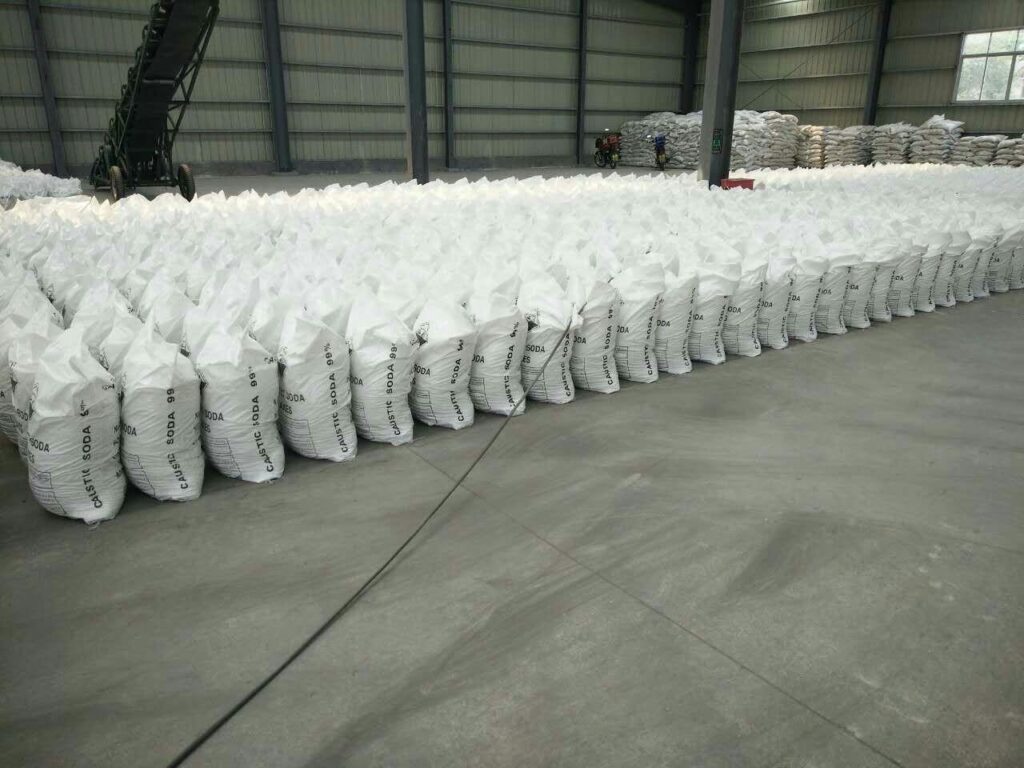
7. Sodium Hydroxide (Caustic Soda)
Overview:
Sodium hydroxide is a powerful alkaline cleaner used mainly for heavy-duty industrial cleaning.
Applications:
- Degreasing equipment in factories
- Unblocking drains
Benefits:
- Highly effective at removing grease and organic deposits
Risks:
- Extremely corrosive; can cause severe burns
- Reactive with acids and certain metals
8. Ammonia
Overview:
Ammonia is a common ingredient in glass and surface cleaners.
Applications:
- Cleaning windows, mirrors, and stainless steel
- Removing grime from surfaces
Cautions:
- Strong fumes can irritate eyes, nose, and lungs
- Never mix with bleach due to toxic chloramine gas formation
9. Detergents and Surfactants
Overview:
Detergents and surfactants are the backbone of most cleaning products, helping to remove dirt, grease, and organic matter.
Applications:
- General-purpose cleaning
- Pre-cleaning before disinfection
Types:
- Anionic, cationic, non-ionic, and amphoteric surfactants for different cleaning needs
Synergy:
- Enhance the effectiveness of disinfectants by removing debris
10. Phenolic Compounds
Overview:
Phenolics are effective disinfectants, especially in healthcare and institutional settings.
Applications:
- Disinfecting surfaces in hospitals and labs
Benefits:
- Persistent antimicrobial activity
Drawbacks:
- Can be toxic to humans and animals if misused
- Not recommended for food contact surfaces
Chemical Selection by Sector
Household Cleaning
In South African homes, sodium hypochlorite, alcohol-based cleaners, ammonia, and detergent-based products are most common. These are cost-effective and suitable for everyday cleaning tasks such as kitchen and bathroom sanitation, laundry, and surface disinfection.
Industrial and Commercial Cleaning
Industries and commercial establishments (offices, malls, factories) often require quats, hydrogen peroxide, and chlorine dioxide for their broad-spectrum efficacy and suitability for large-scale cleaning.
Food Processing and Hospitality
The food industry must adhere to strict hygiene standards, making peracetic acid, quats, and chlorine dioxide popular choices for sanitizing food contact surfaces and equipment.
Healthcare and Hospitals
Hospitals rely on quats, phenolics, hydrogen peroxide, and sodium hypochlorite for disinfecting surfaces, medical equipment, and high-touch areas to control infections.
Safety, Handling, and Environmental Impact
While these chemicals are effective, improper use can lead to health hazards. Here are some best practices for safe handling:
- Always read and follow manufacturer instructions.
- Use Personal Protective Equipment (PPE) such as gloves, goggles, and masks.
- Store chemicals in their original containers away from children and pets.
- Ventilate areas during and after cleaning.
- Dispose of unused chemicals and containers responsibly, following local regulations.
Environmental Considerations:
Many conventional cleaning chemicals can pollute water sources and harm aquatic life if not managed properly. South Africa is seeing a rise in eco-friendly options, such as plant-based detergents and hydrogen peroxide-based products, which reduce environmental impact.
Frequently Asked Questions (FAQs)
1. What is the most effective disinfectant in South Africa?
Sodium hypochlorite (bleach) is one of the most effective and widely used disinfectants for general purposes. However, for specialized needs, quats, hydrogen peroxide, and peracetic acid are also highly effective.
2. Are natural or green alternatives viable?
Yes. Many South African manufacturers now offer eco-friendly cleaning products that use biodegradable surfactants and plant-based ingredients. While these may be less potent than chemical disinfectants, they are suitable for general cleaning and low-risk environments.
3. How do I choose the right chemical for my needs?
Consider the type of surface, the level of contamination risk, and any sensitivities (e.g., allergies, environmental concerns). Always follow sector-specific guidelines and regulations.
Conclusion
Cleaning and sanitation are vital for health, safety, and productivity in South Africa. The top chemicals used—ranging from sodium hypochlorite and quats to hydrogen peroxide and peracetic acid—each offer unique benefits and applications. By understanding their properties and observing proper safety and environmental practices, individuals and organizations can maintain high standards of hygiene while protecting both people and the planet.