 +27 (0) 83 279 8073 (Faster Response)
  info@brandchemicalsupplies.co.za
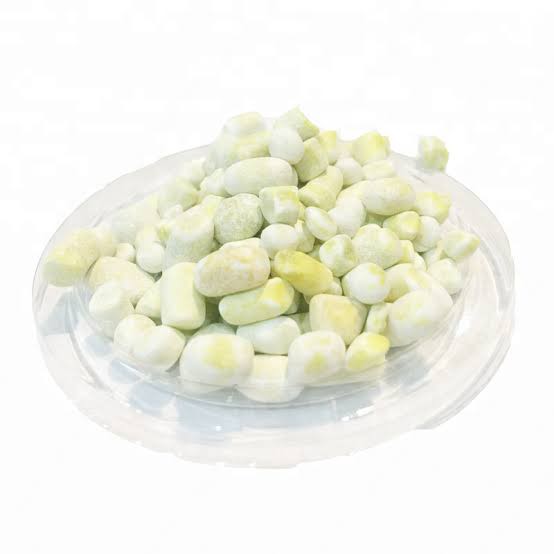
What Are Xanthates Chemical and How to Buy Xanthates: The Ultimate Guide for Chemical Supplies
Introduction
In the world of industrial chemicals, xanthates occupy a unique and vital niche, especially within the mining sector. If you’re searching for a comprehensive guide on “what are xanthates” and “how to buy xanthates,” you’ve come to the right place. This in-depth article, brought to you by Brand Chemical Supplies, provides everything you need to know about xanthates, their uses, properties, safety, and the best practices for procurement. Whether you’re a mining engineer, a procurement manager, or a researcher, this guide will help you make informed decisions and find the best xanthate suppliers.
Table of Contents
- What Are Xanthates?
- History and Development of Xanthates
- Chemical Structure and Types of Xanthates
- Industrial Applications of Xanthates
- Benefits and Advantages of Using Xanthates
- Safety, Handling, and Storage Guidelines
- Environmental Impact and Sustainability
- How to Choose the Right Xanthate for Your Application
- How to Buy Xanthates: Step-by-Step Guide
- Why Buy Xanthates from Brand Chemical Supplies?
- Frequently Asked Questions (FAQ) About Xanthates
- Conclusion
1. What Are Xanthates?
Xanthates are a group of organosulfur compounds widely used as flotation agents in the mining industry. Their primary function is to act as collectors in the froth flotation process, helping to separate valuable minerals such as gold, copper, and zinc from ore. The term “xanthate” comes from the Greek word “xanthos,” meaning yellow, which refers to the yellow color of many xanthate salts.
Key Features of Xanthates
- Organosulfur Compounds: Xanthates contain both carbon and sulfur atoms.
- Froth Flotation Collectors: Essential in mineral processing.
- Variety of Types: Multiple alkyl and aryl derivatives for specialized uses.
Xanthates are typically produced by reacting alcohols with carbon disulfide in the presence of an alkali. The resulting compounds are salts, commonly sodium or potassium xanthates, each with distinct properties and applications.
2. History and Development of Xanthates
Xanthates were first synthesized in the 19th century, but their industrial use became widespread in the early 20th century with the advent of modern mineral processing techniques. The flotation process, enabled by xanthates, revolutionized the mining industry by allowing for the efficient extraction of metals from low-grade ores.
3. Chemical Structure and Types of Xanthates
Chemical Structure
The general chemical formula for xanthates is ROCS₂M, where:
- R = Alkyl or aryl group (such as ethyl, isopropyl, or butyl)
- M = Metal ion (typically sodium or potassium)
Common Types of Xanthates
- Sodium Ethyl Xanthate (SEX)
- Sodium Isopropyl Xanthate (SIPX)
- Sodium Isobutyl Xanthate (SIBX)
- Potassium Amyl Xanthate (PAX)
- Potassium Ethyl Xanthate (PEX)
Each type of xanthate has specific properties and is chosen based on ore type, desired selectivity, and processing conditions.
4. Industrial Applications of Xanthates
Mining and Mineral Processing
The most significant use of xanthates is as collectors in the froth flotation process. Xanthates selectively bind to the surface of metal sulfide minerals, making them hydrophobic and enabling their separation from gangue material.
Other Applications
- Pulp and Paper Industry: As bleaching agents.
- Rubber Industry: As accelerators in vulcanization.
- Organic Synthesis: As intermediates in chemical reactions.
- Pharmaceuticals: Research and development.
5. Benefits and Advantages of Using Xanthates
- High Selectivity: Targeted recovery of specific minerals.
- Cost-Effective: Enhances yield from low-grade ores.
- Versatile: Available in various types for tailored solutions.
- Proven Performance: Decades of successful industrial use.
6. Safety, Handling, and Storage Guidelines
Safety Precautions
- Protective Equipment: Always use gloves, goggles, and masks when handling xanthates.
- Ventilation: Work in well-ventilated areas to avoid inhalation of dust or fumes.
- Spill Management: Use appropriate absorbents and dispose of waste according to local regulations.
Storage Recommendations
- Cool, Dry Places: Store in sealed containers away from moisture.
- Segregation: Keep away from acids and oxidizing agents.
- Labeling: Ensure all containers are clearly labeled with hazard warnings.
7. Environmental Impact and Sustainability
Xanthates, like many industrial chemicals, can have environmental impacts if not handled properly. It’s crucial to follow best practices for use, disposal, and spill prevention. Brand Chemical Supplies is committed to sustainable sourcing and offers guidance on safe disposal of xanthate-containing waste.
8. How to Choose the Right Xanthate for Your Application
Factors to Consider
- Mineral Type: Match xanthate type to target mineral.
- Process Conditions: Consider pH, temperature, and other reagents used.
- Selectivity Needs: Balance between recovery and purity.
- Supplier Support: Work with suppliers who offer technical assistance.
Consult with Brand Chemical Supplies for expert advice tailored to your specific process requirements.
9. How to Buy Xanthates: Step-by-Step Guide
1. Define Your Requirements
- Type and grade of xanthate needed
- Quantity and packaging size
- Delivery timeline
2. Research Reliable Suppliers
- Look for suppliers with proven track records, such as Brand Chemical Supplies.
- Check certifications, customer reviews, and product quality assurances.
3. Request Quotes and Samples
- Compare pricing, minimum order quantities, and shipping costs.
- Request product samples for testing if possible.
4. Evaluate Product Quality
- Review certificates of analysis (COA) and safety data sheets (SDS).
- Ensure compliance with industry standards.
5. Place Your Order
- Confirm payment terms, delivery schedules, and any after-sales support.
6. Arrange for Safe Delivery and Storage
- Coordinate with logistics teams to ensure safe handling.
- Prepare appropriate storage facilities.
10. Why Buy Xanthates from Brand Chemical Supplies?
Brand Chemical Supplies is a trusted global supplier of high-quality xanthates and other mining chemicals. Here’s why customers choose us:
- Quality Assurance: Rigorous quality controls and documentation.
- Technical Support: Expert advice and application guidance.
- Reliable Logistics: On-time delivery, worldwide shipping.
- Competitive Pricing: Transparent, market-driven pricing.
- Sustainability Commitment: Environmentally responsible sourcing and disposal advice.
11. Frequently Asked Questions (FAQ) About Xanthates
Q1: Are xanthates hazardous?
A: Yes, xanthates are classified as hazardous chemicals and require careful handling. Always follow safety guidelines and consult SDS.
Q2: Can I use xanthates in non-mining applications?
A: While most commonly used in mining, xanthates have niche uses in other industries such as rubber manufacturing and organic synthesis.
Q3: What is the shelf life of xanthates?
A: Xanthates are stable when stored properly in cool, dry conditions, typically up to 12 months from the date of manufacture.
Q4: How should xanthate spills be managed?
A: Contain the spill, use absorbents, and dispose of waste according to local regulations. Consult your supplier for specific instructions.
Q5: Does Brand Chemical Supplies offer technical support?
A: Absolutely. Our experts are available to assist with product selection, process optimization, and safety compliance.
12. Conclusion
Understanding what xanthates are and how to buy xanthates is essential for anyone involved in mineral processing or industrial chemical procurement. By partnering with a reputable supplier like Brand Chemical Supplies, you ensure product quality, safety, and reliable supply. Contact us today for quotes, samples, or expert advice on your next xanthate order.
Brand Chemical Supplies: Your Trusted Partner for Xanthates and Industrial Chemicals Worldwide