 +27 (0) 83 279 8073 | 021 569 5044 (Faster Response)
  info@brandchemicalsupplies.co.za
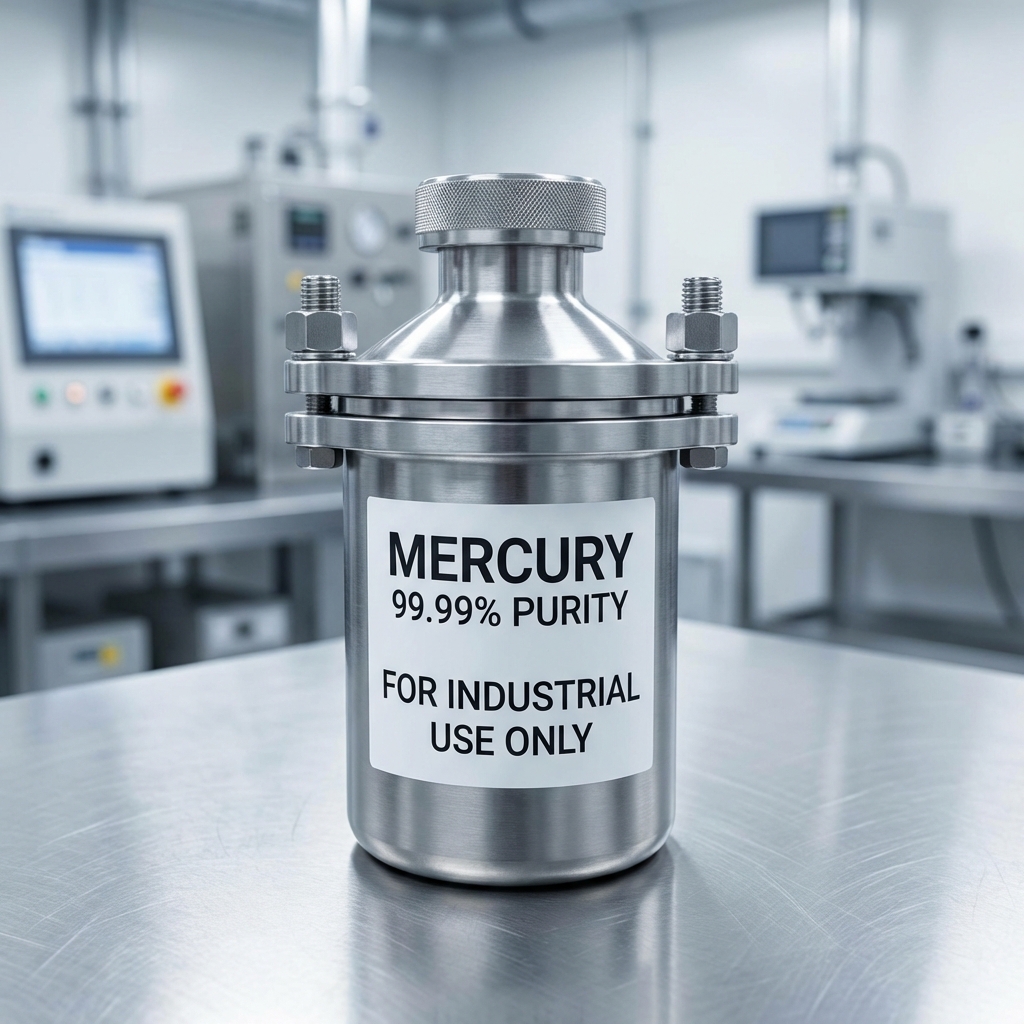
Industrial-Grade Liquid Mercury (99.9% Pure) in South Africa
Industrial-grade liquid mercury, renowned for its unique physical and chemical properties, remains an essential material across various sectors in South Africa. With a purity of 99.9%, this silver, metallic liquid is highly sought after in mining, electronics, chemical manufacturing, and scientific research. Despite its versatility and industrial importance, mercury is a hazardous substance that demands stringent handling, storage, and regulatory compliance.
This guide explores everything you need to know about sourcing, buying, and using industrial-grade liquid mercury in South Africa. Whether you’re an industrial user, miner, scientist, or procurement specialist, this article will address your questions and concerns, outline legal requirements, and provide guidance for safe and responsible use.
. What is Industrial-Grade Liquid Mercury?
Liquid mercury, also known as quicksilver, is the only metal that remains liquid at room temperature. Industrial-grade mercury refers to mercury with a minimum purity of 99.9%, ensuring reliability for critical applications.
Mercury’s distinctive characteristics include:
- High Density: At 13.534 g/cm³, it is one of the densest liquids.
- Electrical Conductivity: Widely used in switches and scientific instrumentation.
- Chemical Stability: Mercury does not react with most acids, making it valuable for specific chemical processes.
. Applications of Industrial-Grade Mercury in South Africa
a. Mining and Gold Extraction
South Africa’s rich history of gold mining has long relied on mercury’s amalgamation properties. In this process, liquid mercury forms an amalgam with gold, which can then be heated to evaporate mercury and recover pure gold. While environmental concerns have led to stricter controls, mercury remains crucial for certain artisanal and industrial mining operations.
b. Chemical Manufacturing
Mercury is used in the production of chlorine and caustic soda through the mercury-cell process. Its high purity is vital to ensure product consistency and safety in manufacturing operations.
c. Scientific and Laboratory Applications
High-purity mercury is indispensable in scientific research, calibration of instruments, thermometers, barometers, and laboratory analysis. Universities and research institutions procure certified mercury for controlled experiments and teaching.
d. Electronics and Instrumentation
Mercury’s ability to conduct electricity and remain liquid under normal conditions makes it valuable for use in electrical switches, relays, mercury-wetted relays, and certain types of sensors.
. Sourcing and Buying Liquid Mercury in South Africa
a. Choosing a Reliable Supplier
Due to the hazardous nature of mercury, it is critical to source it only from reputable chemical distributors with a proven safety record and regulatory compliance. Reputable suppliers offer:
- Certificates of Analysis (COA) verifying 99.9% purity
- Compliance with South African and international transport regulations
- Safe packaging in steel flasks or HDPE bottles
b. Packaging Options
Suppliers typically offer two main packaging solutions:
- Steel Flasks: Preferred for bulk transport and export, these provide excellent protection against leaks and spills.
- HDPE Bottles: Used for smaller laboratory quantities, these are chemically resistant and comply with safety standards for hazardous materials.
c. How to Request a Quote
When requesting a quote:
- Specify the required purity (99.9%), quantity (e.g., 2 x 1L), and intended use.
- Confirm packaging preferences (steel flask or HDPE bottle).
- Provide delivery details and any required permits.
- Request documentation such as the COA, MSDS (Material Safety Data Sheet), and transport certificates.
. Legal and Regulatory Considerations
a. Is it Legal to Buy Mercury in South Africa?
Yes, but mercury is classified as a hazardous and controlled substance. Purchase, possession, and use are regulated under South African law and international treaties such as the Minamata Convention. Buyers must:
- Obtain proper permits from relevant authorities (e.g., Department of Environmental Affairs)
- Use mercury only for approved industrial or scientific purposes
- Ensure that all handling, storage, and disposal practices meet safety standards
b. Import and Export Regulations
Importing mercury into South Africa requires official documentation and customs clearance. Work with suppliers familiar with global shipping of hazardous materials to streamline the process.
. Safety Precautions and Handling of Mercury
Industrial-grade mercury is highly toxic and must be handled with extreme care to avoid health risks and environmental contamination.
a. Personal Protective Equipment (PPE)
- Wear nitrile or PVC gloves, protective goggles, and lab coats.
- Use appropriate respiratory protection if vapor exposure is possible.
b. Safe Handling Practices
- Work in well-ventilated areas or fume hoods.
- Avoid direct contact with skin or inhalation of vapors.
- Never use mercury near open flames or high temperatures.
c. Storage Guidelines
- Store mercury in tightly sealed containers (steel flask or HDPE bottle).
- Keep containers in a cool, dry, and well-ventilated area, away from incompatible substances.
- Clearly label all mercury containers and keep accurate inventory records.
d. Spill and Disposal Procedures
- Mercury spills should be cleaned up immediately using appropriate kits and procedures.
- Never dispose of mercury down the drain or in regular waste.
- Follow all local and national regulations for hazardous waste disposal.
. Signs and Physical Properties Table
| Property | Description |
|---|---|
| Appearance | Silver, metallic liquid |
| Purity | 99.9% (industrial grade) |
| Density | 13.534 g/cm³ |
| Boiling Point | 356.7°C |
| Melting Point | -38.83°C |
| Odor | Odorless |
| Packaging Options | Steel flasks, HDPE bottles |
. Frequently Asked Questions (FAQ)
Q1: Is it legal to buy liquid mercury in South Africa?
A1: Yes, with proper permits and for approved uses. Mercury is regulated, and buyers must comply with all legal requirements.
Q2: What is industrial-grade mercury used for?
A2: Gold mining, chemical manufacturing, scientific research, and electrical equipment.
Q3: How is mercury packaged and shipped?
A3: Mercury is typically packaged in steel flasks for bulk and HDPE bottles for lab quantities, both designed to prevent leaks.
Q4: What are the main safety hazards of mercury?
A4: Mercury is toxic. Vapor inhalation or skin absorption can cause severe health issues. Handle only with PPE and follow safety protocols.
Q5: Can I import mercury into South Africa?
A5: Yes, but importation is strictly regulated. Permits and proper documentation are mandatory.
. Common Problems and Solutions
Problem 1: Difficulty finding reputable suppliers
Solution: Seek established chemical distributors with compliance certification and a track record in hazardous materials.
Problem 2: Regulatory hurdles for purchase and import
Solution: Consult with South African authorities and ensure you have all required permits and documentation before buying.
Problem 3: Handling and storage risks
Solution: Use certified containers, store in secure, ventilated areas, and provide staff training on mercury safety.
Problem 4: Risk of contamination or impure product
Solution: Only purchase from suppliers who provide a Certificate of Analysis for 99.9% pure mercury.
. Focus Keywords
- Industrial-grade liquid mercury South Africa
- 99.9% pure mercury supplier
- Buy liquid mercury South Africa
- Mercury for gold mining South Africa
- Industrial mercury distributor SA
liquid mercury, industrial-grade, 99.9% pure, South Africa, mercury supplier, mining chemicals, gold extraction, chemical distributor, hazardous materials, mercury safety
Conclusion
Industrial-grade liquid mercury (99.9% pure) is a vital resource for many sectors in South Africa. Its unique properties make it indispensable for mining, chemical processes, research, and manufacturing. However, due to its toxicity and environmental impact, strict regulations govern its use and distribution.
For safe, legal, and reliable sourcing of industrial-grade liquid mercury in South Africa, always choose certified suppliers, follow all regulatory requirements, and implement best safety practices. By doing so, you ensure the health of your team, compliance with the law, and the protection of the environment.
If you need a quotation, packaging details, or further guidance, contact a trusted industrial chemical distributor who can offer expertise, documentation, and dependable service.