 +27 (0) 83 279 8073 | 021 569 5044 (Faster Response)
  info@brandchemicalsupplies.co.za
Buyer’s Guide to Silver Mercury: Sourcing, Applications, Safety, and Supplier Selection
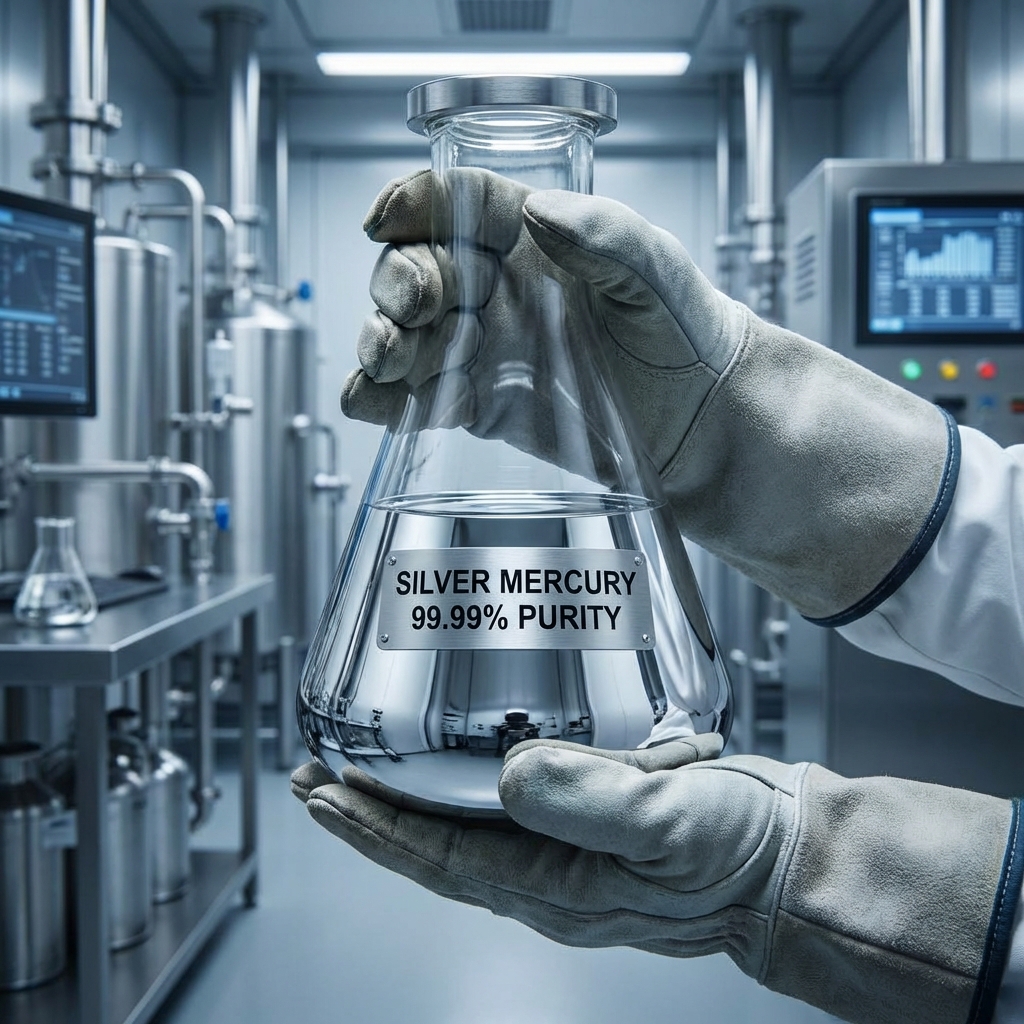
Silver mercury, also known as quicksilver or simply mercury (chemical symbol Hg), is a heavy, silvery liquid metal used in a range of industrial and scientific applications. When referenced as “silver mercury,” the term typically refers to high-purity elemental mercury, which appears silvery-white in color. This detailed buyer’s guide explores how to responsibly source silver mercury, its key uses, pricing factors, safety and regulatory considerations, and how to select a reliable industrial supplier.
What is Silver Mercury?
Silver mercury is elemental mercury in its pure form, with a shiny, silver appearance. It is unique among metals for being liquid at room temperature, highly dense, and capable of forming amalgams with other metals. Silver mercury is highly toxic and regulated in most countries, so sourcing it requires attention to legal and safety protocols.
Key Applications of Silver Mercury
- Mining and Metallurgy: Traditionally used to extract gold and silver from ore by forming amalgams. While this use is declining due to environmental concerns, it remains prevalent in some regions.
- Scientific Instruments: Found in thermometers, barometers, manometers, and laboratory reference electrodes, though many devices are now mercury-free.
- Dental Amalgams: Used to create dental fillings by combining mercury with other metals such as silver and tin. Its use is decreasing in favor of non-mercury alternatives.
- Chemical Synthesis: Acts as a catalyst in some chemical reactions and in the production of chlorine and caustic soda.
- Electronics: Utilized in certain switches, relays, and rectifiers due to its conductivity and reliability.
- Other Industrial Uses: Includes fluorescent lighting and some specialty medical equipment.
Sourcing Silver Mercury: Steps and Considerations
1. Legal and Regulatory Compliance
- Check Local Laws: Many countries restrict or ban the trade, import, and use of mercury due to its toxicity and environmental risks. Confirm that your intended application is legal and obtain any required permits before making a purchase.
- Supplier Credentials: Only source mercury from suppliers authorized and certified to handle and distribute hazardous materials.
2. Purity and Quality Assurance
- Purity Levels: High-purity mercury (99.99% or above) is typically required for scientific, medical, or industrial uses. Always request a Certificate of Analysis (CoA) from your supplier confirming purity and absence of contaminants.
- Packaging: Mercury should be supplied in sealed, corrosion-resistant containers—flasks, bottles, or drums—that meet international hazardous materials standards (UN-approved packaging).
3. Responsible Supplier Selection
- Reputation: Choose established suppliers with a proven track record in the chemical industry, such as Brand Chemical Supplies or other reputable chemical distributors.
- Documentation: Reliable suppliers will provide Safety Data Sheets (SDS), CoAs, and guidance on safe handling, storage, and disposal.
- Customer Support: Opt for suppliers willing to assist with regulatory paperwork, safe shipping arrangements, and technical questions.
4. Pricing and Order Quantities
- Price Factors: Mercury pricing varies based on purity, packaging, order volume, market demand, and transportation costs. Obtain written quotes for comparison, specifying the quantity (grams, kilograms, or liters) and delivery location.
- Bulk Orders: Significant discounts are often available for larger purchases, but bulk handling increases safety and regulatory requirements.
Common Problems and Solutions
Problem: Difficulty finding legal, reputable sources of silver mercury.
- Solution: Use suppliers registered with chemical regulatory authorities and request all necessary compliance documentation.
Problem: High shipping costs due to hazardous classification.
- Solution: Plan bulk orders in advance to minimize shipping frequency and costs; select suppliers with experience in hazardous logistics.
Problem: Risk of contamination or receiving substandard quality.
- Solution: Always require a recent CoA, and consider independent testing for critical applications.
Problem: Regulatory delays or import restrictions.
- Solution: Begin paperwork early and stay updated on local and international mercury trade regulations.
Safety and Handling of Silver Mercury
- Personal Protection: Use chemical-resistant gloves, goggles, and work in well-ventilated areas. Mercury vapors are highly toxic.
- Spill Response: Have mercury spill kits available. Never use a vacuum cleaner—this can spread toxic vapors. Specialized materials and procedures are needed for cleanup.
- Storage: Store mercury in tightly sealed, labeled containers in a cool, secure location, away from heat and incompatible chemicals. Follow local regulations for hazardous materials storage.
- Disposal: Waste mercury and contaminated materials must be disposed of by licensed hazardous waste contractors—never down drains or with general waste.
Frequently Asked Questions
1. Is it legal to buy silver mercury for industrial or laboratory use?
Laws vary by country and application. In many cases, permits or special declarations are needed. Always check with local authorities and ensure your supplier is compliant.
2. What purity of mercury is required for most applications?
Most industrial and laboratory uses require mercury with a purity of 99.99% or higher. Applications with less stringent requirements may use lower-purity grades.
3. How is silver mercury packaged for shipping?
Mercury is shipped in sealed, UN-approved containers designed to prevent leakage. Packaging must be labeled as hazardous and accompanied by documentation.
4. What are alternatives to silver mercury?
Many industries are phasing out mercury in favor of safer alternatives (e.g., digital thermometers, electronic switches, resin-based dental fillings, cyanide-free gold extraction methods). Evaluate these options for your use case.
Conclusion
Silver mercury remains a critical material for specialized industrial, scientific, and legacy applications. However, its toxicity and the evolving regulatory landscape make responsible sourcing, use, and disposal more important than ever. When purchasing silver mercury, conduct thorough due diligence: verify your supplier’s credentials, insist on purity certification, ensure legal compliance, and prioritize safety at every stage—from storage and handling to eventual disposal.
For up-to-date pricing, regulatory guidance, and bulk supply options, contact trusted industrial chemical suppliers like Brand Chemical Supplies. Their expertise ensures your procurement of silver mercury is safe, legal, and tailored to your specific needs.