 +27 (0) 83 279 8073 | 021 569 5044 (Faster Response)
  info@brandchemicalsupplies.co.za
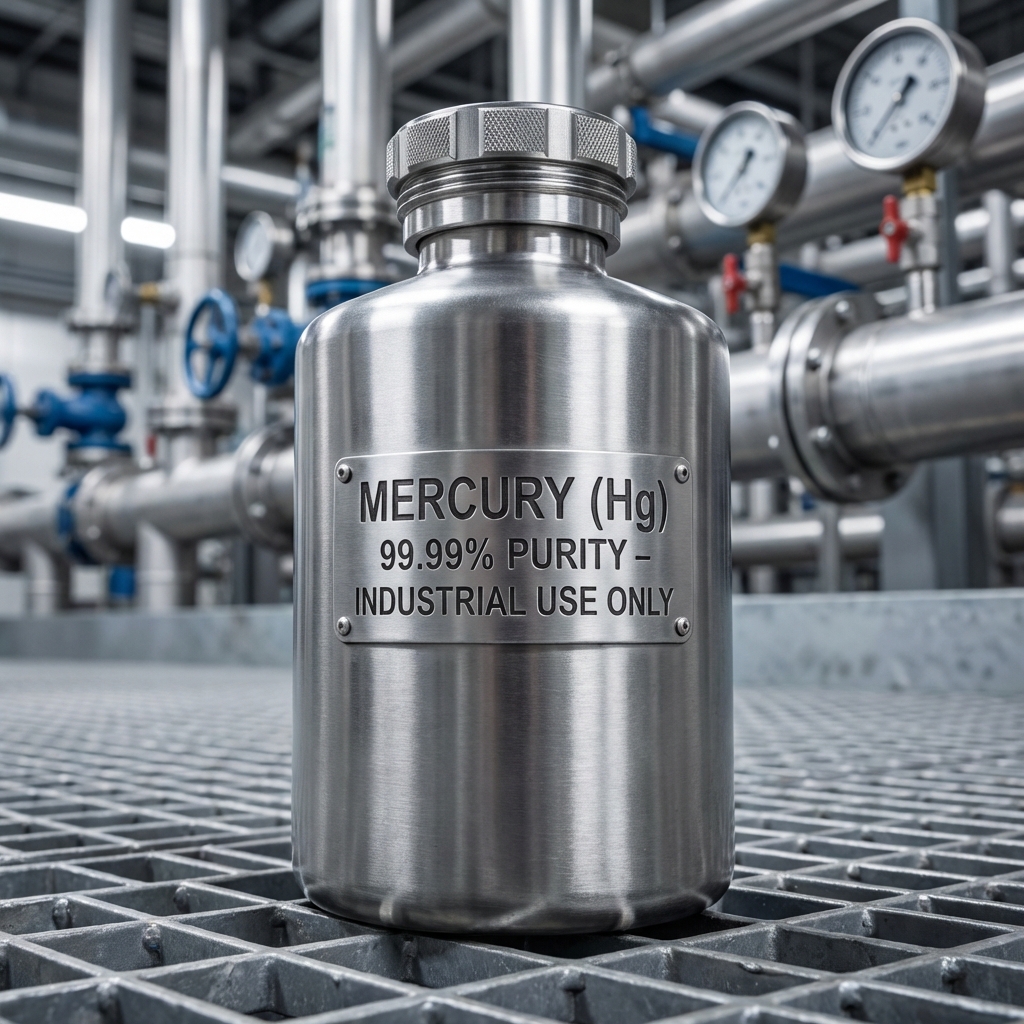
Mercury has a long and fascinating history in medical and scientific applications, dating back thousands of years. Its unique physical and chemical properties, such as being the only metal liquid at room temperature, high density, and ability to form amalgams, made it a valuable resource before its toxicity was fully understood. Here’s an overview of the key historical medical and scientific uses of mercury:
Historical Medical Uses of Mercury
1. Traditional Medicines:
Mercury was used in ancient civilizations, including China, India, and Egypt, as a component in various remedies. In traditional Chinese medicine, mercury compounds like cinnabar (mercury sulfide) were believed to have healing and longevity properties.
2. Syphilis Treatment:
During the Renaissance and well into the 19th century, mercury became a standard treatment for syphilis, a widespread and devastating sexually transmitted infection. Physicians used mercury ointments, pills, and vapor baths. The phrase “a night with Venus, a lifetime with Mercury” referenced the long, often toxic treatment process.
3. Laxatives and Diuretics:
Mercury-containing compounds, such as calomel (mercurous chloride), were widely used as laxatives and diuretics from the 17th through the 19th centuries. Calomel was a popular ingredient in many patent medicines and was prescribed for a variety of ailments, including constipation, teething pains in children, and even as a cure-all tonic.
4. Antiseptics and Disinfectants:
Mercury compounds like mercurochrome and merthiolate (thimerosal) became popular topical antiseptics in the early 20th century for treating wounds and preventing infections.
Historical Scientific Uses of Mercury
1. Thermometers and Barometers:
Mercury’s uniform expansion and high density made it the standard liquid in thermometers and barometers for centuries. These instruments were crucial in advancing meteorology and physics.
2. Scientific Instruments:
Beyond thermometers, mercury was used in manometers (to measure pressure), sphygmomanometers (for blood pressure), and other laboratory devices due to its stable liquid state and non-wetting properties with glass.
3. Electrical Applications:
Mercury’s excellent conductivity and liquid form allowed it to be used in electrical switches, relays, and rectifiers. Mercury arc lamps and mercury vapor lamps were important lighting sources in the early 20th century.
4. Gold and Silver Extraction:
Mercury’s ability to form amalgams with gold and silver was exploited in mining. The amalgamation process allowed miners to extract precious metals efficiently, though it led to significant environmental contamination.
5. Vaccine Preservation:
Thimerosal, a mercury-based compound, was introduced as a preservative in vaccines and other biological products in the 20th century to prevent bacterial and fungal contamination.
The Shift Away from Mercury
As the health risks of mercury exposure became better understood, its use in medicine and science declined. Mercury’s toxicity is now well-documented, linked to neurological and developmental disorders, kidney damage, and environmental harm. Safer alternatives have replaced mercury in most medical and scientific applications, but its historical role remains significant. The story of mercury highlights both the ingenuity and the evolving understanding of safety in medical and scientific progress.
historical uses of mercury, mercury in medicine, mercury in science, mercury thermometers, mercury antiseptics, amalgam, calomel, mercury toxicity, mercury vaccines, mercury mining