 +27 (0) 83 279 8073 | 021 569 5044 (Faster Response)
  info@brandchemicalsupplies.co.za
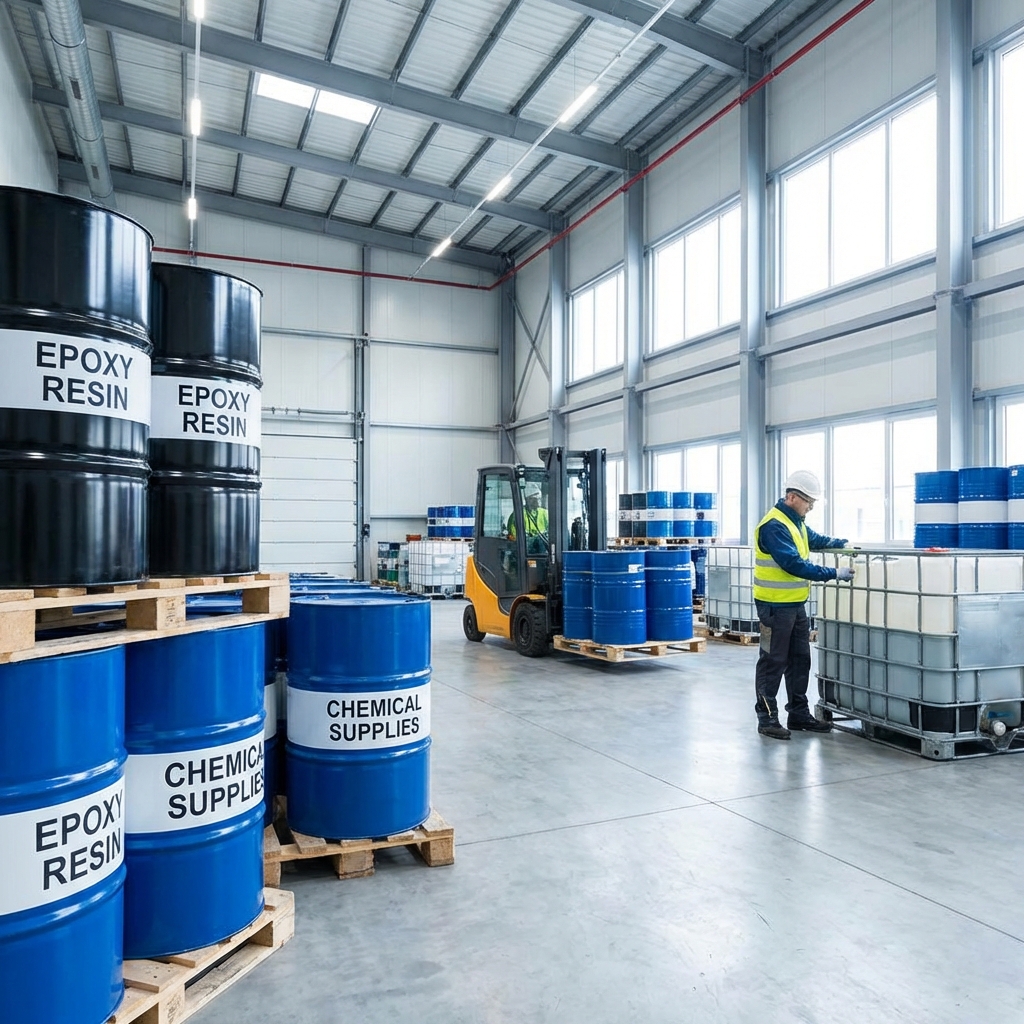
What Are the Three Types of Epoxy? Complete Guide by Brand Chemical Supplies
Epoxy resins have revolutionized industries worldwide, from construction and manufacturing to art and design. In South Africa, demand for epoxy products continues to grow, driven by their unmatched strength, versatility, and durability. If you’re exploring epoxy options for your next project, it’s vital to understand the three main types of epoxy, their unique properties, and the best supplier to trust—Brand Chemical Supplies. This comprehensive guide covers everything you need, from technical details to practical applications and expert tips for choosing the right epoxy.
Table of Contents
- Introduction to Epoxy Resins
- The Three Main Types of Epoxy
- Bisphenol A (BPA) Epoxy Resin
- Bisphenol F (BPF) Epoxy Resin
- Novolac Epoxy Resin
- Properties and Differences
- Applications of Each Epoxy Type
- How to Choose the Right Epoxy
- Why Buy from Brand Chemical Supplies?
- Common Problems and Troubleshooting
- Frequently Asked Questions (FAQ)
- Related Topics
- Conclusion
1. Introduction to Epoxy Resins
Epoxy resins are a family of synthetic thermosetting polymers known for their excellent mechanical, chemical, and adhesive properties. They are formed by reacting epichlorohydrin with different types of bisphenol or phenolic compounds. Once cured, epoxy forms a tough, durable material that can withstand harsh environments, making it indispensable in both industrial and creative applications.
Epoxy systems typically consist of two parts: a resin and a hardener. When mixed, they undergo a chemical reaction (polymerization) that results in a hard, rigid, and often glossy finish. Epoxy’s versatility allows it to be tailored for a wide range of uses, from structural adhesives and coatings to artistic designs and flooring systems.
2. The Three Main Types of Epoxy
Let’s explore the three primary types of epoxy resins, each with distinct characteristics and optimal uses:
2.1 Bisphenol A (BPA) Epoxy Resin
Bisphenol A-based epoxy is the most common type of resin. It is produced by reacting epichlorohydrin with bisphenol A. BPA epoxy resins offer an excellent balance of performance and cost-effectiveness.
Key Features:
- Good mechanical strength
- Excellent adhesion
- Chemical resistance
- Moderate viscosity (easy to handle)
- Widely used in coatings, adhesives, and composites
2.2 Bisphenol F (BPF) Epoxy Resin
Bisphenol F-based epoxy resins are similar to BPA epoxies but use bisphenol F in their formulation. This gives them several unique properties.
Key Features:
- Lower viscosity (flows more easily)
- Better chemical resistance (especially against acids)
- Improved mechanical properties at high temperatures
- Less tendency to crystallize at low temperatures
- Preferred for high-performance and specialty coatings
2.3 Novolac Epoxy Resin
Novolac epoxy resins are produced by reacting epichlorohydrin with phenol-formaldehyde novolac. These epoxies provide the highest chemical and thermal resistance among all types.
Key Features:
- Exceptional resistance to acids, alkalis, and solvents
- Withstands high temperatures (suitable for demanding environments)
- Higher cross-link density (stronger and more rigid)
- Higher viscosity (may require heating for application)
- Used in industrial coatings, linings, and electrical applications
3. Properties and Differences
Understanding the differences between these epoxy types helps you select the best product for your application.PropertyBisphenol A EpoxyBisphenol F EpoxyNovolac EpoxyViscosityModerateLowHighChemical ResistanceGoodBetterExcellentThermal ResistanceGoodBetterExcellentMechanical StrengthGoodVery GoodExcellentFlexibilityModerateGoodLowCostMost AffordableModeratePremium
- BPA Epoxy: The most versatile and economical choice for general use.
- BPF Epoxy: Ideal for high-performance or specialty coatings where chemical resistance and flow are critical.
- Novolac Epoxy: The go-to solution for maximum chemical and heat resistance, albeit at a higher cost and with more complex handling.
4. Applications of Each Epoxy Type
Bisphenol A Epoxy Applications
- Protective and decorative coatings (paints, varnishes)
- General-purpose adhesives
- Composite materials
- Flooring and construction
- Electrical encapsulation
- DIY and art projects
Bisphenol F Epoxy Applications
- High-performance coatings (tank linings, pipelines)
- Chemical-resistant flooring
- Structural adhesives for aerospace and automotive
- Electrical and electronic components
- Marine applications
Novolac Epoxy Applications
- Industrial tank linings (acid and solvent storage)
- Chimney and flue coatings
- High-temperature adhesives and composites
- Chemical processing plants
- Electrical insulation under extreme conditions
5. How to Choose the Right Epoxy
When selecting an epoxy resin, consider the following:
- Intended Application: What do you need the epoxy for—coating, bonding, casting, or art?
- Required Properties: Do you need chemical resistance, thermal stability, or flexibility?
- Application Method: Will you use a brush, roller, spray, or pour?
- Cure Time: How quickly do you need the epoxy to set?
- Budget Constraints: Some applications can use a cost-effective BPA epoxy, while others require the premium performance of Novolac.
- Supplier Support: Seek technical advice and product data sheets from your supplier.
Brand Chemical Supplies offers expert guidance to help you select the perfect epoxy system for your specific needs. Their product specialists can recommend the best formulation and provide detailed usage instructions.
6. Why Buy from Brand Chemical Supplies?
Brand Chemical Supplies is a leading epoxy resin supplier in South Africa, trusted by contractors, manufacturers, and artists alike. Here’s why you should choose them:
- Wide Product Range: From BPA and BPF to Novolac epoxies, they stock all major types and custom blends.
- Quality Assurance: All resins meet rigorous quality standards, backed by certificates of analysis.
- Expert Support: Get technical guidance, application tips, and troubleshooting advice.
- Competitive Pricing: Transparent quotes, bulk discounts, and reliable delivery across South Africa.
- Custom Solutions: Tailored formulations to meet unique project requirements.
- Sustainability Commitment: Environmentally responsible practices and products.
7. Common Problems and Troubleshooting
Even high-quality epoxy systems can encounter issues. Here are some common problems and solutions:
Problem: Incomplete Cure or Sticky Surface
- Cause: Incorrect resin-to-hardener ratio or low temperature.
- Solution: Always measure components accurately and mix thoroughly. Ensure ambient temperature is within recommended range.
Problem: Bubbles in the Finish
- Cause: Mixing too vigorously or pouring too thick.
- Solution: Mix slowly to avoid trapping air. Pour in thin layers and use a heat gun to remove bubbles.
Problem: Discoloration or Yellowing
- Cause: UV exposure or low-quality resin.
- Solution: Choose UV-resistant epoxies from reputable suppliers like Brand Chemical Supplies.
Problem: Cracking or Brittleness
- Cause: Using a rigid epoxy where flexibility is needed, or improper curing.
- Solution: Select an epoxy with appropriate flexibility for your application and follow curing instructions.
8. Frequently Asked Questions (FAQ)
Q: Can I use any epoxy for outdoor projects?
A: Not all epoxies are UV-resistant. For outdoor use, select a UV-stable or top-coated resin from Brand Chemical Supplies.
Q: Is Novolac epoxy harder to apply than BPA or BPF?
A: Novolac epoxies are more viscous and may require heating, but Brand Chemical Supplies offers expert advice and application tips.
Q: Are these epoxies safe for food-contact surfaces?
A: Some epoxies are certified food-safe. Ask your supplier for the right product and documentation.
Q: Can I order custom formulations?
A: Yes, Brand Chemical Supplies provides bespoke epoxy solutions to meet unique requirements.
Q: Do you offer bulk pricing or wholesale deals?
A: Absolutely! Contact Brand Chemical Supplies for volume discounts and tailored quotes.
9. Related Topics
- Epoxy Resin Flooring Solutions in South Africa
- How to Apply Epoxy Resin for Art and DIY
- Industrial Epoxy Coatings: Best Practices
- Safety Guidelines for Handling Epoxy Resins
10. Conclusion
Understanding the three main types of epoxy—Bisphenol A, Bisphenol F, and Novolac—is essential for choosing the right material for your project. Each type offers distinct advantages, from cost-effective versatility to high-performance durability and chemical resistance.
For the best results, partner with a reputable supplier like Brand Chemical Supplies. Their expertise, product range, and commitment to customer satisfaction ensure you receive the ideal epoxy solution, every time. Whether you’re working on construction, manufacturing, or creative arts, you can trust Brand Chemical Supplies for accuracy, quality, and value in South Africa’s epoxy resin market.
Ready to start your next project? Contact Brand Chemical Supplies today for expert advice, quality products, and unbeatable service.