 +27 (0) 83 279 8073 | 021 569 5044 (Faster Response)
  info@brandchemicalsupplies.co.za
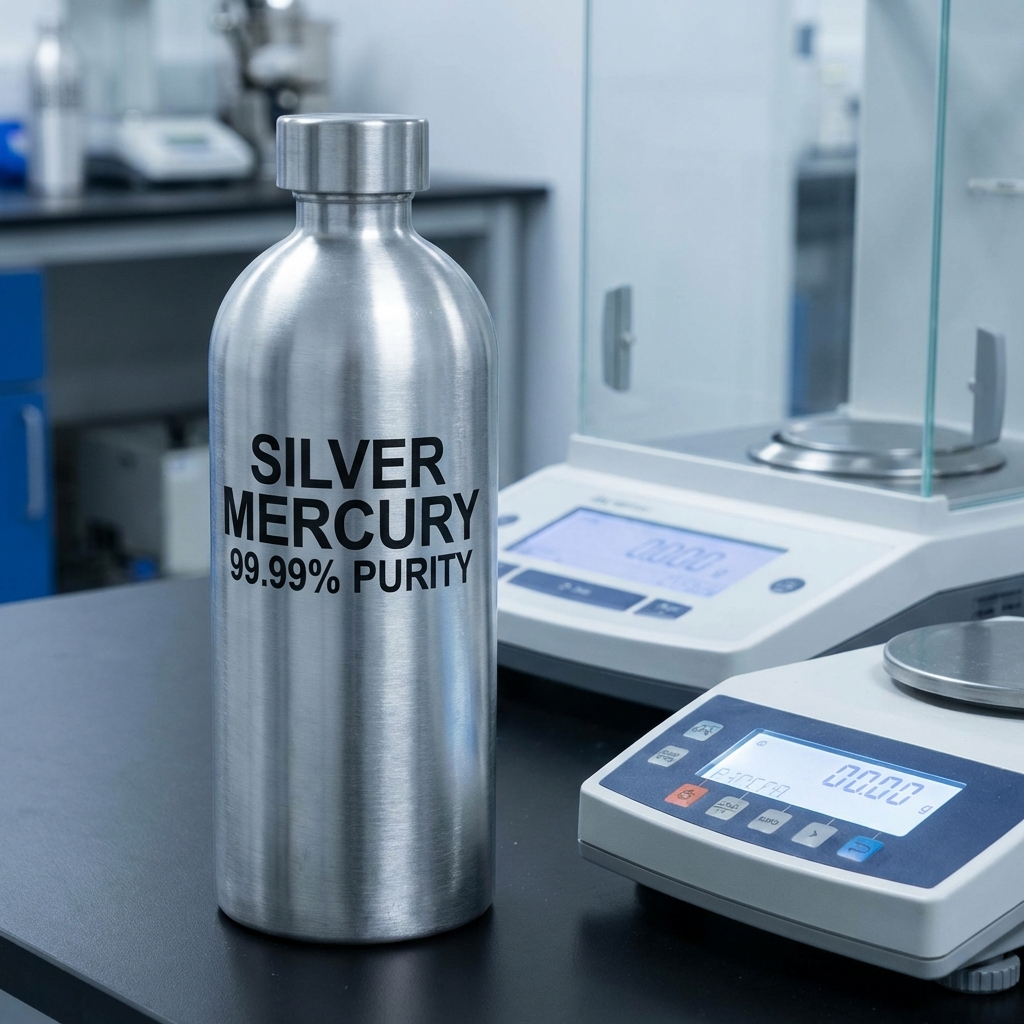
All About Mercury, the Liquid Metal | Element Series
Introduction
Mercury, symbolized as Hg and known commonly as quicksilver, is one of the most fascinating elements on the periodic table. As the only metallic element that is liquid at standard temperature and pressure (STP), mercury has captured the imagination of scientists, alchemists, and laypeople for centuries. This in-depth guide explores the history, chemical properties, industrial applications, health considerations, environmental impact, and the unique scientific allure of mercury. Spanning ancient civilizations to modern industry, this article covers every aspect of mercury, the enigmatic liquid metal.
Table of Contents
- Mercury at a Glance
- Historical Perspectives
- Physical and Chemical Properties
- Occurrence and Extraction
- Uses of Mercury
- Mercury Compounds
- Health and Safety Considerations
- Environmental Impact
- Mercury in Science, Art, and Culture
- The Future of Mercury
- Frequently Asked Questions (FAQ)
- Problems and Solutions with Mercury
- Conclusion
1. Mercury at a GlancePropertyValue/DescriptionNameMercurySymbolHgAtomic Number80Element CategoryTransition MetalStandard StateLiquid (at room temperature)AppearanceSilvery-white, reflective liquidDensity13.534 g/cm³ (at 20°C)Melting Point-38.83°CBoiling Point356.73°CDiscoveredKnown since ancient timesMain OreCinnabar (HgS)
2. Historical Perspectives
Mercury has been known and utilized for thousands of years. Its unique appearance and behavior set it apart from other metals, making it a subject of fascination and study.
Ancient Civilizations
- Egyptians used mercury in cosmetics and ointments.
- Chinese and Indian alchemists valued mercury for its supposed life-extending properties.
- Romans used it in gilding and as a pigment in the form of vermilion.
Alchemy and Mysticism
- Mercury was one of the seven metals of alchemy, representing the planet Mercury and the essence of liquidity and transformation.
- Alchemists believed it was a prime material from which all metals could be derived.
Modern Era
- By the 18th and 19th centuries, mercury’s scientific uses expanded rapidly, especially in thermometers, barometers, and scientific apparatus.
3. Physical and Chemical Properties
- Liquid at Room Temperature: Mercury’s most notable property.
- High Density: It is over 13 times denser than water.
- Electrical Conductivity: Mercury conducts electricity, though less efficiently than other metals.
- Poor Heat Conductor: Unlike most metals, mercury is a poor conductor of heat.
- Volatility: Mercury can easily evaporate at room temperature, releasing toxic vapor.
- Alloys (Amalgams): Mercury readily forms alloys with gold, silver, tin, and other metals.
- Chemical Reactivity: Resistant to corrosion but reacts with strong acids and oxidizing agents.
4. Occurrence and Extraction
Where Is Mercury Found?
- Mercury is rarely found free in nature.
- The primary ore is cinnabar (mercury(II) sulfide, HgS).
- Major deposits are found in Spain, Italy, China, and Kyrgyzstan.
Extraction Process
- Mining: Cinnabar is mined from natural deposits.
- Roasting: The ore is heated in the presence of oxygen, converting HgS to mercury vapor and sulfur dioxide.
- Condensation: Mercury vapor is cooled and condensed into liquid form.
5. Uses of Mercury
Mercury’s unusual properties make it valuable in a variety of applications, despite growing restrictions due to health concerns.
Industrial and Scientific Uses
- Thermometers and Barometers: Once the gold standard for measuring temperature and pressure.
- Electrical Switches and Relays: Mercury’s conductivity and liquid form made it ideal for silent switches.
- Fluorescent Lamps: Mercury vapor is essential to the operation of these lights.
- Batteries: Mercury cells were widely used in small batteries, now replaced by safer alternatives.
- Gold and Silver Mining: Mercury amalgamates with precious metals, aiding extraction (now largely banned due to toxicity).
Medical Uses
- Dental Amalgams: Mercury alloys with silver and other metals for dental fillings.
- Vaccines: Formerly used as a preservative (thimerosal), now much less common.
Other Uses
- Pigments: Vermilion (HgS) has been used in art for centuries.
- Mirrors and Gilding: Mercury was used to apply gold to objects and in the creation of mirrors.
6. Mercury Compounds
Mercury forms numerous compounds with unique properties and uses.Compound NameFormulaUseMercury(II) oxideHgOBatteries, chemical reagentMercury(II) chlorideHgCl₂Antiseptic (historical), chemical synthesisMercury(II) sulfideHgSPigment (vermilion), ore of mercuryThimerosalC₉H₉HgNaO₂SVaccine preservative (historical)
7. Health and Safety Considerations
Mercury exposure is a serious health concern. Its toxicity depends on the chemical form and route of exposure.
Toxicity
- Elemental mercury: Inhalation of vapor is highly toxic, affecting the nervous system.
- Inorganic mercury compounds: Can be absorbed through the skin or ingested, damaging kidneys and other organs.
- Organic mercury (methylmercury): Extremely hazardous, bioaccumulates in the food chain, especially in fish.
Symptoms of Mercury Poisoning
- Tremors
- Memory loss
- Mood swings
- Muscle weakness
- Impaired motor and cognitive function
Safety Practices
- Avoid direct contact and inhalation of vapors.
- Use proper ventilation and personal protective equipment (PPE).
- Clean up spills with mercury-specific kits; never use a vacuum or broom.
8. Environmental Impact
Mercury is a persistent environmental pollutant.
Sources of Environmental Mercury
- Mining and industrial discharge
- Coal combustion
- Improper disposal of products (thermometers, lamps, batteries)
Bioaccumulation
- Mercury can transform into methylmercury in aquatic systems, accumulating in fish and moving up the food chain.
- Top predators, including humans, are at risk from mercury-contaminated seafood.
Environmental Regulation
- The Minamata Convention (2013): An international treaty to reduce mercury pollution and protect human health.
9. Mercury in Science, Art, and Culture
Science and Technology
- Used in early barometers, thermometers, and vacuum pumps.
- Mercury arc rectifiers for converting AC to DC current.
- Ongoing research into quantum effects and its role in superconductivity.
Art and Symbolism
- Vermilion pigment was prized in Renaissance and Asian art.
- Mercury symbolized transformation and mystery in alchemy.
Literature and Pop Culture
- Featured in works such as Lewis Carroll’s “Mad Hatter” (linked to mercury poisoning in hat making).
- Often used as a symbol of speed, change, and elusiveness.
10. The Future of Mercury
- Declining Use: Safer alternatives are replacing mercury in most applications.
- Remediation Efforts: Cleanup of contaminated sites and stricter regulations are underway globally.
- Ongoing Research: Understanding mercury’s effects on health and the environment remains a key area of study.
11. Frequently Asked Questions (FAQ)
Q: Why is mercury liquid at room temperature?
A: Mercury’s electron configuration weakens the metallic bonds that typically hold metals together in the solid state, resulting in a liquid at room temperature.
Q: Can mercury freeze or boil?
A: Yes. Mercury freezes at -38.83°C and boils at 356.73°C.
Q: Is it safe to have mercury thermometers at home?
A: Due to the risk of spills and vapor exposure, digital thermometers are recommended.
Q: How is mercury poisoning treated?
A: Chelation therapy is used to bind and remove mercury from the body, but prevention is best.
Q: Can mercury be destroyed or neutralized?
A: Mercury cannot be destroyed, but it can be contained and stabilized to prevent environmental release.
12. Problems and Solutions with MercuryProblemSolutionToxic exposure riskPhase out use, PPE, and proper handling/trainingEnvironmental contaminationRemediation, Minamata Convention, safe disposal methodsMercury in fishConsumption advisories, pollution controlIndustrial legacy sitesCleanup initiatives and site monitoringThermometer and lamp wasteSafe recycling and disposal programs
13. Conclusion
Mercury, the liquid metal, is a scientific marvel with a rich history and a complex legacy. While its fascinating properties have led to myriad uses, growing awareness of its toxicity has prompted global efforts to restrict its use and mitigate its environmental impact. Today, mercury stands as a symbol of both scientific curiosity and the responsibility to balance technological advancement with health and environmental stewardship.
From the ancient alchemists to modern scientists, mercury continues to intrigue—reminding us of the wonder and the caution required in our relationship with the elements.
Table of contents
- Introduction
- Table of Contents
- 1. Mercury at a GlancePropertyValue/DescriptionNameMercurySymbolHgAtomic Number80Element CategoryTransition MetalStandard StateLiquid (at room temperature)AppearanceSilvery-white, reflective liquidDensity13.534 g/cm³ (at 20°C)Melting Point-38.83°CBoiling Point356.73°CDiscoveredKnown since ancient timesMain OreCinnabar (HgS)
- 2. Historical Perspectives
- 3. Physical and Chemical Properties
- 4. Occurrence and Extraction
- 5. Uses of Mercury
- 6. Mercury Compounds
- 7. Health and Safety Considerations
- 8. Environmental Impact
- 9. Mercury in Science, Art, and Culture
- 10. The Future of Mercury
- 11. Frequently Asked Questions (FAQ)
- 12. Problems and Solutions with MercuryProblemSolutionToxic exposure riskPhase out use, PPE, and proper handling/trainingEnvironmental contaminationRemediation, Minamata Convention, safe disposal methodsMercury in fishConsumption advisories, pollution controlIndustrial legacy sitesCleanup initiatives and site monitoringThermometer and lamp wasteSafe recycling and disposal programs
- 13. Conclusion