 +27 (0) 83 279 8073 | 021 569 5044 (Faster Response)
  info@brandchemicalsupplies.co.za
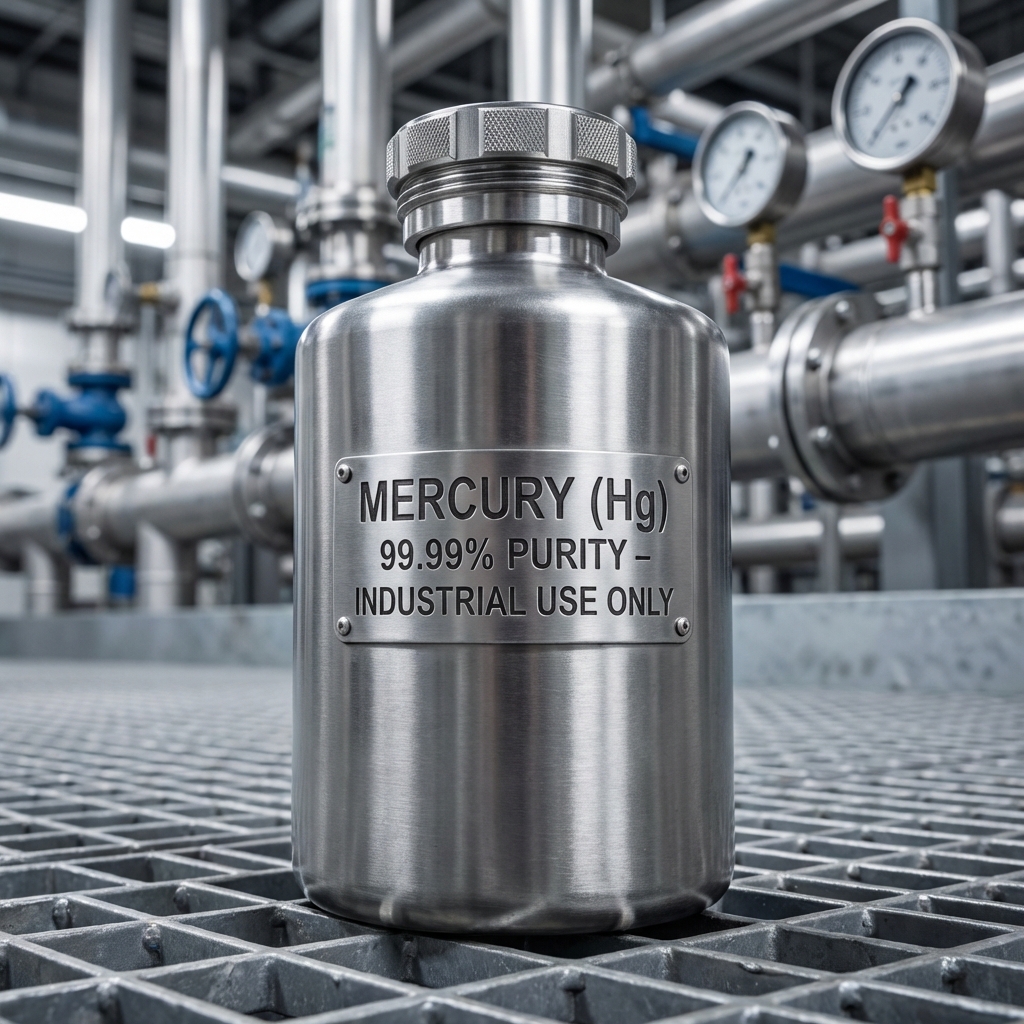
Global Supply and Demand for Mercury: Market Analysis and Trends
Mercury, a liquid metal with unique chemical properties, remains a topic of interest in industrial, scientific, and environmental circles. Understanding the global supply and demand for mercury is crucial for market participants, policymakers, and environmental advocates. This article provides a comprehensive analysis of the current landscape, historical context, and future outlook of the mercury market.
Overview of Global Mercury Supply
Mercury is primarily sourced from:
- Primary Mining: Historically, countries like Spain (Almadén mines), China, and Kyrgyzstan have been the leading producers. However, primary mercury mining has significantly declined due to environmental concerns and regulatory restrictions.
- Byproduct Recovery: Mercury is often recovered as a byproduct of mining and refining nonferrous metals, such as zinc, gold, and copper. This method has become the dominant source of new mercury entering the market.
- Recycling: Secondary recovery from recycled products (thermometers, fluorescent lamps, batteries) contributes a growing share of global supply, reflecting increasing emphasis on sustainability.
- Stockpiles and Government Reserves: Some countries maintain mercury stockpiles, which can be released to the market during supply shortages.
Global Demand for Mercury
Mercury demand has shifted dramatically in recent decades due to health and environmental regulations. Major demand sources include:
- Artisanal and Small-Scale Gold Mining (ASGM): The largest single use of mercury globally. ASGM accounts for up to 40% of annual mercury consumption, especially in developing regions like Africa, Asia, and South America.
- Industrial Uses: Mercury is still used in some chemical manufacturing (chlor-alkali production), lighting (fluorescent lamps), and dental amalgams, although these uses are declining.
- Scientific and Medical Applications: Limited demand persists in research, calibration instruments, and niche medical devices.
Market Trends and Influencing Factors
- Regulatory Pressure: International agreements, notably the Minamata Convention on Mercury (2013), are driving a global phase-down of mercury production and use. This has led to shrinking legal supply and demand.
- Illegal Trade: Despite restrictions, illicit mercury trading persists, particularly to supply ASGM. This complicates accurate market assessments and can cause price volatility.
- Technological Advancements: The adoption of mercury-free alternatives (LED lighting, digital thermometers, alternative dental materials) continues to reduce global demand.
- Supply Chain Disruptions: Closure of major mines, export bans, and political instability in producing countries can temporarily affect supply.
Recent Data and Regional Highlights
- Asia: China remains a key player in mercury supply, both through byproduct recovery and recycling. ASGM is also highly active in Southeast Asia.
- Africa and South America: These regions are hubs for ASGM, driving high mercury demand despite international reduction efforts.
- Europe and North America: Mercury use is largely limited to recycling and legacy industrial applications, with strict regulations sharply curtailing demand.
Future Outlook
Global mercury supply and demand are projected to continue declining as more countries implement stricter regulations and shift to alternative technologies. However, ongoing ASGM activity and black-market trade may sustain a baseline level of demand for the foreseeable future.
Conclusion
The global mercury market is in a period of contraction, shaped by regulatory initiatives, technological progress, and the persistence of certain industrial and mining practices. Ongoing monitoring of supply and demand dynamics is essential for stakeholders aiming to navigate this evolving landscape.
mercury global supply, mercury demand trends, mercury market analysis, mercury production statistics, artisanal gold mining mercury, mercury recycling, mercury byproduct recovery, Minamata Convention effects, mercury trade regulations, mercury industry outlook.