 +27 (0) 83 279 8073 | 021 569 5044 (Faster Response)
  info@brandchemicalsupplies.co.za
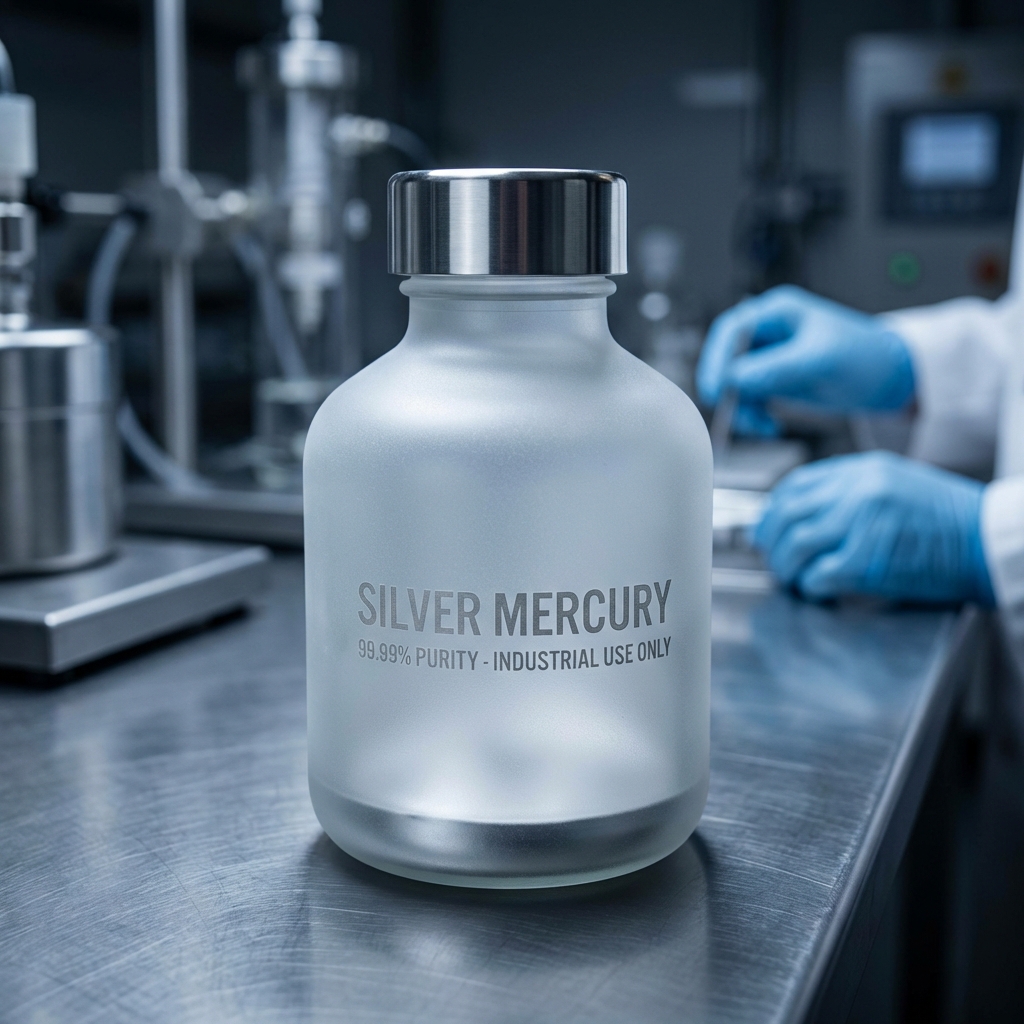
Mercury Amalgamation in South Africa (2026): The Complete Guide
Introduction
Mercury amalgamation remains a significant technique in small-scale and artisanal gold mining worldwide. In South Africa, the process, its implications, and its legal status are of growing interest as the country balances economic opportunity with environmental and public health concerns. This article offers a detailed, SEO-optimized overview of mercury amalgamation in South Africa as of 2026, including its uses, risks, regulations, and safer alternatives.
What is Mercury Amalgamation?
Mercury amalgamation is a chemical process used to extract gold from ore. Elemental mercury binds to gold, forming an amalgam, which can then be heated to evaporate the mercury and leave behind purified gold. This method is popular among small-scale miners due to its simplicity, affordability, and effectiveness—even with low-grade ores.
Key Steps in Mercury Amalgamation:
- Mercury is mixed with crushed gold ore.
- Mercury binds with gold to form a gold-mercury amalgam.
- The amalgam is separated from the ore.
- The amalgam is heated, evaporating the mercury and leaving pure gold.
Mercury Amalgamation in South Africa: Context and Uses
Artisanal and Small-Scale Gold Mining (ASGM)
- Widespread Practice: Mercury amalgamation is the most common gold extraction method in South African small-scale mining.
- Accessibility: The process requires minimal technical knowledge and equipment, making it accessible in rural and resource-limited communities.
- Economic Importance: ASGM provides livelihoods for thousands but often operates outside formal regulatory frameworks.
Industrial Use
While large-scale gold mines have moved to cyanidation and other advanced techniques, some industrial operations may still use mercury amalgamation for specific applications or legacy processes.
Legal and Regulatory Status in South Africa (2026)
Mercury Control Laws
- Minamata Convention: South Africa is a signatory, committing to reduce and, where possible, eliminate mercury use in mining.
- National Regulations: Strict controls exist on the import, sale, and use of mercury. Handling and trade require special permits and documentation.
- ASGM Focus: The government has increased enforcement and education efforts targeting illegal mercury use in informal gold mining.
Penalties
- Illegal possession, use, or disposal of mercury can result in heavy fines, confiscation of equipment, and even imprisonment.
- Licensed mercury suppliers are required to maintain transaction records and verify the credentials of buyers.
Environmental and Health Impacts
Environmental Risks
- Water Contamination: Mercury released during amalgamation often ends up in rivers and wetlands, threatening aquatic life and bioaccumulating in food chains.
- Soil Pollution: Mercury can persist in soils, affecting agriculture and biodiversity.
Human Health Risks
- Vapor Inhalation: Heating mercury-gold amalgam releases highly toxic mercury vapor, leading to neurological and organ damage.
- Direct Contact: Skin exposure and accidental ingestion can cause mercury poisoning.
- Community Impact: Mercury pollution can affect entire communities, especially children and pregnant women.
Safer Alternatives to Mercury Amalgamation
The push for safer, more sustainable gold extraction methods in South Africa is strong in 2026. Alternatives include:
- Gravity Concentration: Uses water and shaking tables to separate gold without chemicals.
- Direct Smelting: Gold ore is smelted directly, eliminating the need for mercury.
- Cyanidation: Common in industrial-scale mining but requires careful management due to its own environmental risks.
- Borax Method: A non-toxic technique adopted in some artisanal mining communities.
Government and NGO Support
- Training programs teach miners about mercury-free techniques.
- Access to funding and equipment for safer extraction methods is expanding.
Mercury Amalgamation: Problems and Solutions in South Africa
Problems
- Widespread Illegal Use: Despite regulations, illegal mercury use persists in remote regions.
- Lack of Awareness: Many miners are unaware of the health risks or legal consequences.
- Limited Access to Alternatives: Some communities lack resources to adopt safer methods.
Solutions
- Education Campaigns: NGOs and government agencies provide training on mercury risks and alternatives.
- Enforcement: Stricter control of mercury sales and distribution.
- Support Systems: Subsidies and technical support for mercury-free mining technologies.
Buying Mercury in South Africa: Legal Considerations
Mercury is a controlled substance.
To legally buy or use mercury in South Africa, you must:
- Obtain the necessary permits or licenses from regulatory authorities.
- Purchase only from reputable, licensed suppliers.
- Maintain detailed records of all transactions and usage.
Trusted Supplier Highlight: Brand Chemical Supplies
Brand Chemical Supplies is a reputable provider of high-purity mercury, compliant with all South African regulations. They offer:
- Permits and documentation support for legal buyers
- Safety data sheets and handling guidelines
- Secure, traceable delivery
- Customer service for compliance and technical questions
Never purchase mercury from unlicensed or informal sources. Illegal trade is punishable and dangerous.
Frequently Asked Questions (FAQ)
Q: Is mercury amalgamation legal in South Africa in 2026?
A: Only under strict regulatory framework and licensing. Unlicensed mercury use, especially in informal mining, is illegal and heavily penalized.
Q: What are the dangers of using mercury for gold extraction?
A: Mercury causes severe health problems and environmental pollution. Vapor inhalation during amalgam heating is especially dangerous.
Q: What alternatives exist for gold extraction?
A: Gravity separation, direct smelting, and the borax method are safer and increasingly promoted in South Africa.
Q: Can I buy mercury as an individual miner?
A: Only if you have the appropriate permits and comply with all regulations. Always buy from licensed suppliers.
Q: What should I do with mercury waste?
A: Mercury waste must be collected and disposed of by licensed hazardous waste contractors, never dumped or burned.
Conclusion
Mercury amalgamation remains a reality in South Africa’s small-scale gold mining sector in 2026, but the tide is turning toward safer, more sustainable practices. Strict regulations, increased enforcement, and the promotion of alternatives are helping to reduce the country’s reliance on mercury and protect people and the environment.
If you require mercury for legal, licensed use, always source it through reputable suppliers like Brand Chemical Supplies. For those in gold mining, consider adopting mercury-free techniques for a safer, healthier future.
This article is for informational purposes only. Always consult South African regulatory authorities and safety professionals for current legal and technical guidance regarding mercury use and amalgamation.