 +27 (0) 83 279 8073 | 021 569 5044 (Faster Response)
  info@brandchemicalsupplies.co.za
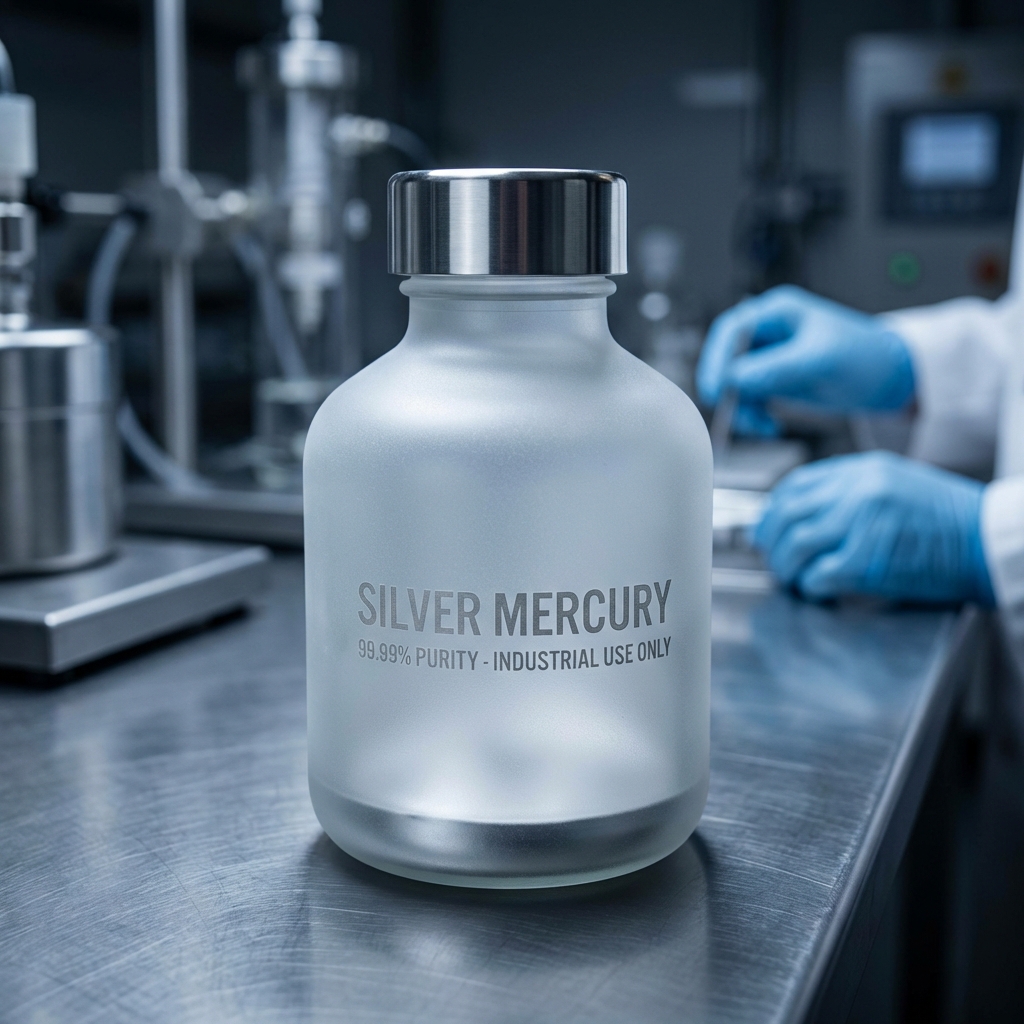
Emissions of Mercury into the Air | Sources, Environmental Impact & Control
What Are Mercury Emissions?
Mercury emissions refer to the release of mercury (Hg), a highly toxic heavy metal, into the atmosphere in elemental, inorganic, or organic forms. Once airborne, mercury can travel vast distances before depositing into soil and water, where it poses serious environmental and health risks.
Major Sources of Mercury Emissions into the Air
- Coal-Fired Power Plants
- Burning coal for electricity is the largest global source of anthropogenic (human-caused) mercury emissions.
- Mercury present in coal is released into the atmosphere during combustion.
- Industrial Processes
- Non-ferrous metal production (e.g., smelting of zinc, lead, copper)
- Cement manufacturing (from raw materials and fuels)
- Waste incineration (municipal, medical, and hazardous waste)
- Artisanal and Small-Scale Gold Mining (ASGM)
- Mercury is used to extract gold from ore, releasing large amounts of mercury vapor.
- Natural Sources
- Volcanic eruptions, forest fires, and weathering of mercury-containing rocks also emit mercury naturally.
- Product Use and Disposal
- Release from broken thermometers, fluorescent bulbs, batteries, electrical switches, and dental amalgams.
Environmental and Health Impact
- Atmospheric Transport:
Mercury released into the air can circulate globally, crossing continents and oceans before depositing far from its original source. - Deposition and Bioaccumulation:
After falling to earth, mercury can convert to methylmercury in water bodies—a form that bioaccumulates in fish and enters the food chain. - Health Effects:
- Neurological damage, especially in developing fetuses and young children
- Cardiovascular, immune, and reproductive system impairment
- High exposures can cause kidney failure, respiratory distress, and death
- Ecosystem Effects:
Mercury pollution can devastate aquatic and terrestrial ecosystems, harming fish, birds, and mammals.
Mercury Emissions in South Africa
South Africa’s main contributors to atmospheric mercury emissions are:
- Coal-fired power generation (the country’s primary energy source)
- Gold and other metal mining
- Industrial manufacturing and waste incineration
Regulations are in place to monitor, report, and reduce mercury emissions in accordance with international agreements such as the Minamata Convention on Mercury.
Strategies for Reducing Mercury Emissions
- Cleaner Energy:
Transitioning from coal to renewable energy sources. - Emission Control Technology:
Installing scrubbers, filters, and activated carbon injection systems at power plants and industrial facilities. - Safe Waste Management:
Proper disposal and recycling of mercury-containing products to prevent atmospheric release. - Regulation and Enforcement:
Stricter emissions standards and enforcement through environmental agencies. - Public Awareness and Education:
Informing individuals and industries about the risks and safe handling of mercury.
Brand Chemical Supplies and Mercury Responsibility
At Brand Chemical Supplies, we are committed to:
- Supplying mercury compounds only to licensed, compliant users
- Providing full guidance on safe handling, storage, and disposal
- Supporting clients in meeting environmental and regulatory standards
- Promoting best practices for mercury management in South Africa’s laboratories and industries
Frequently Asked Questions
Q: How does mercury get into the air?
A: Through burning coal, industrial processes, mining, waste incineration, and natural events.
Q: Why is mercury dangerous in the air?
A: Airborne mercury can travel long distances, deposit in water and soil, and enter the food chain as toxic methylmercury.
Q: What is being done to reduce mercury emissions?
A: Governments and industries are adopting emission controls, cleaner energy, better waste management, and stricter regulations.
For compliant supply and technical support in mercury management, contact Brand Chemical Supplies—your trusted partner in chemical safety and environmental responsibility.