 +27 (0) 83 279 8073 | 021 569 5044 (Faster Response)
  info@brandchemicalsupplies.co.za
What is Mercuric Chloride? Chemical Properties and Grade
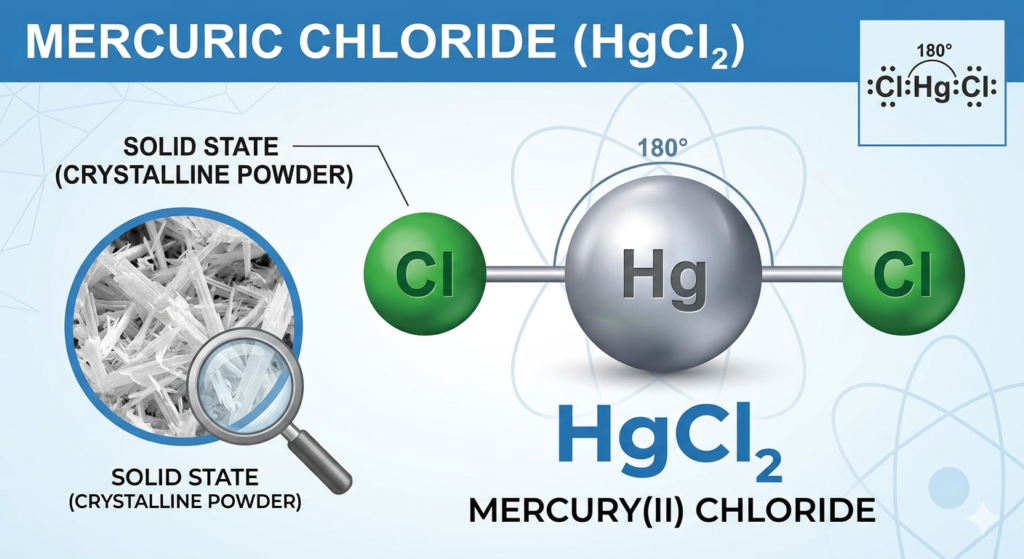
Mercuric chloride (HgCl₂) is a white, crystalline substance highly soluble in water and organic solvents. The AR (Analytical Reagent) grade signifies the highest purity, demanded in laboratory and medical research environments where contamination can compromise results.
- Molecular Formula: HgCl₂
- Molar Mass: 271.50 g/mol
- Physical Form: White, odorless crystals
- Solubility: High in water, alcohol, ether
The AR-grade standard ensures trace contaminants are minimized, allowing for precise, reproducible results in sensitive research applications.
Historical Medical Uses of Mercuric Chloride
Mercuric chloride’s history in medicine dates to the 18th and 19th centuries, when its antimicrobial and preservative properties led to widespread adoption.
Antiseptic and Disinfectant
Mercuric chloride was utilized to cleanse wounds, disinfect surgical instruments, and sterilize medical facilities, playing a crucial role in infection control before antibiotics.
Syphilis Treatment
Before the advent of penicillin, mercuric chloride was a mainstay in the treatment of syphilis. However, its narrow therapeutic margin and severe toxicity led to serious side effects and, ultimately, to its discontinuation as safer therapies emerged.
Biological Preservative
The compound was used to preserve anatomical specimens, vaccines, and biological tissues, thanks to its ability to prevent microbial decay.
Why Mercuric Chloride Is No Longer a Medical Therapy
Despite its historic value, mercuric chloride is now considered too toxic for direct medical use. Documented cases of mercury poisoning, kidney damage, and neurological effects prompted regulatory agencies to prohibit its use in human medicine. Today, mercuric chloride’s role is confined to research, diagnostics, and select laboratory procedures with strict safety oversight.
Modern Medical Research Applications of Mercuric Chloride
While direct therapeutic use is obsolete, mercuric chloride remains vital in several facets of medical research and laboratory science.
1. Histology and Pathology: The Gold Standard for Tissue Fixation
Mercuric chloride is a core ingredient in classic fixatives, such as Zenker’s and B-5 solutions. Its ability to cross-link proteins and preserve fine cellular detail makes it invaluable for:
- Routine histological staining
- Microscopic examination of tissue architecture
- Immunohistochemistry protocols
Benefits:
- Exceptional preservation of nuclear and cytoplasmic detail
- Reliable, high-quality tissue specimens for diagnostic and research purposes
Drawbacks:
- Mercury waste disposal challenges
- Health hazards to laboratory staff
2. Biochemistry and Enzyme Research
Mercuric chloride is used to:
- Precipitate proteins: Selective denaturation and precipitation facilitate isolation and analysis of specific protein fractions.
- Inhibit enzymes: As a strong inhibitor, it helps researchers investigate enzyme mechanisms and develop new pharmaceuticals.
- Analytical standard: Used as a benchmark for mercury detection in biological and pharmaceutical samples.
3. Microbiology: Selective Media and Antimicrobial Studies
- Selective media: Added to culture media to suppress unwanted microbes and isolate pathogens.
- Antimicrobial susceptibility testing: Enables the study of resistance mechanisms and the impact of heavy metals on microbial growth.
4. Pharmaceutical Quality Assurance
- Trace analysis: Ensures pharmaceutical products are free from mercury contamination, safeguarding patient health and regulatory compliance.
5. Toxicology and Environmental Health
- Mercury toxicity models: Used to study the effects of mercury exposure in laboratory animals, supporting the development of chelation therapies and public health guidelines.
Laboratory Safety and Handling Protocols
Given its hazards, mercuric chloride use in research is governed by rigorous protocols.
Personal Protective Equipment (PPE)
- Gloves (mercury-impermeable)
- Lab coats and gowns
- Eye protection
- Respiratory protection (when handling powders or vapors)
Engineering Controls
- Fume hoods for all manipulations
- Mercury spill kits and staff trained in their use
- Segregated chemical storage
Waste Management
- Hazardous waste labeling and collection
- Certified disposal via licensed waste handlers
- Regular environmental monitoring for contamination
Training and Documentation
- Accessible Safety Data Sheets (SDS)
- Ongoing staff training
- Compliance audits
Regulatory and Ethical Considerations
Regulations
Mercuric chloride is designated as a hazardous substance by:
- REACH (European Union)
- OSHA/EPA (United States)
- Minamata Convention (Global mercury reduction treaty)
Institutional Requirements
- Licensing and permits: For purchase, storage, and disposal
- Strict documentation: For audits and regulatory compliance
Ethical Responsibility
- Minimize use: Substitute less hazardous chemicals where possible
- Protect staff: Through best practices and regular training
- Safeguard the environment: By preventing mercury pollution
Case Studies: Mercuric Chloride in Advanced Medical Research
Case Study 1: Histology Laboratory
A major hospital pathology lab uses Zenker’s fixative for select tissues, citing unparalleled preservation of cellular detail essential for accurate diagnosis. The lab enforces strict safety and waste protocols and maintains compliance through regular audits.
Case Study 2: Pharmaceutical Quality Control
A pharmaceutical manufacturer utilizes mercuric chloride AR as a calibration standard for mercury trace analysis, ensuring medication safety and adherence to international regulatory standards.
Case Study 3: Toxicology Research
A university research center uses mercuric chloride to model mercury poisoning in animals, contributing to breakthroughs in chelation therapy and public health policy.
Advances and Alternatives in Laboratory Practice
Shift to Safer Substitutes
- Formalin has largely replaced mercury-based fixatives in tissue processing.
- Thimerosal-free vaccines are now the standard.
- Green chemistry initiatives aim to eliminate mercury wherever possible.
Enhanced Waste Handling
New technologies for mercury capture and remediation are reducing laboratory pollution and risk.
Frequently Asked Questions (FAQ)
Q: Is mercuric chloride still used in medical treatment?
A: No, its use is now limited to research and diagnostics due to toxicity.
Q: How dangerous is mercuric chloride in the lab?
A: It is highly toxic by inhalation, ingestion, or skin contact, requiring strict safety protocols.
Q: Can alternatives provide the same results as mercuric chloride?
A: In many cases, yes; however, some niche research applications still rely on its unique properties.
Q: Who can purchase mercuric chloride for research?
A: Only licensed institutions with regulatory approval.
Sourcing Mercuric Chloride AR for Medical Research
Only source AR-grade mercuric chloride from reputable suppliers that provide:
- Certificates of Analysis (COA)
- Safety Data Sheets (SDS)
- Regulatory and shipping compliance
Brand Chemical Supplies is a trusted provider of high-purity mercuric chloride for research purposes, offering global shipping and regulatory support.
Conclusion
Mercuric chloride’s evolution from a powerful medical agent to a controlled research tool reflects the progress of both modern medicine and laboratory safety. While its direct medical use is obsolete, its value in histology, analytical chemistry, and toxicology research endures under tight regulation. As science advances, the trend toward safer, greener alternatives continues, but the legacy of mercuric chloride in medical research remains significant.
merciric chloride medical research, AR grade mercuric chloride, histology fixative, medical laboratory safety, mercury toxicity, pharmaceutical analysis, mercury waste disposal, laboratory protocols, Brand Chemical Supplies, regulated chemical purchase, mercury in research, alternatives to mercuric chloride, environmental complianc
For certified AR-grade mercuric chloride, compliance support, or safe handling guidance, contact Brand Chemical Supplies or consult the latest Safety Data Sheet (SDS).