 +27 (0) 83 279 8073 | 021 569 5044 (Faster Response)
  info@brandchemicalsupplies.co.za
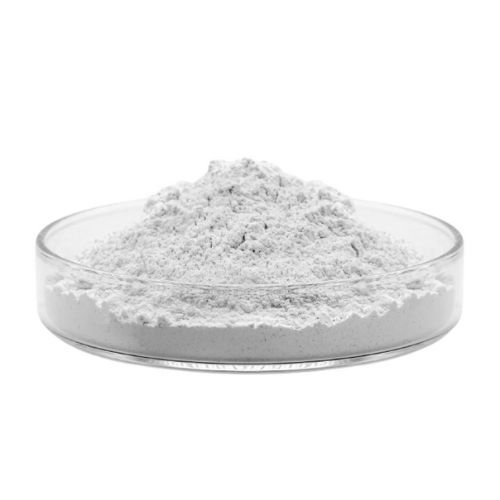
Mercuric Chloride Powder Granular 99.5% ACS Reagent: Complete Buyer’s Guide, Uses, Safety, and Best Practices
Brand Chemical Supplies
Introduction
Mercuric chloride, known for its chemical formula HgCl₂, is a compound of immense importance in scientific, industrial, and analytical sectors. When produced as powder or granular with 99.5% purity and certified as an ACS (American Chemical Society) reagent, it meets the most stringent standards for laboratory and industrial applications. This comprehensive guide will walk you through everything you need to know about Mercuric Chloride Powder Granular 99.5% ACS Reagent—from chemical properties and critical uses to buying tips, global sourcing, regulatory compliance, safe handling, and environmental best practices. Whether you are a researcher, procurement specialist, or laboratory manager, this article will serve as your definitive reference for mercuric chloride.
Section 1: What Is Mercuric Chloride Powder Granular 99.5% ACS Reagent?
Chemical Identity and Grades
Mercuric chloride (HgCl₂) is a white, odorless crystalline substance, available as powder or granular. The 99.5% purity designation means that the product contains at least 995 grams of HgCl₂ per 1,000 grams, with only trace impurities. The ACS Reagent grade indicates compliance with the American Chemical Society’s standards, ensuring suitability for analytical, research, and industrial purposes.
Key Data:
- Chemical Formula: HgCl₂
- Molecular Weight: 271.50 g/mol
- Appearance: White powder or granules
- Solubility: Soluble in water (7g/100mL at 20°C), ethanol, ether
- Melting Point: 277°C (530°F)
- Boiling Point: Sublimes at 302°C (575.6°F)
- Purity: ≥99.5% (ACS grade)
Types of Mercuric Chloride Forms
- Powder: Finely ground for rapid dissolution and uniform mixing in solutions.
- Granular: Larger particles, less prone to airborne dust, easier to handle in bulk.
Section 2: Applications and Uses of Mercuric Chloride 99.5% ACS Reagent
1. Analytical Chemistry
- Reference Standard: Used to prepare standard solutions for titrations and trace analysis.
- Analytical Reagent: Essential for chloride ion determination, mercury analysis, and other wet chemistry assays.
- Indicator and Precipitant: Useful in gravimetric analyses and precipitation reactions.
2. Laboratory Research
- Protein Precipitation: Utilized for selective precipitation and purification of proteins.
- Enzyme Inhibition Studies: Acts as a potent inhibitor in biochemical assays.
- Histology and Pathology: Component of classic fixatives (e.g., Zenker’s solution) for tissue preservation.
3. Industrial Applications
- Organic Synthesis: Employed as a catalyst and chlorinating agent in specialty chemical production.
- Electronics & Metallurgy: Involved in the manufacture of electrical components, switches, and as a reagent in metal refining.
- Wood Preservation: Historically used to protect timber from rot and pests (now phased out in many regions due to toxicity concerns).
4. Environmental Science
- Mercury Calibration Standards: For water, soil, and air analysis in environmental monitoring.
- Pollution Studies: Used to simulate mercury contamination and develop remediation strategies.
5. Pharmaceutical and Quality Control
- Trace Analysis: Ensures products are free from mercury contamination.
- Intermediate: In the synthesis of specialty pharmaceuticals and reagents.
Section 3: How to Buy Mercuric Chloride Powder Granular 99.5% ACS Reagent
Step 1: Identify Certified Suppliers
- ISO Certification: Choose suppliers with internationally recognized quality standards.
- ACS Compliant: Ensure product labeling and documentation confirm ACS Reagent grade and 99.5% purity.
- Batch-Specific Documentation: Require Certificates of Analysis (COA) and Safety Data Sheets (SDS).
Step 2: Regulatory and Legal Requirements
- Permits: Many countries require permits for purchase, use, and transport due to toxicity.
- End-User Declarations: Suppliers may request declarations to comply with regulatory controls on mercury compounds.
- Customs Documentation: For imports/exports, ensure all paperwork is in order.
Step 3: Request Quotes and Compare Prices
- Global Price Range (2026): $350–$700 USD per 500g to 1kg, depending on region, purity, and supplier.
- Bulk Orders: Negotiate discounts for large or recurring purchases.
- Shipping Costs: Factor in hazardous materials surcharges and insurance.
Step 4: Place Order and Arrange Delivery
- Use institutional purchase orders or secure payment methods.
- Confirm that your supplier uses compliant packaging and licensed couriers for hazardous goods.
Step 5: Receive, Inspect, and Store
- Inspect packaging for damage and verify labeling.
- Store according to SDS guidelines in a secure, ventilated chemical cabinet.
Section 4: Safe Handling, Storage, and Disposal
Safe Storage
- Container: Store in original, tightly sealed bottles.
- Location: Cool, dry, secure chemical cabinet with mercury hazard signage.
- Access: Restrict to trained staff only.
Handling Protocols
- Personal Protective Equipment (PPE): Nitrile gloves, lab coat, goggles, and mask/respirator if risk of dust.
- Ventilation: Work in a fume hood or well-ventilated area.
- Minimize Dust: Handle granular forms or dampen powder to reduce airborne risk.
Emergency Procedures
- Spill Response: Use a mercury spill kit. Evacuate area if necessary. Decontaminate surfaces thoroughly.
- Exposure: In case of contact or inhalation, seek medical attention immediately.
- First Aid: Remove contaminated clothing, wash skin, and flush eyes with water.
Waste Management
- Label and Segregate: Collect all mercury waste in labeled, leak-proof containers.
- Disposal: Use licensed hazardous waste contractors; do not dispose of in drains or general waste.
- Record-Keeping: Maintain logs for compliance audits.
Section 5: Regulatory Compliance and Environmental Impact
International Frameworks
- Minamata Convention: Global treaty to reduce mercury emissions and trade.
- OSHA/EPA (US), REACH (EU): Strict controls on handling, exposure, and disposal.
National Regulations
- Permits and Tracking: National laws often require tracking of all mercury compounds.
- Workplace Safety: Training, documentation, and audits mandatory for hazardous chemicals.
Environmental Considerations
- Bioaccumulation: Mercury compounds are persistent and can accumulate in food chains.
- Remediation: Labs must implement spill prevention and rapid response plans.
- Alternatives: Use greener substitutes where possible, especially in teaching labs.
Section 6: Brand Chemical Supplies—Your Trusted Source
Brand Chemical Supplies is a global leader in the supply of high-purity chemicals, including mercuric chloride powder granular 99.5% ACS Reagent.
Why Choose Us?
- Certified ACS Reagent grade with full COA and SDS
- Competitive pricing and bulk order support
- Fast, secure delivery worldwide
- Expert regulatory and technical assistance
- Trusted by universities, industry, and research institutes
Section 7: Frequently Asked Questions (FAQ)
Q: Who can purchase mercuric chloride powder granular 99.5% ACS Reagent?
A: Only licensed institutions, labs, and companies with proper regulatory compliance.
Q: Can I use this grade for trace analysis?
A: Yes, ACS Reagent grade is suitable for ultra-sensitive analytical and research work.
Q: Is it safe to store mercuric chloride at room temperature?
A: Yes, if kept in a secure, cool, dry place away from incompatibles and unauthorized personnel.
Q: What do I do if I spill mercuric chloride?
A: Evacuate, use a mercury spill kit, and follow your institution’s hazardous spill protocol.
Q: Is granular form safer than powder?
A: Granular is generally less prone to dust and easier to handle in bulk, but both require strict safety measures.
Section 8: Advanced Applications and Industry Trends
Analytical Chemistry
- ICP-MS, AAS Calibration: Used as a standard for mercury detection in environmental and food samples.
- Custom Standards: Preparation of bespoke solutions for trace analysis.
Research and Development
- Pharmaceutical Synthesis: Intermediate in the creation of certain specialty drugs.
- Biochemical Research: Investigating enzyme inhibition, protein folding, and more.
Electronics and Industry
- Switches, Sensors: Utilized in precision electrical components.
- Catalysis: In chemical manufacturing processes.
Environmental Science
- Pollution Modeling: Simulating mercury contamination in controlled settings.
- Remediation Research: Testing new techniques for mercury removal.
Sustainability and the Future
- Green Chemistry Initiatives: Pressure to minimize mercury use in favor of environmentally friendly alternatives.
- Stricter Regulation: Expect even tighter controls and documentation requirements worldwide.
Section 9: Buyer’s Checklist
- Verify Grade: Insist on ACS Reagent, 99.5%+ purity, and batch-specific COA/SDS.
- Check Supplier Credentials: ISO and regulatory certifications.
- Prepare Documentation: All permits and end-user declarations.
- Order Safely: Use institutional POs and approved payment methods.
- Audit Regularly: Ensure storage, use, and disposal are always compliant.
Section 10: Sample Case Study
A multinational environmental testing firm needed mercuric chloride powder granular 99.5% ACS Reagent for water quality analysis across multiple countries. Brand Chemical Supplies provided:
- Global shipping from multiple warehouses
- Tailored documentation for each jurisdiction
- On-site safety training and consultation
- Waste management partnership for hazardous disposal
Result: The firm met regulatory standards, improved safety, and enhanced analytical reliability.
Conclusion
Mercuric chloride powder granular 99.5% ACS Reagent remains a cornerstone of advanced science, industry, and environmental work. Its high purity, reliability, and versatility make it essential for analysts, researchers, and manufacturers. However, its hazardous nature and regulatory complexity demand sourcing from trusted suppliers, rigorous documentation, and best-in-class safety protocols.
Brand Chemical Supplies is your partner for certified mercuric chloride ACS Reagent—delivering quality, expertise, and compliance wherever you operate.
merciric chloride powder granular 99.5% ACS reagent, buy mercuric chloride ACS, analytical reagent mercury compound, laboratory chemical supplier, hazardous chemical procurement, SDS COA mercuric chloride, Brand Chemical Supplies, mercury chemical regulations, mercury waste disposal, environmental compliance, certified mercury compound, best practices handling mercuric chloride, ACS grade mercury chloride, mercury calibration standard
For certified ACS Reagent mercuric chloride, documentation, or compliance support, contact Brand Chemical Supplies or request a quote through our website.